Enter a keyword below to search for articles and products.
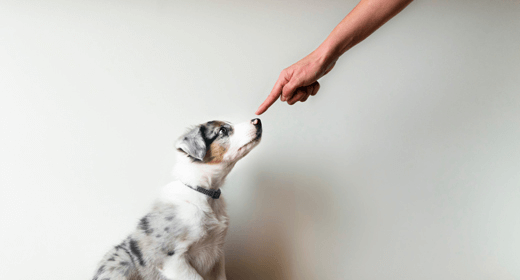
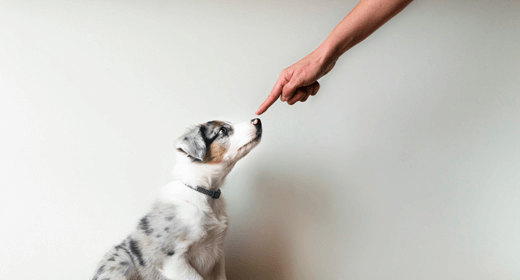
A new puppy is wonderful in pretty much every way, at least until they start having accidents around your apartment or house. But do not fear, Expert Pet Trainer Kathy Santo has all the answers. Watch as she takes you through the basics on everything from establishing a routine to rewarding your puppy when they eliminate outdoors.
House training your puppy requires more than a stack of old newspapers. It calls for patience, commitment, and above all, consistency. Hi, I'm Kathy Santo with IAMS, and today we're going to talk about how to house train your puppy. A trusting and consistent relationship is fundamental to successful house trading. The more consistent you are, the faster your puppy will learn. House training a puppy can take several weeks, and sometimes longer with smaller breeds. The first step to house training your puppy is to establish a routine. Puppies do best on a regular schedule, because it teaches them that there are times to eat, times to play, and times to potty. As a general rule, a puppy can control his bladder about an hour for every month of age. So if your puppy is only three months old, he can probably only hold it for about three hours, if not less. Make sure to take him right out after he wakes up, during and after play time, and after eating or drinking, because these are times he'd most likely to have to go. If you work, and are unable to take your puppy outside as often as needed, you could hire a dog walker to give your puppy his necessary breaks. I recommend picking a specific bathroom spot outside, and always taking him there first when he's on a leash. While your puppy is going, say something like, 'go potty,' so that you can eventually use that phrase to remind him what to do. You should take him out for a walk or play time after he's gone potty, or he might just learn to hold it to keep you outside. Reward your puppy every time he goes potty outdoors with praise or a treat, but make sure to do so immediately, before he goes back into the house. Rewarding correct behavior is the best way to teach your puppy. Be careful not to reward your puppy until he's completely finished, or he may forget to finish up outside, and then have an accident inside. And remember, what goes into a puppy on a schedule comes out of a puppy on a schedule. So always take your puppy out after feeding. Try picking up your puppy's water dish about two and a half hours before bedtime, so he won't have as much water to try and hold overnight. If you keep a consistent schedule, your puppy could be house trained by the time he's five to six months old. But don't be discouraged if it takes your puppy longer, or has an occasional accident. Many factors, including breed of dog, consistency, and temperament can contribute to a longer training period. If you feel that there's little to no progress, consult with your veterinarian to be sure that a medical issue, such as a bladder infection, isn't the culprit. Supervision in the beginning is critical. Exercise pens are extremely helpful while house training. Keeping your puppy in a small space within eyesight will allow you to notice and react when they start showing the signs of needing to eliminate. Those signs can be barking, scratching at the door, squatting, sniffing, or circling. If you're unable to monitor your puppy, you can confine him to an area small enough so that he won't want to eliminate there. A space just large enough for him to lay down with a couple extra inches is just fine. Many people choose to combine with a crate, which can be very helpful for house training your young dog. For more information on crate training, watch 'How To Crate Train Your Puppy.' I'm Kathy Santo with IAMS, and I hope that you found this helpful as you welcome your new addition to your family.


One essential component often overlooked in dogs’ diets is Vitamin C, a vital nutrient that plays a crucial role in their overall well-being. Understanding the benefits and proper dosage of Vitamin C for dogs can significantly contribute to their immune system, joint health, and overall vitality. In this blog, we will delve into the importance of incorporating Vitamin C into your canine companion's diet and how it can positively impact its long-term health and happiness.
Vitamin C, commonly known as ascorbic acid, is a vital nutrient that acts as the body's all-round defender and repair agent. This water-soluble superhero does wonders, promoting healthy bones, aiding in wound healing, and giving the immune system the strength, it needs to ward off pesky infections. Imagine it as the secret ingredient in the recipe for a robust and thriving body. It is abundantly present in a variety of tasty treats like juicy oranges, tangy strawberries, and vibrant bell peppers, making it a delicious and essential part of a well-balanced diet.
While our furry friends have the ability to produce their own vitamin C, there are times when they could use a little of this nutrient. Whether they are feeling a bit under the weather, entering their golden years, or experiencing significant life changes, a dash of vitamin C can provide the boost they need.
But when on the journey of learning if vitamin C is good for dogs, remember that like any good thing, too much can sometimes lead to an upset tummy or unwanted interactions with their medications. So, before you start loading up their bowls with citrus delights, it is always wise to have a chat with your trusted vet. With the right guidance, vitamin C can be the ultimate sidekick in your dog's quest for a vibrant and happy life.
Vitamin C is not just for humans; it can work wonders for our canine companions too. Vitamin C benefits for dogs range from bolstering their immune system to aiding in injury recovery. This superhero nutrient has a range of benefits that can significantly improve a dog's overall well-being in the following ways:
Research into the effects of vitamin C supplementation in canines suggests potential benefits worth considering:
However, while the scientific data presents promising insights, the application of vitamin C in canine diets should be approached with caution. Individual variations in metabolism and health conditions may influence the efficacy and tolerability of vitamin C supplementation in dogs. Consulting a veterinary professional to determine appropriate dosages and the suitability of supplementation based on a dog's specific health needs remains imperative for a safe and effective approach to integrating vitamin C into their regimen.
When it comes to ensuring your dog's optimal vitamin C intake, understanding the various supplement forms and appropriate dosages is crucial for their overall well-being. Here is a list of some:
Each of these supplement forms offers distinct benefits and flexibility, allowing pet parents to choose the most suitable option based on their dog's preferences and specific dietary requirements. It is important to consult a veterinarian to determine the most appropriate form and dosage for a dog's individual health and wellness needs.
Vitamin C holds a vital position in the realm of canine health, serving as a cornerstone for a well-functioning immune system and efficient tissue mending. Its multifaceted role in bolstering the body's defence mechanisms and fostering speedy recovery is essential in promoting a dynamic and thriving life for our canine companions. By contributing to the maintenance of robust connective tissues and actively participating in the repair of wounds, vitamin C proves indispensable in ensuring the sustained well-being and vitality of our beloved furry friends, underscoring the importance of its incorporation into their daily regimen.
As a key player in bolstering the immune system, promoting collagen synthesis, and providing essential antioxidant benefits, vitamin C plays a vital role in maintaining a dog's overall resilience. However, it is crucial to approach its supplementation with caution, consulting a veterinarian to determine the appropriate dosage and form suitable for your dog's specific needs. With mindful consideration and proper guidance, integrating vitamin C into your dog's diet can be a proactive step in fostering their long-term health and happiness. Regular monitoring and adjustments, alongside a balanced diet and ample exercise, contribute to a holistic approach in ensuring your beloved canine companion leads a vibrant and fulfilling life.