IAMS SG
How to Help Your Overweight Dog

adp_description_block64
How to Help Your Overweight Dog

  • Share

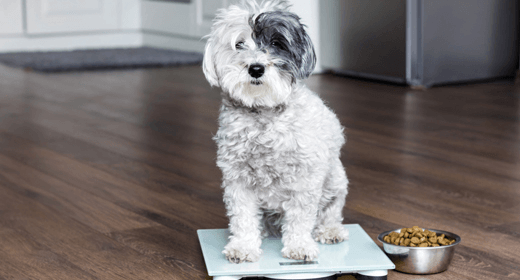
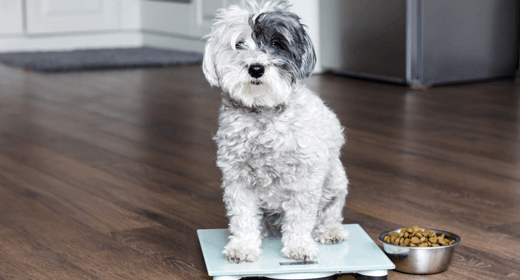
Obesity is a common problem in dogs, but you can help your pet lose weight. Identifying the causes and following a total weight-management program can result in controlled weight loss and maintenance. A total weight-management program includes evaluating the animal, educating the pet owner, modifying behaviors, and tailoring the program to individual situations.


Definition and Causes of, and Contributing Factors to, Obesity in Dogs

Obesity is defined as an increase in body weight, beyond the limitation of skeletal and physical requirements, resulting from an accumulation of excess body fat.
 

Obesity is caused when caloric intake exceeds caloric expenditure. This simply means that a dog eats more energy (calories) than it uses and stores the excess energy as fat.
 

There are many factors that can contribute to obesity:

  • Overfeeding
  • Inactivity
  • Breed
  • Age and gender
  • Spay/neuter status
  • Diabetes mellitus
  • Hyperadrenocorticism
  • Hypothyroidism
  • Owner's weight


Fat, Fiber, and Fatty Acids in Your Dog’s Weight-Loss Program

Fat

  • Dogs use fat as their primary energy source.
  • A diet that replaces some fat with highly digestible carbohydrates offers a good low-calorie alternative. Digestible carbohydrates contain fewer than one half of the calories of equal quantities of fat and do not have the disadvantages of indigestible fiber.


Fiber and Fatty Acids

  • A normal fiber level, provided in a moderately fermentable fiber source, helps create and maintain a healthy gut. This is especially important to the dog on a weight-reduction regimen.
  • Some weight-loss products for dogs dilute calories with high levels of fiber. High-fiber foods might reduce the digestibility and absorption of many nutrients, including fat. These foods reduce weight by providing what could be considered poor-quality nutrition. These high-fiber diets also might result in large, frequent stools, and decreased skin and coat condition.
  • Diets that provide an adjusted fatty-acid profile maintain the pet's healthy skin and coat, despite lowered fat levels.


Carbohydrates and Special Ingredients in Your Dog’s Weight-Loss Program

Carbohydrates and Special Ingredients

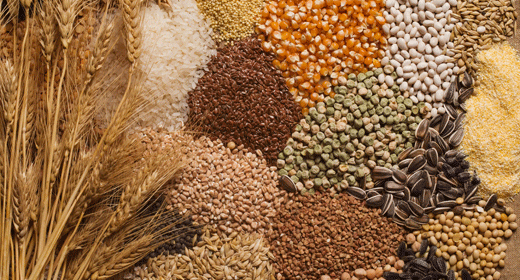
  • Feeding a diet that contains the carbohydrates corn, sorghum, and/or barley can result in lower blood sugar and insulin levels as compared to feeding a diet that contains rice as the primary carbohydrate source. Lower blood sugar and insulin levels also can help with maintaining a proper weight.


In addition, a diet that contains L-carnitine can help dogs metabolize fat. L-carnitine is a vitamin-like compound that helps burn fat.


Weight Loss for Your Dog Should Be Gradual

  • The goal of a good weight-loss-management program should be gradual weight loss. This is especially important in cats, because severe nutrient restriction can result in hepatic lipidosis (abnormal fat accumulation in the liver).
  • Dogs should lose 1 to 2% of their initial weight per week.
  • A good way to begin a weight-loss program is to reduce caloric intake by transitioning to a weight-control or reduced-fat formula. Dogs and cats that do not respond quickly should see their veterinarian for a special weight-loss program.


A total weight-management program can lead to successful weight reduction in the obese dog. Complete evaluation by the veterinarian is always recommended, and owner compliance is essential to success.
 

IAMS™ and professional veterinary products provide optimum nutrition for animals that can benefit from a weight-management program.
  • Why Is My Dog Shaking?
    Why Is My Dog Shaking?

    adp_description_block264
    What To Do When My Dog Is Shaking?

    • Share

    Since we cannot directly communicate with our dogs, there are certain behaviours and actions that immediately concern us. One of these behaviours is a dog shaking. No, not the fun way they shake off water starting from their nose all the way to the end of their tail. We’re talking about that full-body trembling you’ve likely seen your pooch do from time to time. Why do they do it? And is it something you should be worried about?

    Why is my dog shaking?

    A majority of dog owners in an IAMS™ survey* (64%) think the reason behind a dog shivering is that they are cold. Other top responses were because the dogs are scared (57%) or anxious (54%). High-fives all around because it turns out there are a number of reasons why dogs shake, and all those are possible correct answers. Here are some probable reasons behind a dog trembling:

    • They're chilly

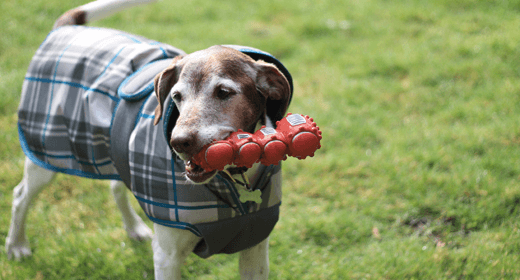
    Just like their owners, dogs will often shiver when cold. Dr. Tammie King, Applied Behaviour Technical Leader at Waltham Petcare Science Institute, says: “Dogs shiver in response to falling temperatures. Dogs with short or no hair are especially susceptible. You should get them warm, put coats on them or bring them inside.”

    shake fr dogs

    • They're anxious or scared

    “Shaking is a response to epinephrine or adrenaline secretion — a sign of anxiety where the dog is on high alert,” says James Serpell, B.S., Ph.D., Professor of Humane Ethics & Animal Welfare at the University of Pennsylvania School of Veterinary Medicine. You may notice this when you’re at the vet or there’s a situation where they feel threatened. Dr. Serpell also offers a way to help in some cases: “Identify what’s triggering the behaviour. Provide them comfort. Going forward, you can gradually desensitise your pet to the thing it’s afraid of.”

    shake fr dogs

    • They’re excited

    This is probably the most comforting answer to every dog owner’s concern. Apart from being a response to anxiety or stress, a dog’s trembling can also be a result of excitement. This trembling or shaking is not a matter of concern and will stop once the animal calms down.


    • They're not feeling well

    Trembling can also be a sign of serious issues like injury, poisoning, or kidney disease. Dr. Jo Gale, BVetMed CertLAS MRCVS, Senior Manager, Global Science Advocacy at Waltham Petcare Science Institute urges pet owners to be vigilant: “If a pet is unwell in another way, they could be trembling.” If their shaking is accompanied by symptoms like diarrhoea, limping, or vomiting, you should consult your vet straight away.

    • They’re suffering from Shaker syndrome

    Shaker syndrome has been observed in white dogs of smaller-sized breeds. It causes shivering in a dog’s entire body. The precise cause of this syndrome is not yet known; however, your vet will be able to prescribe medications upon close examination.


    • They’re getting old

    Old age is also a pretty common cause of shaking and shivering in dogs. This is because age reduces tolerance to even a slight amount of cold. Besides that, shaking can also be a result of other old-age-related issues like joint pains or weakening of limbs.


    When to see a vet for dog shivering or shaking?

    As mentioned earlier, you should immediately consult a vet if, along with shaking, your dog is also experiencing vomiting, limping, or diarrhoea. Even though shaking is a common symptom of old age-related issues, you must take your dog to the vet. If they are suffering from joint pain, early treatment is necessary. It is also advisable to visit a vet if your dog’s shaking or shivering hasn’t stopped even after a few minutes. 

    Additionally, if you ever notice violent shaking in your dog, it might actually be a seizure. In such a case, rush to an emergency room as quickly as possible.

Close modal