IAMS SG
How to Help Your Overweight Dog

adp_description_block371
How to Help Your Overweight Dog

  • Share

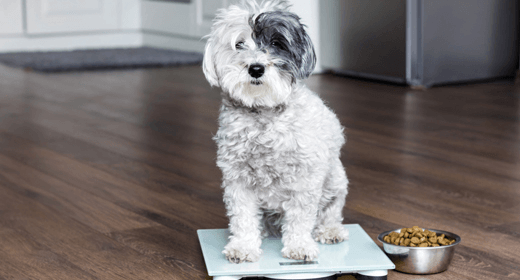
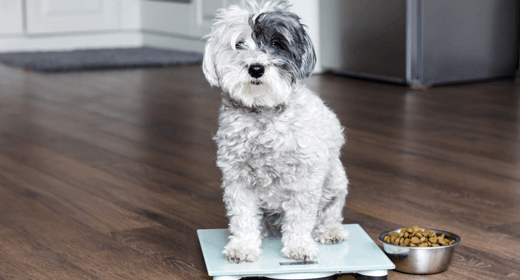
Obesity is a common problem in dogs, but you can help your pet lose weight. Identifying the causes and following a total weight-management program can result in controlled weight loss and maintenance. A total weight-management program includes evaluating the animal, educating the pet owner, modifying behaviors, and tailoring the program to individual situations.


Definition and Causes of, and Contributing Factors to, Obesity in Dogs

Obesity is defined as an increase in body weight, beyond the limitation of skeletal and physical requirements, resulting from an accumulation of excess body fat.
 

Obesity is caused when caloric intake exceeds caloric expenditure. This simply means that a dog eats more energy (calories) than it uses and stores the excess energy as fat.
 

There are many factors that can contribute to obesity:

  • Overfeeding
  • Inactivity
  • Breed
  • Age and gender
  • Spay/neuter status
  • Diabetes mellitus
  • Hyperadrenocorticism
  • Hypothyroidism
  • Owner's weight


Fat, Fiber, and Fatty Acids in Your Dog’s Weight-Loss Program

Fat

  • Dogs use fat as their primary energy source.
  • A diet that replaces some fat with highly digestible carbohydrates offers a good low-calorie alternative. Digestible carbohydrates contain fewer than one half of the calories of equal quantities of fat and do not have the disadvantages of indigestible fiber.


Fiber and Fatty Acids

  • A normal fiber level, provided in a moderately fermentable fiber source, helps create and maintain a healthy gut. This is especially important to the dog on a weight-reduction regimen.
  • Some weight-loss products for dogs dilute calories with high levels of fiber. High-fiber foods might reduce the digestibility and absorption of many nutrients, including fat. These foods reduce weight by providing what could be considered poor-quality nutrition. These high-fiber diets also might result in large, frequent stools, and decreased skin and coat condition.
  • Diets that provide an adjusted fatty-acid profile maintain the pet's healthy skin and coat, despite lowered fat levels.


Carbohydrates and Special Ingredients in Your Dog’s Weight-Loss Program

Carbohydrates and Special Ingredients

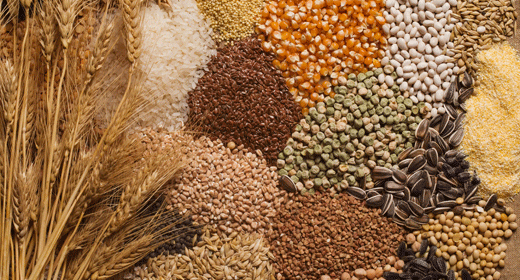
  • Feeding a diet that contains the carbohydrates corn, sorghum, and/or barley can result in lower blood sugar and insulin levels as compared to feeding a diet that contains rice as the primary carbohydrate source. Lower blood sugar and insulin levels also can help with maintaining a proper weight.


In addition, a diet that contains L-carnitine can help dogs metabolize fat. L-carnitine is a vitamin-like compound that helps burn fat.


Weight Loss for Your Dog Should Be Gradual

  • The goal of a good weight-loss-management program should be gradual weight loss. This is especially important in cats, because severe nutrient restriction can result in hepatic lipidosis (abnormal fat accumulation in the liver).
  • Dogs should lose 1 to 2% of their initial weight per week.
  • A good way to begin a weight-loss program is to reduce caloric intake by transitioning to a weight-control or reduced-fat formula. Dogs and cats that do not respond quickly should see their veterinarian for a special weight-loss program.


A total weight-management program can lead to successful weight reduction in the obese dog. Complete evaluation by the veterinarian is always recommended, and owner compliance is essential to success.
 

IAMS™ and professional veterinary products provide optimum nutrition for animals that can benefit from a weight-management program.


  • Best Antioxidants For Dogs - Benefits & Importance - IAMS™ Singapore
    Best Antioxidants For Dogs - Benefits & Importance - IAMS™ Singapore

    adp_description_block261
    A Pet Parent’s Guide To The Best Antioxidants For Dogs

    • Share

    Antioxidants are naturally-occurring essential nutrients that help maintain your dog’s health by slowing the destructive oxidative process of cellular molecules. IAMS™ research has been focusing on advancing antioxidant nutrients for senior dogs — and the benefit is improved immune function. Discover how the antioxidants in IAMS™ products can benefit your dog’s health in a number of ways.


    Benefits of antioxidants for dogs

    Antioxidants are found naturally in fruits and vegetables. Common antioxidants include vitamin A, vitamin C, vitamin E, and certain compounds called carotenoids (like lutein and beta-carotene). When antioxidants are a part of a dog’s complete diet, they can provide the following benefits:


    • Slowing the oxidative process of cellular molecules
    • Reversing immune-cell function in senior dogs


    How antioxidants work

    As cells function normally in the body, they produce damaged molecules called free radicals. These free radicals are highly unstable and steal components from other cellular molecules such as fat, protein, or DNA, thereby spreading the damage.

    This continues in a chain reaction, and causes cells to die. This process is called peroxidation. Peroxidation is useful because it helps the body destroy cells that have outlived their usefulness, and it kills germs and parasites. However, when left unchecked, peroxidation also destroys or damages healthy cells.

    Antioxidants help prevent widespread cellular destruction by willingly donating components to stabilise free radicals. More importantly, antioxidants return to the surface of the cell to stabilise other cellular components.

    When there are not enough antioxidants to hold peroxidation in check, free radicals begin damaging healthy cells, which can lead to problems. For example, free radical damage to immune cells can lead to an increased risk of infections.


    Antioxidants in IAMS™ adult dog and puppy foods

    Antioxidants offer countless benefits to our furry friends. And it is imperative that their food is loaded with it. Want to know why? Read on.

    Why do dogs need antioxidants?

    Antioxidants are a must for dogs as they are exposed to significantly more toxins than humans. These antioxidants work like protective agents within the dog’s body, battling free radicals that cause symptoms and diseases like skin problems.

    Furthermore, giving liver antioxidants for dogs will boost liver health and eliminate toxins from their body more efficiently. The liver will convert fat-soluble toxins into water-soluble toxins to easily flush them from your pet’s body through the GI tract and kidneys.

    Recent research has examined the benefits of certain antioxidants on the immune response of dogs, and the results of these studies indicated that antioxidants are important in helping dogs maintain a healthy immune system.

    IAMS™ adult and puppy formulas contain optimal levels of antioxidants such as:


    Antioxidant

    Source

    Function

    Vitamin E

    Plant oil extract and tocopherols

    Optimizes immune system’s T-cell activation

    Beta-carotene

    Vitamin premix, corn meal, chicken by-product meal and chicken fat

    Optimizes types of cell present in the blood,
    increases antibody levels in the blood


    Now that you know how dog food with antioxidants can benefit your dog, here’s a list of the best antioxidants for dogs: 

    Best antioxidants for dogs

    Vitamin C

    • One of the most essential vitamins for a dog's health
    • Aids in wound healing and reducing inflammation
    • Provides energy so your dog can enjoy playing outside all day

    Vitamin E

    •  One of the best antioxidants for dogs with cancer
    •  Provides a natural boost to the immune system
    •  Supports healthy blood vessels and protects against diabetes and heart disease

    Beta Carotene

    • It is a fantastic dietary addition for your dog.
    • Helps boost the number of antibodies in blood and offers additional protection against diseases in older dogs

    Polyphenols

    • Excellent antioxidants for dogs as they help maintain your pet’s health and strength for many years
    • Shields from diseases like cancer or diabetes 


    Sources of antioxidants for dogs

    You can find natural antioxidants for dogs in the following:


    Fruits and Vegetables

    The antioxidant content of plant-based foods is high. Foods that are highest in antioxidants are fruits and vegetables as they are loaded with vitamins and beneficial in countless ways. Some examples of excellent sources of antioxidants are blueberries, strawberries, pears, red cabbages, and kale. Make sure to check which fruits and vegetables are safe for your dog to consume.


    Supplements

    Give your dog the best vitamins you can, so your pooch stays healthy. It is crucial that dogs receive a supplement that is specifically designed for their life stage. 

    Look for dog food with antioxidants and nutrients that are bioactive and bioavailable so that these get absorbed properly into your dog’s body. Make sure that the supplement you choose has the ideal ratio of natural elements for your pet’s needs. That can be accomplished by looking for a combination of prebiotics, antioxidants, vitamins, and minerals.

    For a healthy body from the inside, you can also feed your pooch IAMSTM Proactive HealthTM dog food. Find the products that are best for your dog by shopping based on your pet’s age.

    article understanding antioxidants in article dog food header
Close modal