Enter a keyword below to search for articles and products.
Many factors influence the overall health of your dog’s skin and coat: His diet and grooming schedule, the presence of parasites and seasonal changes can all play a role. Whether your dog is prone to skin issues or you want to ensure your pup’s health for years to come, you’ll need to keep a few key things in mind.
Regular veterinary checkups will ensure that your dog is disease- and parasite-free. Flea-bite allergy and external parasites, such as mange, are primary causes of hair loss and skin problems.
In addition to scheduling checkups, check your dog’s hair and skin at least once a week for signs of fleas (flea dirt or bites), mange or other skin conditions, and hair loss.
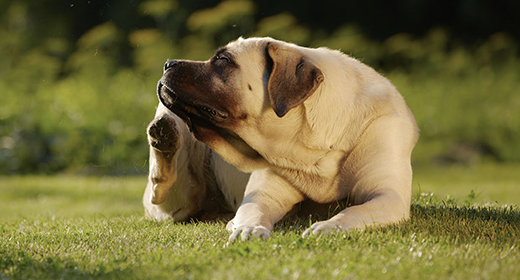
If your dog’s skin seems thick or scaly or lacks elasticity, or if you notice hair loss, these signs might indicate a nutritional deficiency. Check with your veterinarian, and try feeding him a premium food. It will usually take between six and eight weeks after a diet change to see results. If your pet continues to scratch and chew his skin, consult a veterinarian.
When looking for a dog food that will promote good skin and coat health, keep the following in mind:
What's the best thing you can do for your dog’s skin and coat health? Feed a high-quality food packed with protein, such as IAMS™ ProActive Health™ Adult MiniChunks. Dogs are best fed as carnivores: They need protein and thrive on diets rich in animal-based protein sources. Additionally, their hair is actually 95% protein! Although coat growth varies by breed, the combined growth of all the hair can add up to 100 feet per day in some dogs. This means that nearly 30% of the animal’s daily protein requirement is used just for coat growth during some seasons.
Premium pet foods are carefully formulated to be complete and balanced, which means the food includes all of the nutrients your pet needs. Ingredients in premium foods are highly digestible so your dog's body uses the nutrients efficiently. Less costly foods might contain lower-quality proteins. Though a bag of premium food may cost a bit more than other brands, you might be able to feed less, which minimizes the cost difference.
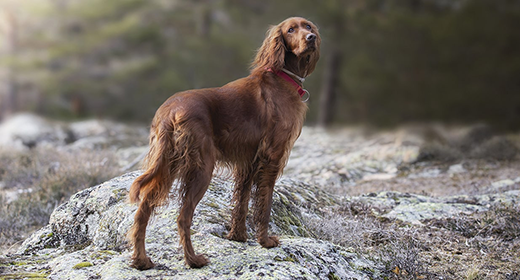
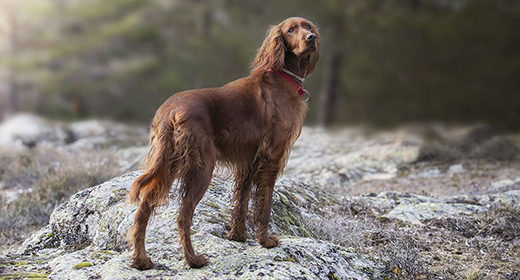
It’s easy to spot a healthy-looking dog: He has a gleam in his eye, a bounce in his step and a glossy, healthy coat. That glow is a reflection of your dog’s overall health and a good gauge of what’s going on inside and outside.
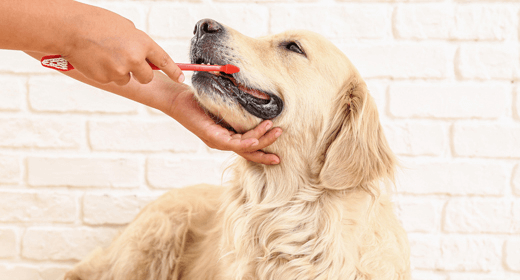
Regular grooming helps take care of the “outside” by removing loose hair, dirt and mats, and distributing skin oils. Grooming lets you check your pet closely, catching any skin problems early. Plus, your dog will love the attention!
As dogs age, their skin might become more sensitive. Select a mild dog shampoo for your older dog. Shampoos made from coconut or palm oils are the mildest. Unusual or “doggy” odors can signal disease, so if odors persist, contact your veterinarian. Do not use human shampoos because they are often too harsh for a dog’s skin.
When bathing your dog, be sure to rinse him thoroughly. Residue left on the skin can be irritating. You might want to follow the shampoo with a hair conditioner to control static electricity and add extra body or sheen.
During the summer, pay close attention to your dog’s skin and coat. Many dogs shed a winter coat and others face flea problems, so it’s a good time to evaluate your dog’s skin and coat condition to nip any problems in the bud.
Attention to your dog's coat and skin from the inside out will produce a healthy, lively dog that is a joy to look at — and a pleasure to live with — every day!
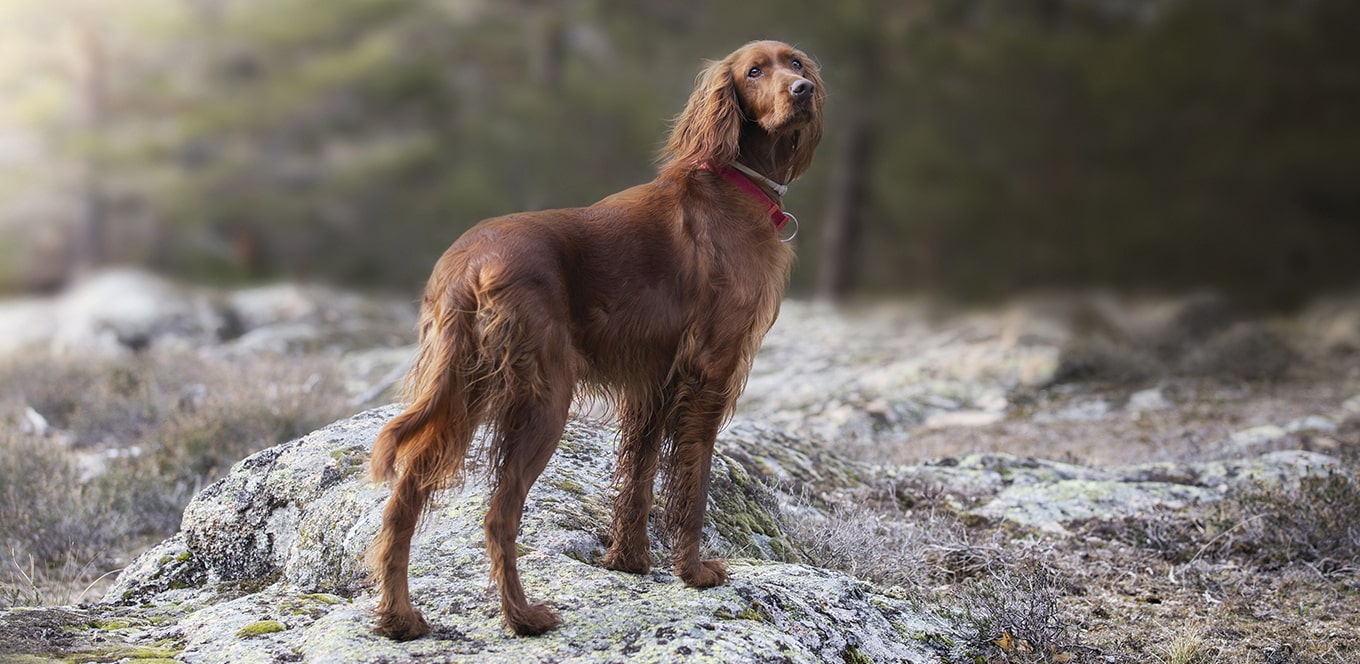


Just as in humans, gut health plays a pivotal role in a dog's overall health and well-being. But what exactly is gut health?
Essentially, it refers to the balance and functioning of the gastrointestinal (GI) tract, specifically the gut microbiome, a unique collection of thousands of different types of bacteria, viruses, fungi, and other microorganisms. This delicate ecosystem is crucial for almost every aspect of your dog's health, from nutrient absorption to cognitive functions.
However, our pet’s commercial diets, medications like antibiotics, and excessive indoor living can disrupt the balance of the gut microbiome, leading to canine digestion issues such as inflammatory bowel disease (IBD), immune system reactions, indigestion in dogs, and behavioural changes.
Fortunately, it's possible to restore and maintain your dog's gut health, while addressing signs of indigestion in dogs. Join us as we discuss the best ways to promote healthy dog digestion.
Improving your dog's gut health involves addressing any signs of digestive issues in dogs, and working towards a well-balanced gut microbiome. Here are 4 of the best ways to improve your dog’s gut health, and in turn your dog’s digestion:
Introducing probiotics into your dog's diet can help build good bacteria and balance their microbiome. Probiotics increase immune resistance against harmful bacteria, fight intestinal infections, and provide nutritional support during digestive issues. You can try products like IAMS™ Proactive Health™ Digestive Health Supplement, which contains the probiotic Bacillus Subtilis. This helps degrade organic matter in the feces, reduce ammonia production and fecal odour, and promote the growth of good bacteria. To keep these beneficial probiotics thriving, consider adding soluble fibers into their meals, such as squash.
Regular exercise and playtime can significantly improve your dog's gut health. Exercise reduces stress, which can weaken its immune system and cause inflammation. Finding the right level of exercise for your dog's life stage and maintaining that routine can help manage canine digestion and overall health.
Feeding your dog a nutrient-dense, biologically appropriate diet can positively impact their gut health. Dogs require meat protein for optimal health, and raw meats rich in live enzymes can enhance digestibility and nutrient absorption. Including bone broth in their meals can also increase nutrient absorption and help restore the gut lining.
Just like humans, dogs can benefit from exposure to a variety of environments. This can help diversify their gut microbiome, leading to better digestion and overall health.
Indigestion in dogs is often a clear sign of poor gut health. Some other signs of digestive issues in dogs that you should watch out for are:
These signs could indicate a disrupted gut microbiome that needs attention. By taking steps to improve your dog's gut health, you'll be supporting their overall wellness and helping them lead a happier, healthier life.
If you notice signs of indigestion in dogs, such as diarrhoea, constipation, bloating, vomiting, or any changes in their behaviour, it’s crucial to consult with a vet. While occasional digestive issues can occur in dogs, persistent symptoms could indicate a disruption in their gut microbiome.
Investing in your dog's gut health through a comprehensive approach of diet, exercise, environment exposure, vet consultations, and supplements, can significantly improve their overall well-being. This will help to ensure healthy canine digestion, and a happier, healthier life for your furry friend.