Enter a keyword below to search for articles and products.
We all want the best for our pets, and maintaining good oral hygiene is crucial to their overall health and wellbeing. This means keeping your dog’s teeth clean regularly and taking it for annual dental check-ups as well. Without proper oral care, your dog can develop dental diseases like plaque buildups, gingivitis, and tartar, which can have serious consequences, leading to tooth loss and other infections in your dog’s body.
Taking proper care of your dog’s teeth and feeding nutritious food will reduce their risk of developing oral illnesses in the future. Besides, brushing your dog's teeth can be a great bonding experience for you, and your dog may slowly come to love the activity.
As a dog parent, you would want your dog’s mouth to be fresh and healthy. Here are 5 reasons why your dog’s dental care is important for its overall health.
Dental pain can be extremely unpleasant for dogs, especially when it is severe. This can be avoided by keeping your dog's gums and teeth healthy.
When the bones that support your dog’s teeth get infected or damaged, they may weaken and fall out. Providing good dog oral care will ensure that your dog oral care remain healthy.
Bacteria residing in the plaque can enter your dog’s bloodstream and travel to the kidneys, heart, and liver. This spread of germs can harm its organs and make your dog sick. It is here that good oral hygiene will prevent bacteria and associated organ damage in your dog.
If the smell of your dog’s breath makes you gag, then know that your dog needs a dental cleaning session. But when your dog has healthy teeth and mouth, bad breath will not be an issue.
Since many dogs develop dental disease by the age of three, preventing it might be tough. But good dog dental care can prevent oral diseases from escalating to the point where it causes problems throughout its body.
Dogs need regular oral care just like you do; gum disease and broken teeth are the major concerns. Fortunately, pets seldom suffer from tooth decay. Their cone-shaped teeth, non-acidic saliva, and low-sugar diets all help protect them from this nasty ailment. Regular brushing and professional teeth cleaning can keep your dog’s teeth clean, healthy, and gleaming. Giving your pet appropriate toys to chew is known to prevent fractures.
Note: If you give your pets sweets for snacks, they can get cavities.
It should just be you and your dog, with no other children or pets in the house.
Dog toothbrushes can be easily found in pet stores or on the internet. But remember to use only dog-specific toothpaste while brushing your dog’s teeth.
Make sure you are in a well-lit area so you can see what you're doing when brushing your dog's teeth and that your dog is comfortable.
Begin by displaying the toothpaste to your dog and allowing them to lick it off your finger.
Hold its upper lip up and brush the top front teeth.
Brush the bottom teeth while holding the bottom lip down. Begin with the front teeth, and then work your way to the side and back.
If your dog is sitting still while you’re brushing its teeth, you can brush both the interior and outside of its teeth at the same time. Brushing the insides of the teeth is a little more difficult, so add this step after your dog is calm and after the outsides of its upper and lower teeth have been brushed.
Brushing your dog’s teeth may be an odd experience. Thus, praise your dog constantly to make this a happy experience. Although it may seem unusual to offer treats when you’re brushing your dog’s teeth. But the primary goal should be to teach the skill, and then you may focus on removing food from the equation later.
When your puppy first begins to get permanent teeth, check if the baby tooth has come out for the new tooth grow. Retained teeth can cause the permanent teeth to be crooked. Toy dog breeds, with their tiny jaws, are more prone to such dental problems.
While hard foods and chew toys can help keep teeth clean, you need to get your pet used to a regular tooth brushing. As soon as you bring your new pet home, get it accustomed to having its mouth handled. It is also good training—it teaches the dog to tolerate having things in his mouth without biting or snapping.
What your dog eats affects its 'smile.' Dry foods and treats help clean plaque from its teeth. Rawhide chews are also good cleaning tools, as are some of the knobby plastic toys on the market. None of these are hard enough to cause tooth damage, however monitor your dog to be sure that it doesn’t swallow small pieces of these toys. Real bones can also be dangerous for your pet and should not be used for tooth-cleaning purposes.
All dry adult IAMS™ Dog Foods, include Daily Dental Care, a special kibble coating that helps reduce tartar buildup for better oral health. So, along with providing balanced nutrition, our range of dry dog food focuses on dental hygiene as well.
It just takes a little time and patience. Begin by running your finger gently over his gums. At first, just rub the outside, but as he adjusts to the routine, begin to open his mouth and rub the gums inside the teeth as well.
As your dog gets accustomed to this, wrap your finger with gauze and rub his gums. Eventually, add a pet toothpaste; do not use human toothpaste. After a few weeks, your dog should be willing to accept a toothbrush for pets, which should have soft, multi-tufted synthetic bristles.
Hold the toothbrush at a 45-degree angle and apply it to the area where teeth and gums meet. Rotate it in small circles, overlapping several teeth. Finish with vertical strokes to pull plaque from between the teeth. Repeat until all the teeth on the cheek side are clean. The inside teeth will be more difficult, as your dog may resist opening its mouth, but eventually you will be able to brush the inside and outside surfaces of all the teeth. For effective cleaning, brush your dog's teeth a couple of times a week.
If you want to keep your dog's teeth clean but are worried about the cleaning process, then you are not alone. You need to pick a toothpaste advised by your vet as they are usually clinically tested abd approved. But most importantly, refrain from using human toothpaste to brush your dog’s teeth. It’s because human toothpaste contains fluoride, which is highly toxic to dogs.
Dental wipes for dogs are designed to be wiped against your dog's teeth to eliminate plaque. They work in a similar way to toothbrushes and are an excellent way to keep your pet's teeth clean. They're generally more convenient to use than a toothbrush and toothpaste.
Brushing your dog's teeth may seem goofy, but it's a great method to keep plaque from forming. Unlike humans, dogs do not require daily brushing. Your dog might not enjoy having its teeth brushed at first but making it a habit will help. Brushing should be done using a dog toothbrush or a fingertip toothbrush. You'll also require dog toothpaste. Consult your vet for advice, and then decide what you and your dog prefer.
Dog chews come in a variety of shapes and sizes, and most of them contain teeth-cleaning characteristics. Chewing is a natural way for your dog to clean its teeth and is beneficial to its dental health. Frequent chewing prevents your dog’s teeth from decaying and helps clean its teeth. Cow ears, chicken strips, and bully sticks are excellent chews for keeping your dog healthy and happy.
Dogs adore treats, and dental treats are an excellent way to improve your dog's oral care and hygiene. These treats are designed to eliminate plaque buildup and typically include chemicals that help to get rid of your dog's breath and clean its mouth. They are considerably more liked by dogs than a toothbrush or tooth wipes, and they keep dogs' mouths clean. These treats are available in a wide range of tastes, forms, and sizes, so you are sure to find something your dog will enjoy.
Having your dog's teeth professionally cleaned by a veterinarian is probably the smartest way to ensure its dental health. Your veterinarian will be able to determine what is best for your dog's teeth by addressing any problems that even the most devoted dog owner might overlook.
You can take care of your dog’s teeth in the following ways:
Yes! Even dogs develop plaque and tartar on their teeth which is caused by lingering food particles and bacteria. The bacteria then spreads to their gums and cause serious inflammation resulting in gingivitis, or worse, teeth loss.
Regularly brushing your dog's teeth using a dog toothbrush and a dog-safe toothpaste is the best way to eliminate plaque. You can also remove tartar from your dog's teeth with a finger brushing. But it may take a lot of training for your dog to tolerate using a finger toothbrush at first.
Giving your dog a Veterinary Oral Health Council (VOHC) approved dental food that reduces plaque and tartar accumulation through mechanical or chemical ways will help reduce plaque buildup. Tartar formation is considerably slowed by minimising plaque formation. Brushing or wiping your dog's teeth on a daily basis is recommended.
Yes, you can, but you must use a dog-safe mouthwash. It will help to keep bacteria at bay and decrease plaque when used carefully and diluted in your dog's water bowl.
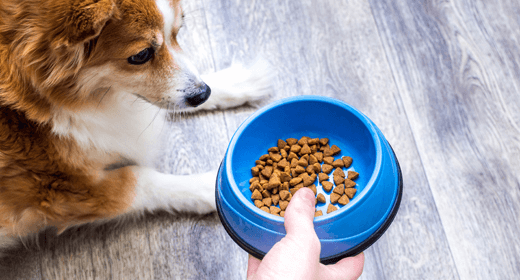
As dogs age, changes occur in the way their bodies function, so it makes sense that what they eat also might need to change. The following list of health issues might be more common in aging pets.
Decreased Immune System Function
Throughout a dog’s life, a process called peroxidation occurs. Peroxidation is a normal process that the body uses to destroy cells that outlive their usefulness and to kill germs, parasites, etc. This process, however, also can destroy or damage healthy cells. As your dog ages, the damage caused by peroxidation accumulates, which, in turn, increases the risk of certain problems, such as infections.
Antioxidants are naturally occurring nutrients that help maintain overall health by neutralizing the peroxidation process of cellular molecules. Some antioxidants, such as vitamin E, beta-carotene, and lutein, are naturally occurring nutrients.
Recent research sponsored by The IAMS™ Company found that dogs fed a diet rich in antioxidants such as vitamin E, lutein, or beta-carotene had improved immune responses and vaccine recognition. This might be especially important in senior dog care; IAMS research has found that as dogs age, immune responses can decrease.
More Frequent Intestinal Problems
Older dogs might have higher numbers of unfavorable bacteria and lower numbers of beneficial bacteria in their intestines, which can result in clinical signs of gastrointestinal problems (e.g., diarrhea).
Feeding a diet containing fructooligosaccharides (FOS), a unique fiber source that helps nutritionally maintain healthy intestinal bacterial populations, promotes growth of beneficial bacteria. Beet pulp, a moderably fermentable fiber source, also helps maintain intestinal health by providing energy for the cells lining the intestine and promoting small, firm stools.
Different dogs show signs of aging at different times, and much of this variation is associated with size. Larger dogs generally appear 'old' sooner than smaller dogs. The table below lists the age at which various groups of dogs should be transitioned to senior foods, such as IAMS™ ProActive Health™ Senior Plus.
| Weight Range | Age to Begin Transition |
|---|---|
| More than 90 lbs | 5 years |
| 51 to 90 lbs | 6 years |
| 21 to 50 lbs | 7 years |
| Up to 20 lbs | 7 years |