Enter a keyword below to search for articles and products.
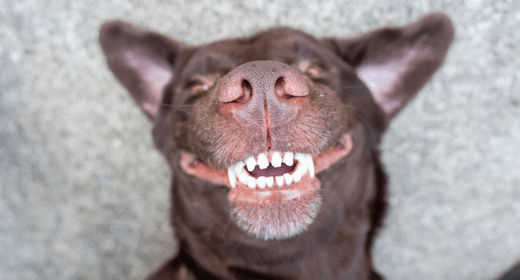
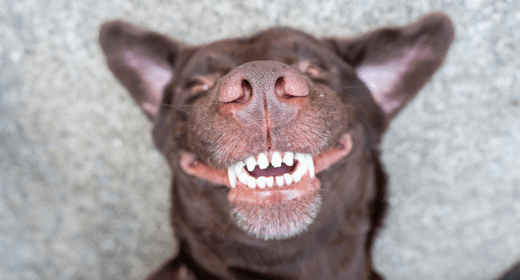
We all want the best for our pets, and maintaining good oral hygiene is crucial to their overall health and wellbeing. This means keeping your dog’s teeth clean regularly and taking it for annual dental check-ups as well. Without proper oral care, your dog can develop dental diseases like plaque buildups, gingivitis, and tartar, which can have serious consequences, leading to tooth loss and other infections in your dog’s body.
Taking proper care of your dog’s teeth and feeding nutritious food will reduce their risk of developing oral illnesses in the future. Besides, brushing your dog's teeth can be a great bonding experience for you, and your dog may slowly come to love the activity.
As a dog parent, you would want your dog’s mouth to be fresh and healthy. Here are 5 reasons why your dog’s dental care is important for its overall health.
Dental pain can be extremely unpleasant for dogs, especially when it is severe. This can be avoided by keeping your dog's gums and teeth healthy.
When the bones that support your dog’s teeth get infected or damaged, they may weaken and fall out. Providing good dog oral care will ensure that your dog oral care remain healthy.
Bacteria residing in the plaque can enter your dog’s bloodstream and travel to the kidneys, heart, and liver. This spread of germs can harm its organs and make your dog sick. It is here that good oral hygiene will prevent bacteria and associated organ damage in your dog.
If the smell of your dog’s breath makes you gag, then know that your dog needs a dental cleaning session. But when your dog has healthy teeth and mouth, bad breath will not be an issue.
Since many dogs develop dental disease by the age of three, preventing it might be tough. But good dog dental care can prevent oral diseases from escalating to the point where it causes problems throughout its body.
Dogs need regular oral care just like you do; gum disease and broken teeth are the major concerns. Fortunately, pets seldom suffer from tooth decay. Their cone-shaped teeth, non-acidic saliva, and low-sugar diets all help protect them from this nasty ailment. Regular brushing and professional teeth cleaning can keep your dog’s teeth clean, healthy, and gleaming. Giving your pet appropriate toys to chew is known to prevent fractures.
Note: If you give your pets sweets for snacks, they can get cavities.
It should just be you and your dog, with no other children or pets in the house.
Dog toothbrushes can be easily found in pet stores or on the internet. But remember to use only dog-specific toothpaste while brushing your dog’s teeth.
Make sure you are in a well-lit area so you can see what you're doing when brushing your dog's teeth and that your dog is comfortable.
Begin by displaying the toothpaste to your dog and allowing them to lick it off your finger.
Hold its upper lip up and brush the top front teeth.
Brush the bottom teeth while holding the bottom lip down. Begin with the front teeth, and then work your way to the side and back.
If your dog is sitting still while you’re brushing its teeth, you can brush both the interior and outside of its teeth at the same time. Brushing the insides of the teeth is a little more difficult, so add this step after your dog is calm and after the outsides of its upper and lower teeth have been brushed.
Brushing your dog’s teeth may be an odd experience. Thus, praise your dog constantly to make this a happy experience. Although it may seem unusual to offer treats when you’re brushing your dog’s teeth. But the primary goal should be to teach the skill, and then you may focus on removing food from the equation later.
When your puppy first begins to get permanent teeth, check if the baby tooth has come out for the new tooth grow. Retained teeth can cause the permanent teeth to be crooked. Toy dog breeds, with their tiny jaws, are more prone to such dental problems.
While hard foods and chew toys can help keep teeth clean, you need to get your pet used to a regular tooth brushing. As soon as you bring your new pet home, get it accustomed to having its mouth handled. It is also good training—it teaches the dog to tolerate having things in his mouth without biting or snapping.
What your dog eats affects its 'smile.' Dry foods and treats help clean plaque from its teeth. Rawhide chews are also good cleaning tools, as are some of the knobby plastic toys on the market. None of these are hard enough to cause tooth damage, however monitor your dog to be sure that it doesn’t swallow small pieces of these toys. Real bones can also be dangerous for your pet and should not be used for tooth-cleaning purposes.
All dry adult IAMS™ Dog Foods, include Daily Dental Care, a special kibble coating that helps reduce tartar buildup for better oral health. So, along with providing balanced nutrition, our range of dry dog food focuses on dental hygiene as well.
It just takes a little time and patience. Begin by running your finger gently over his gums. At first, just rub the outside, but as he adjusts to the routine, begin to open his mouth and rub the gums inside the teeth as well.
As your dog gets accustomed to this, wrap your finger with gauze and rub his gums. Eventually, add a pet toothpaste; do not use human toothpaste. After a few weeks, your dog should be willing to accept a toothbrush for pets, which should have soft, multi-tufted synthetic bristles.
Hold the toothbrush at a 45-degree angle and apply it to the area where teeth and gums meet. Rotate it in small circles, overlapping several teeth. Finish with vertical strokes to pull plaque from between the teeth. Repeat until all the teeth on the cheek side are clean. The inside teeth will be more difficult, as your dog may resist opening its mouth, but eventually you will be able to brush the inside and outside surfaces of all the teeth. For effective cleaning, brush your dog's teeth a couple of times a week.
If you want to keep your dog's teeth clean but are worried about the cleaning process, then you are not alone. You need to pick a toothpaste advised by your vet as they are usually clinically tested abd approved. But most importantly, refrain from using human toothpaste to brush your dog’s teeth. It’s because human toothpaste contains fluoride, which is highly toxic to dogs.
Dental wipes for dogs are designed to be wiped against your dog's teeth to eliminate plaque. They work in a similar way to toothbrushes and are an excellent way to keep your pet's teeth clean. They're generally more convenient to use than a toothbrush and toothpaste.
Brushing your dog's teeth may seem goofy, but it's a great method to keep plaque from forming. Unlike humans, dogs do not require daily brushing. Your dog might not enjoy having its teeth brushed at first but making it a habit will help. Brushing should be done using a dog toothbrush or a fingertip toothbrush. You'll also require dog toothpaste. Consult your vet for advice, and then decide what you and your dog prefer.
Dog chews come in a variety of shapes and sizes, and most of them contain teeth-cleaning characteristics. Chewing is a natural way for your dog to clean its teeth and is beneficial to its dental health. Frequent chewing prevents your dog’s teeth from decaying and helps clean its teeth. Cow ears, chicken strips, and bully sticks are excellent chews for keeping your dog healthy and happy.
Dogs adore treats, and dental treats are an excellent way to improve your dog's oral care and hygiene. These treats are designed to eliminate plaque buildup and typically include chemicals that help to get rid of your dog's breath and clean its mouth. They are considerably more liked by dogs than a toothbrush or tooth wipes, and they keep dogs' mouths clean. These treats are available in a wide range of tastes, forms, and sizes, so you are sure to find something your dog will enjoy.
Having your dog's teeth professionally cleaned by a veterinarian is probably the smartest way to ensure its dental health. Your veterinarian will be able to determine what is best for your dog's teeth by addressing any problems that even the most devoted dog owner might overlook.
You can take care of your dog’s teeth in the following ways:
Yes! Even dogs develop plaque and tartar on their teeth which is caused by lingering food particles and bacteria. The bacteria then spreads to their gums and cause serious inflammation resulting in gingivitis, or worse, teeth loss.
Regularly brushing your dog's teeth using a dog toothbrush and a dog-safe toothpaste is the best way to eliminate plaque. You can also remove tartar from your dog's teeth with a finger brushing. But it may take a lot of training for your dog to tolerate using a finger toothbrush at first.
Giving your dog a Veterinary Oral Health Council (VOHC) approved dental food that reduces plaque and tartar accumulation through mechanical or chemical ways will help reduce plaque buildup. Tartar formation is considerably slowed by minimising plaque formation. Brushing or wiping your dog's teeth on a daily basis is recommended.
Yes, you can, but you must use a dog-safe mouthwash. It will help to keep bacteria at bay and decrease plaque when used carefully and diluted in your dog's water bowl.
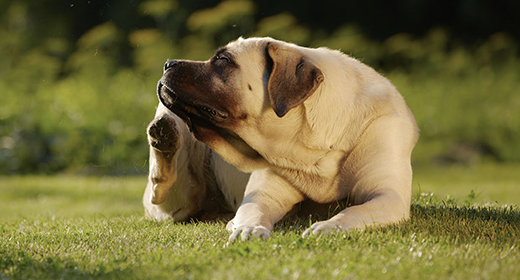
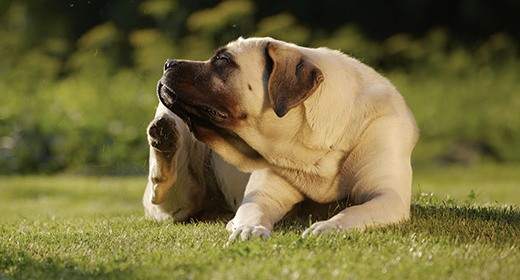
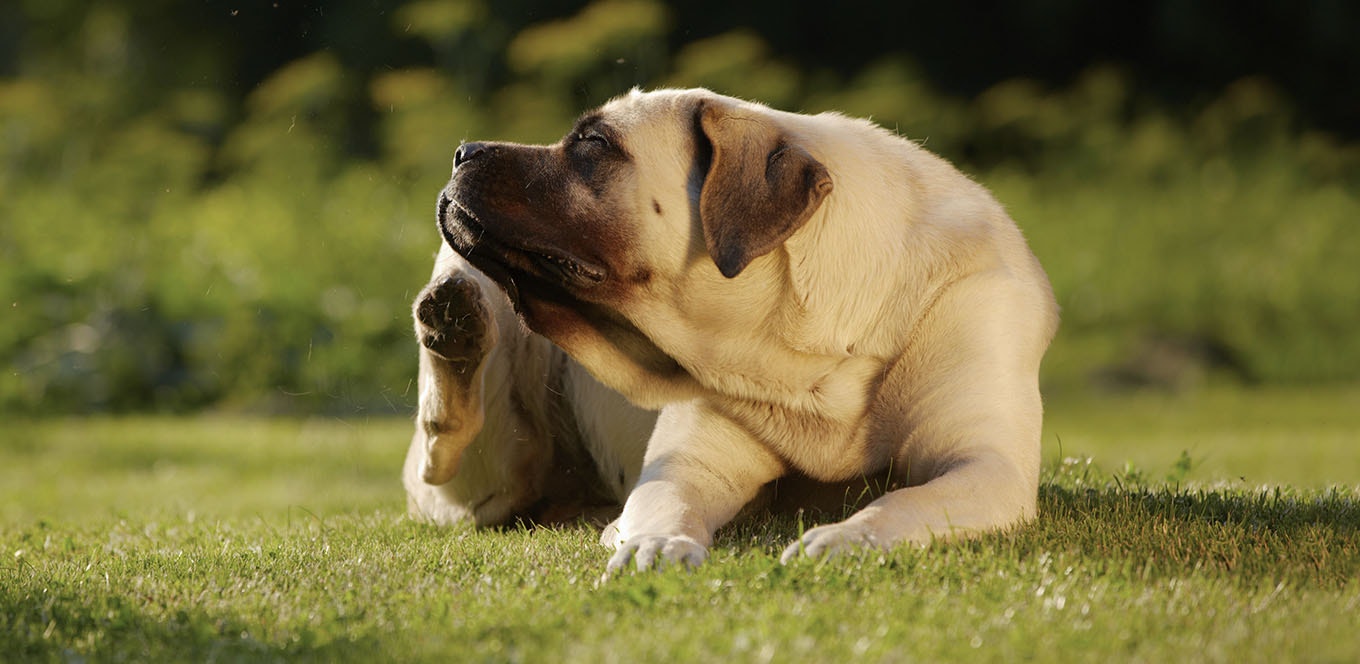
Is your dog always scratching, chewing, itching, or licking itself? Nibbling on its paws like they've been smeared with peanut butter? Although it may appear adorable at first, these are all indications that your dog is allergic.
Dog allergies are very common, and they are one of the primary causes of veterinary visits. Usually, their skin and ears are the most affected areas. Just as they are for humans, environmental and seasonal allergies can cause some discomfort and be an issue for dogs. While allergies in people tend to improve, allergies in dogs often worsen with age.
But how can you tell whether your dog is allergic to something and what's causing it? Unfortunately, correctly diagnosing these symptoms as allergies is not really simple. Your dog can't tell you what's wrong. So, it's up to you, the pet parent, to spot the signs.
The human animal isn’t the only one affected by allergies. Like you, your adult dog can suffer from allergic reactions to any number of things—in the air, on his skin, and in his food. Allergies must be diagnosed and treated by your veterinarian, but first, you must know what to look for.
Therefore, to relieve your furball from all the discomfort caused by allergies, here are some dog allergy symptoms you should watch out for:
In dogs, there are many kinds of allergies. They are:
Environmental allergens such as mold, dust, and pollen can cause severe allergies in dogs, also known as atopic dermatitis. They are triggered by elements found in your home or backyard, or wherever else your dog spends time. Dogs either ingest these allergens like pollen, or they get absorbed into their skin when they come into contact with them. Its ears and paws are the most affected regions; however, it can also affect the muzzle, wrists, ankles, eyes, underarms, crotch, and in between the toes.
An allergic reaction caused by flea bites is one of the most common dog allergies. Plus, flea saliva is also thought to be an allergen in dogs, causing extreme itching. Your dog's skin may become inflamed, red, and scabbed as a result of this, especially near the base of the tail.
Itchy skin in dogs is caused by sensitivities and food allergies. Allergenic protein sources such as beef (34%), dairy products (17%), and chicken (15%) can cause severe food allergies. However, dogs tend to develop a food allergy at any time in their lives, regardless of whether they had previously consumed any type of food from any brands.
Inhalant allergies in dogs are caused by the same common allergens that affect you—dust, grass, trees, mold, pollen, ragweed, etc. They can be seasonal or persistent and, while some breeds (especially short-snouted breeds) might experience the same sniffly, sneezy symptoms you might suffer, skin reactions are most common. Inhalant allergies often can be treated with the same medications you take, but please don’t treat your dog’s allergies without veterinary supervision.
Allergies can vary from dog to dog, so it is important that you work with your vet to make sure your dog gets the best possible treatment. You’ll both be happier for it.
Excessive itching affects the majority of dogs at some stage in their life. A dog with pruritus will bite, scratch, or lick its skin excessively. Itching is referred to as pruritus in medical terms and is one of the most common dog allergy symptoms. It is also a primary factor why dog owners seek veterinarian care.
If your dog licks its skin frequently or incessantly, especially its feet, it's a sign of allergies. The condition could be caused by irritants present in your home or while you go out for walks with your dog. However, it could also be a sign of your furball’s food allergies.
Feet chewing is another prevalent dog allergic reaction. Your dog chews its feet because of an allergy to grass or other environmental pollutants like pollen or dust mites. Inflammation and irritation occur when an allergen comes in touch with its skin. As a result, the skin in the affected area becomes unbearable, and the dog begins to gnaw.
Your dog may have an allergy if you observe it itching a lot or if you notice redness on its skin. These allergic reactions are common in all sorts of dog allergies. If they are the only symptoms you're observing in your dog, you can wait a day or two before making an appointment with your vet.
It can take a little practice to figure out different ways to help alleviate your dog's allergy issues. One effective method is to frequently bathe your dog with hypoallergenic shampoos. This will help remove allergens such as grass or pollen from your dog's body.
Flea control is also necessary to reduce allergy symptoms in a flea-allergic dog. Fleas must be inevitably treated in a dog's environment as well. Vacuum properly to eliminate the eggs and larvae, then discard the vacuum bag. Insecticides can be used both inside and outside your home to keep fleas at bay. In addition to that, hypoallergenic diets make for great dog allergy remedies. These diets contain fewer ingredients with a unique protein source, or they are processed in a specific way to reduce allergic reactions. Consult your vet for advice on the best diet for your pet. But remember that during the trial period, flavored drugs, treats, and human meals must be avoided.
The English Bulldog is a short-haired breed that sheds moderately. Although it sheds hair all year, that isn’t the only allergy issue. These dogs drool a lot, and as the saliva dries and releases proteins into the air, it might induce an allergic reaction in them.
An activated immune system in American bulldogs can cause allergies. If your dog has signs like itchy skin, redness, or licking its paws, you know that your dog is allergic.
The most prevalent dog allergies in Bichon Frises are contact allergies that develop skin problems as well as food allergies. They are also allergic to flea bites and allergens in the air, such as flowers, grass, dust, and trees.
These dogs are also susceptible to contact allergies. They are allergic reactions to objects they come into contact with, including houseplants, cleaning detergents, and even some dog shampoos. Symptoms are more likely to be seen on the skin, so look for redness, flakiness, or a rash in the paws, belly folds, and ears.
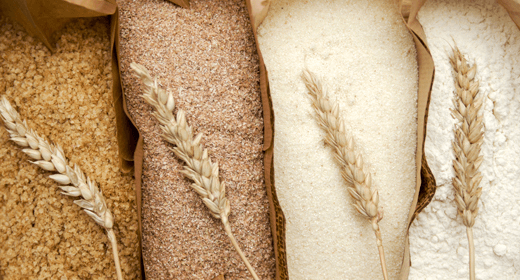
Keep an eye out for food allergies and environmental sensitivities that damage their skin. Boxers are especially sensitive to dog food that contains a lot of grains, such as wheat, or corn. Allergies from pollen, trees, dust, and weeds, can affect them at any time of year.
Mold spores are everywhere around us. When inhaled by your dog, it can cause labored breathing, wheezing, and even coughing. Dog allergies are also trigged by eating or living in a moldy home. Excessive chewing, scratching, and dry or scaly skin are some of its common symptoms.
When your dog's oil glands overproduce an oil called sebum, dandruff develops. This oil helps moisturize your adorable pup's skin and adds to its overall wellness. But, when the sebaceous glands generate too much oil, an imbalance occurs, resulting in pet dander.
When fleas feed on your dog, they inject their saliva into your dog’s skin. This saliva can cause an inflammatory reaction in your dog, causing it to excessively itch its skin.
Dust mite allergies are caused by small spider-like insects that reside in houses and consume skin dander.
Unfortunately, dog allergies are incurable and unavoidable. However, you can do things to help them manage their symptoms and suffering. To begin, you must first determine the root reason, which could be flea-related, seasonal, food-related, or something else entirely. Then, you can help your dog avoid these allergies. Keep an eye out for itches and treat them immediately to avoid irritated, infected skin and ears.
You can protect your dog from allergies by avoiding the allergens. Or else, you should regularly clean the air and other surfaces in your home. Additionally, bathing your dog with medicated shampoos for dogs with allergies can help alleviate the symptoms.
The most common dog allergies are:
Dog allergy remedies can be quite beneficial for their skin. Some of them include:
Allergies in dogs are almost always incurable. However, with the help of your veterinarian and a little patience, you can come up with a treatment and management plan that will keep your dog healthy and symptom-free.