Enter a keyword below to search for articles and products.

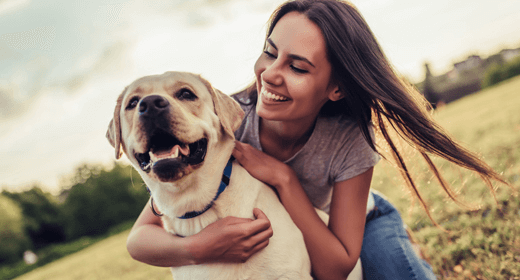
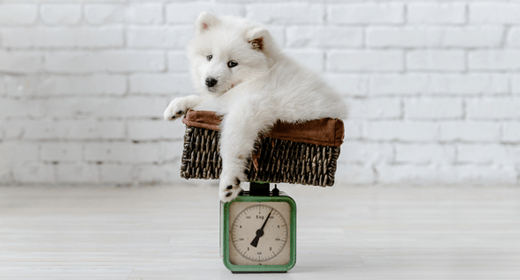
Have you ever wondered why some dogs seem a bit heavier than they should be? Dogs, like humans, can face weight issues, and it's crucial to ensure that they are in their best shape. In today's world of treats and limited exercise, more and more pet parents find themselves asking, 'Why is my dog fat?'. Dealing with dogs and weight loss can be tricky to work along if you don’t know how to go about on this journey of weight loss in dogs. Yet, how should you know if your dog is gaining weight and how to make your dog lose weight?
These days, dogs are grappling with weight issues. And as a dog parent, you must take a closer look at your pet’s body condition. Be curious about questions like, can you feel your dog's ribs easily? Is there a visible waistline? These observations play an essential role in assessing whether your canine companion needs assistance in the weight department. If you find your dog needing help with weight loss, then you must act promptly. Let's explore canine weight management and how to help dog lose weight.
Maintaining a healthy weight for your dog is not just about the appearance; it's about their overall well-being. Dogs with excess weight face health risks, including diabetes and heart diseases. Understanding why your dog is gaining weight would be the first step towards ensuring a longer and healthier life for your furry friend. Overweight and obese dogs often have shorter life spans, emphasising the need to act promptly. This is why it is essential for you to start considering weight loss by providing your pooch with a healthy and hearty lifestyle.
Struggling with dogs and weight loss can be stressful for pet parents. However, fret not. Here is what you need to do to start your dog’s journey towards weight loss:
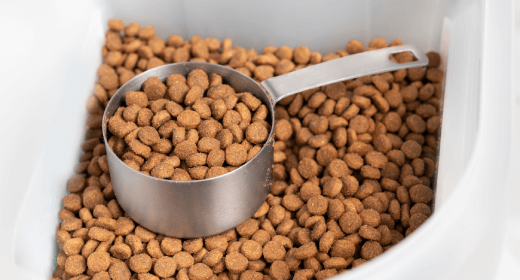
A balanced diet contains all essential nutrients required for your pooch’s healthy growth. Consulting your vet for a tailored meal plan is suggested when planning your dog’s weight loss journey. It is also important to choose high-quality, low-calorie dog food to maintain a balanced diet. Portion control should be practiced to avoid overfeeding and excessive calorie intake.
One of the key elements to dogs losing weight is regular and consistent exercise. Develop a regular exercise routine tailored to your dog's breed and age. Take your floof for brisk walks, play a game of fetch, or simply plunge into the pool for swimming to keep them active. Gradually increase the intensity and duration of exercise for gradual weight loss. It is also recommended to combine regular exercising with healthier food for best results.
Your pooch’s weight problem can also be linked to numerous medical conditions. It is best to schedule regular vet visits to rule out underlying health issues causing weight gain. Conditions like thyroid problems may contribute to weight gain in dogs. Discuss appropriate medications or supplements with your vet for well-guided canine weight loss.
Consistently monitor your dog's progress and adjust the plan as needed. Gradual weight loss is ideal to prevent health complications. If you notice your fur baby losing or gaining too much weight within a short period, then you should get them checked by a vet. Stick to the plan even after your dog achieves their target weight for overall well-being.
While it's essential to encourage weight loss, it's equally crucial to ensure your dog doesn't lose weight too quickly or in an unhealthy manner.
While shedding that extra weight is essential, you need to make sure your fur baby’s weight loss journey is healthy and effective for a longer period. Given below are a few things you should be mindful of to avoid abnormal weight loss in dogs:
Helping your dog achieve and maintain a healthy weight is essential for their overall well-being. By following the aforementioned steps, consulting your vet, and observing your furry friend closely, you can contribute to a happier life together. Create a healthy weight loss plan, so your dog leads a happy life.
Regular exercising, healthy eating, and treating any underlying illness can lead to adequate weight loss in dogs.
Dog’s ideal weight is determined by its breed, age, and size. If you feel your dog is turning lethargic, low in energy, and overeating then it might be overweight.
Overeating or odd eating habits, lesser energy, little to no exercise, and poor frequent illness are some of the many signs of an unhealthy dog.
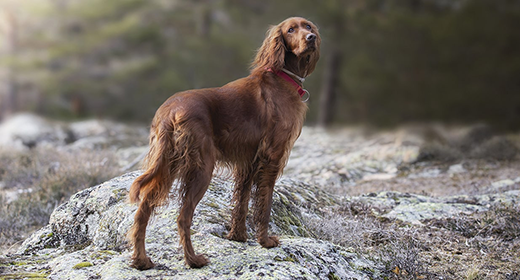
Many factors influence the overall health of your dog’s skin and coat: His diet and grooming schedule, the presence of parasites and seasonal changes can all play a role. Whether your dog is prone to skin issues or you want to ensure your pup’s health for years to come, you’ll need to keep a few key things in mind.
Regular veterinary checkups will ensure that your dog is disease- and parasite-free. Flea-bite allergy and external parasites, such as mange, are primary causes of hair loss and skin problems.
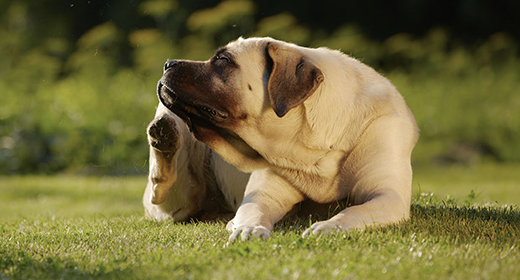
In addition to scheduling checkups, check your dog’s hair and skin at least once a week for signs of fleas (flea dirt or bites), mange or other skin conditions, and hair loss.
If your dog’s skin seems thick or scaly or lacks elasticity, or if you notice hair loss, these signs might indicate a nutritional deficiency. Check with your veterinarian, and try feeding him a premium food. It will usually take between six and eight weeks after a diet change to see results. If your pet continues to scratch and chew his skin, consult a veterinarian.
When looking for a dog food that will promote good skin and coat health, keep the following in mind:
What's the best thing you can do for your dog’s skin and coat health? Feed a high-quality food packed with protein, such as IAMS™ ProActive Health™ Adult MiniChunks. Dogs are best fed as carnivores: They need protein and thrive on diets rich in animal-based protein sources. Additionally, their hair is actually 95% protein! Although coat growth varies by breed, the combined growth of all the hair can add up to 100 feet per day in some dogs. This means that nearly 30% of the animal’s daily protein requirement is used just for coat growth during some seasons.
Premium pet foods are carefully formulated to be complete and balanced, which means the food includes all of the nutrients your pet needs. Ingredients in premium foods are highly digestible so your dog's body uses the nutrients efficiently. Less costly foods might contain lower-quality proteins. Though a bag of premium food may cost a bit more than other brands, you might be able to feed less, which minimizes the cost difference.
It’s easy to spot a healthy-looking dog: He has a gleam in his eye, a bounce in his step and a glossy, healthy coat. That glow is a reflection of your dog’s overall health and a good gauge of what’s going on inside and outside.
Regular grooming helps take care of the “outside” by removing loose hair, dirt and mats, and distributing skin oils. Grooming lets you check your pet closely, catching any skin problems early. Plus, your dog will love the attention!
As dogs age, their skin might become more sensitive. Select a mild dog shampoo for your older dog. Shampoos made from coconut or palm oils are the mildest. Unusual or “doggy” odors can signal disease, so if odors persist, contact your veterinarian. Do not use human shampoos because they are often too harsh for a dog’s skin.
When bathing your dog, be sure to rinse him thoroughly. Residue left on the skin can be irritating. You might want to follow the shampoo with a hair conditioner to control static electricity and add extra body or sheen.
During the summer, pay close attention to your dog’s skin and coat. Many dogs shed a winter coat and others face flea problems, so it’s a good time to evaluate your dog’s skin and coat condition to nip any problems in the bud.
Attention to your dog's coat and skin from the inside out will produce a healthy, lively dog that is a joy to look at — and a pleasure to live with — every day!