Enter a keyword below to search for articles and products.

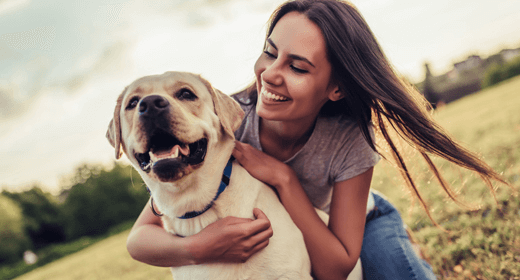
Have you ever wondered why some dogs seem a bit heavier than they should be? Dogs, like humans, can face weight issues, and it's crucial to ensure that they are in their best shape. In today's world of treats and limited exercise, more and more pet parents find themselves asking, 'Why is my dog fat?'. Dealing with dogs and weight loss can be tricky to work along if you don’t know how to go about on this journey of weight loss in dogs. Yet, how should you know if your dog is gaining weight and how to make your dog lose weight?
These days, dogs are grappling with weight issues. And as a dog parent, you must take a closer look at your pet’s body condition. Be curious about questions like, can you feel your dog's ribs easily? Is there a visible waistline? These observations play an essential role in assessing whether your canine companion needs assistance in the weight department. If you find your dog needing help with weight loss, then you must act promptly. Let's explore canine weight management and how to help dog lose weight.
Maintaining a healthy weight for your dog is not just about the appearance; it's about their overall well-being. Dogs with excess weight face health risks, including diabetes and heart diseases. Understanding why your dog is gaining weight would be the first step towards ensuring a longer and healthier life for your furry friend. Overweight and obese dogs often have shorter life spans, emphasising the need to act promptly. This is why it is essential for you to start considering weight loss by providing your pooch with a healthy and hearty lifestyle.
Struggling with dogs and weight loss can be stressful for pet parents. However, fret not. Here is what you need to do to start your dog’s journey towards weight loss:
A balanced diet contains all essential nutrients required for your pooch’s healthy growth. Consulting your vet for a tailored meal plan is suggested when planning your dog’s weight loss journey. It is also important to choose high-quality, low-calorie dog food to maintain a balanced diet. Portion control should be practiced to avoid overfeeding and excessive calorie intake.
One of the key elements to dogs losing weight is regular and consistent exercise. Develop a regular exercise routine tailored to your dog's breed and age. Take your floof for brisk walks, play a game of fetch, or simply plunge into the pool for swimming to keep them active. Gradually increase the intensity and duration of exercise for gradual weight loss. It is also recommended to combine regular exercising with healthier food for best results.
Your pooch’s weight problem can also be linked to numerous medical conditions. It is best to schedule regular vet visits to rule out underlying health issues causing weight gain. Conditions like thyroid problems may contribute to weight gain in dogs. Discuss appropriate medications or supplements with your vet for well-guided canine weight loss.
Consistently monitor your dog's progress and adjust the plan as needed. Gradual weight loss is ideal to prevent health complications. If you notice your fur baby losing or gaining too much weight within a short period, then you should get them checked by a vet. Stick to the plan even after your dog achieves their target weight for overall well-being.
While it's essential to encourage weight loss, it's equally crucial to ensure your dog doesn't lose weight too quickly or in an unhealthy manner.
While shedding that extra weight is essential, you need to make sure your fur baby’s weight loss journey is healthy and effective for a longer period. Given below are a few things you should be mindful of to avoid abnormal weight loss in dogs:
Helping your dog achieve and maintain a healthy weight is essential for their overall well-being. By following the aforementioned steps, consulting your vet, and observing your furry friend closely, you can contribute to a happier life together. Create a healthy weight loss plan, so your dog leads a happy life.
Regular exercising, healthy eating, and treating any underlying illness can lead to adequate weight loss in dogs.
Dog’s ideal weight is determined by its breed, age, and size. If you feel your dog is turning lethargic, low in energy, and overeating then it might be overweight.
Overeating or odd eating habits, lesser energy, little to no exercise, and poor frequent illness are some of the many signs of an unhealthy dog.


Nutrition is an important part of pet care, and food is one of the basic needs of a dog. So, we cannot go wrong when it comes to feeding our fur babies. And how would anyone mess it up? As humans, we are used to satisfying the nutritional needs of ourselves. How difficult could it possibly be to do the same for a dog? Well, thanks to the endless varieties of dog food available in the market, choosing the right kind of puppy food has become a challenge. But fret not! With this comprehensive feeding guide, you can plan a healthy and balanced diet for your new-born puppy. It also covers questions like what, when, and how often to feed a puppy.
Complete and balanced nutrition is critical for the healthy growth of your puppy. In fact, according to Dr. Saza Curaming, “A puppy grows about 12x faster than a human child. That’s why the first year of a dog’s life is a critical stage and this will dictate its further development. It is at this stage where you must constantly monitor its nutrition and feeding regimen.” So, let’s look at the food guide for the first year of a newborn pup:
As compared to adult dogs, puppies need a higher protein intake. It helps with muscle development and tissue repair. Hence, it is imperative to include protein-rich foods in their diet. While iron helps create red blood cells, calcium strengthens bones and teeth. As your puppy grows, it will start learning new things. And to ensure that your pooch can see and conceive new things, it needs DHA – an omega-3 fatty acid that supports healthy vision and brain development. You must also include prebiotics in its diet as your pet cannot have a healthy gut without it!
Give your dog the food that’s specifically formulated for its breed and age. Since small breed dogs have a tiny mouth, they require smaller kibbles. Moreover, large breed dogs have a slower metabolism; hence, they require fewer calories per kilogram of their bodyweight when compared to a small or medium breed dog.
At IAMS, we offer a range of puppy food that is loaded with essential nutrients like protein, vitamins, and minerals. Our food is scientifically formulated for puppies of all breed sizes. With IAMS, you make sure that your little pooch receives a balanced and complete meal.
Now that you know the nutritional requirements of a dog, let us check out the food items that are harmful for your pooch:
A fat puppy might not necessarily mean a healthy pet. The way childhood obesity often leads to medical complications in humans, an overweight puppy can also grow up to have health problems. So, make sure you monitor your furry friend’s calorie intake. This includes keeping an eye on the amount of treats you give your pup each day! Remember that treats are not the only way of rewarding a dog. You can make it feel loved and appreciated with praises, pats, and belly rubs as well.