IAMS SG
Feeding Tips for Your Teething Puppy

adp_description_block493
What to Feed a Teething Puppy?

  • Share

Puppies grow quickly and have special nutritional needs to keep their bodies strong. The most noticeable period of a pup’s growth phase is known as the rapid growth stage, which occurs between 2 and 6 months of age. From about 3 to 6 months, most pups will lose their puppy teeth. In fact, you might find a tooth near the feeding dish or on the floor, and this is quite normal. However, you may also be left wondering what to feed a teething puppy. This is a perfectly normal query that tends to concern a lot of pet parents. 


During the teething phase, the young pup’s mouth and gums may be very sensitive, which could cause them to be a bit picky when it comes to eating. There's nothing you can do except to wait it out, even if their appetite is low for a couple of days.

Teething puppy tips

While teething is painful for puppies, there are a few things you can do to make them feel better. Here is a quick guide for you on what to give a teething puppy in terms of food and toys:

  • Feeding a teething puppy

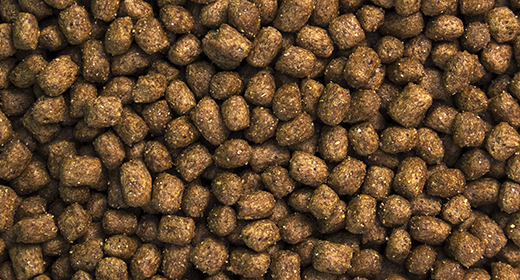
Your puppy may seem uninterested in dry food during teething. But don't switch to a new formula to stimulate your puppy's appetite. Changing food at this time can cause additional stress and intestinal upset. The tips below could help your puppy make the change:

  • Mix their regular, premium dry food with premium canned puppy food to soften the dry food and make mealtime even more appealing. Or try some moist food to help him through this sensitive period.
  • Soak dry food in warm water for 10 to 15 minutes before serving. Feeding dry food and biscuits loosens the teeth, so pups can get through the teething process quicker. If their appetite loss persists, see your veterinarian before you switch food.
  • Choosing chewing toys

Encourage your young dog to chew on toys by choosing chew toys that are appropriate for their size. Also, pick a variety of textures to keep them interested in the toys. You can also try giving them frozen toys that are shaped like a bone. Always keep an eye on the puppies while they are busy chewing the toys, to ensure they don’t bite off chunks. If that happens, do make sure to replace the toy immediately.

  • Other ways to alleviate teething pain

You can also give your puppy a clean and damp washcloth, chilled for a few hours. Chewing on this will also provide some much-needed relief. Do ensure that you supervise the puppy while they are chewing on this cloth so that they don’t ingest any sections of it.

A few other things to remember

Teething is a painful process for the puppies and can cause just as much inconvenience to the owners. Your puppy may lose their appetite and may experience a lot of pain and discomfort. But it is essential to get them through it all while also maintaining their diet. You can consult your vet for any major decisions or choices you make for your puppy during this time - the choice of toys, food, and other soothing methods. You will also have to keep constant vigilance to prevent your little companion from chewing on anything that may harm them, like shoes or the couch. These six months of the teething period may be hard, but you will certainly enjoy seeing them grow through this phase.


FAQs on teething puppies

  1. How long does teething in puppies last?
  2. The teething process for puppies may last for about six months.

  3. How can I help my puppy with teething?
  4. There are several ways through which you can help your puppies with the process of teething. Firstly, you can get safe chew toys for them. Secondly, you can help them get through the appetite loss. For this, you can prepare suitable teething puppy food by mixing regular dry food with parts of canned food. You can also soak their dry food in warm water for a few minutes. Apart from these steps, you can give your little furry friend a chilled clean and damp washcloth to chew on.

  5. What are the symptoms of a teething puppy?
  6. When your puppy is teething, you may see the following symptoms: drooling, bad breath, gum inflammation, gums bleeding, increased chewing tendency, missing teeth, and a loss of appetite.

  7. What to feed a teething puppy?
  8. Teething is painful for puppies and can cause them a lot of discomfort. Due to this, they may not feel like eating and can get even more reluctant to eat dry food. You can try giving them a mixture of their regular dry food with canned food or soaking their dry food for a few minutes before serving.

  9. What can I give my puppy for teething pain?
  10. Two things that can soothe your puppy’s teething pain and discomfort are chew toys and a chilled clean and damp washcloth.

  • How to take care of a puppy
    How to take care of a puppy

    adp_description_block253
    How to take care of a puppy

    • Share

    Watch as Veterinarian Dr. Katy Nelson shares all the basics of building a positive relationship with a puppy. You’ll learn everything from taking care of your puppy’s basic needs to socialization. When all is said and done you’ll learn how a happy puppy makes for a happy owner as well.


    Hi, I'm Dr. Katy Nelson with IAMS, and today we're going to talk about how to take care of your puppy. First and foremost, you want to understand and meet your puppy's needs. Here they are in order of importance. Number one: basic health-- water, nutrition specifically formulated for puppies, and sleep. Also, immunizations and regular checkups are recommended. Number two: safety. As with small children, you need to keep your puppy in an environment that is safe for him. Puppies explore with their mouths, and they learn about different textures by gnawing. Also, chewing helps massage their gums. For your puppy's safety, keep things that he or she should not be chewing on out of reach. Number three: psychological. Your puppy's greatest psychological need is to be part of a group and be socialized with other dogs. However, to do this successfully, you need to be a guardian he can depend on. Once your puppy's basic needs are met, you want to understand the way he sees the world, so that you can build a strong relationship. Your puppy does not understand the world you live in, so you cannot expect him to. Two things you need to understand is that to them, everything is edible, and they will lunge at anything exciting—you, kids, guests, and other animals, until you train them not to. Praise him exuberantly to encourage the right behavior. Give him treats, pet him, play with him, and be stern to discourage the wrong behavior—ignore him, stop petting, or stop playing. Most importantly, be patient and consistent. Don't be harsh. Puppies have lots of energy, and it's healthy for them to use it. Periodically, helping your puppy release energy will minimize his urge to dig and chew on things. Spend time out in the yard making him run in short bursts. Go on walks or play fetch. Puppies are used to playing with their brothers and sisters. When they're separated, they're looking for their next playmate. Playing with your puppy will also make him more focused on you, improving your bond and making training easier. It teaches him new behaviors, self-control, and will help him gain self-confidence. Like play, socialization is also fundamental to raising your puppy. This is why socializing your puppy as soon as you bring him home is important for both of you. Socialization teaches your puppy to be calm in stimulating circumstances, and to obey when instructed. It also gets him used to being touched, handled, and even used to having hands and inedible things in and near his mouth, so that he behaves around other people, kids, and his veterinarian. Also, know that puppies are sensitive. They can read facial expressions and emotions. Be consistent about what things your puppy does that make you express happiness. Also, be careful not to give your puppy reason to think he's at blame for negative emotions you have from other areas of your life, like when you've had a bad day at work. Emotions are contagious. The happiest puppies tend to be in the most positive and loving households. I'm Dr. Katy Nelson with IAMS, and I hope that you found this helpful as you welcome your new addition to your family.

Close modal