IAMS SG
Feeding Tips for Your Teething Puppy

adp_description_block267
What to Feed a Teething Puppy?

  • Share

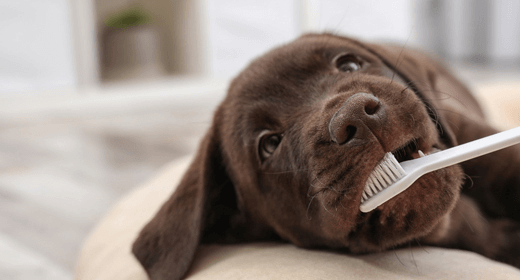
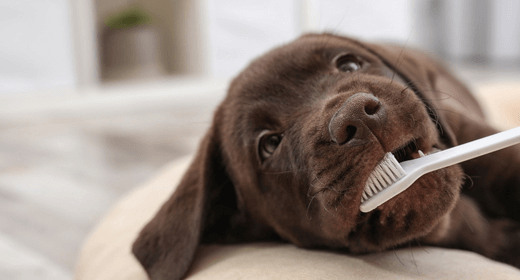
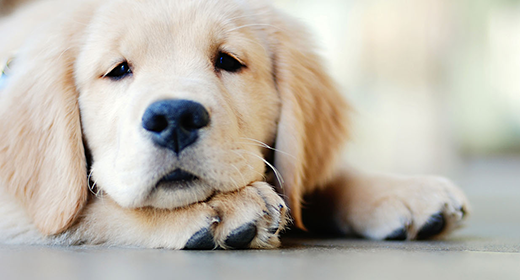
Puppies grow quickly and have special nutritional needs to keep their bodies strong. The most noticeable period of a pup’s growth phase is known as the rapid growth stage, which occurs between 2 and 6 months of age. From about 3 to 6 months, most pups will lose their puppy teeth. In fact, you might find a tooth near the feeding dish or on the floor, and this is quite normal. However, you may also be left wondering what to feed a teething puppy. This is a perfectly normal query that tends to concern a lot of pet parents. 


During the teething phase, the young pup’s mouth and gums may be very sensitive, which could cause them to be a bit picky when it comes to eating. There's nothing you can do except to wait it out, even if their appetite is low for a couple of days.

Teething puppy tips

While teething is painful for puppies, there are a few things you can do to make them feel better. Here is a quick guide for you on what to give a teething puppy in terms of food and toys:

  • Feeding a teething puppy

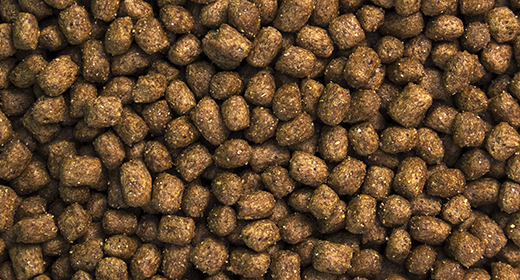
Your puppy may seem uninterested in dry food during teething. But don't switch to a new formula to stimulate your puppy's appetite. Changing food at this time can cause additional stress and intestinal upset. The tips below could help your puppy make the change:

  • Mix their regular, premium dry food with premium canned puppy food to soften the dry food and make mealtime even more appealing. Or try some moist food to help him through this sensitive period.
  • Soak dry food in warm water for 10 to 15 minutes before serving. Feeding dry food and biscuits loosens the teeth, so pups can get through the teething process quicker. If their appetite loss persists, see your veterinarian before you switch food.
  • Choosing chewing toys

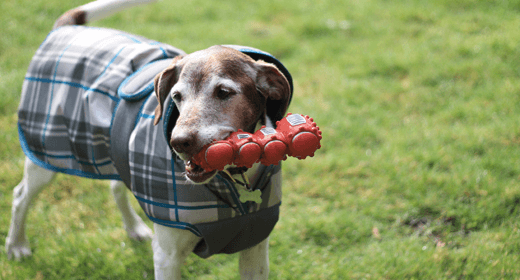
Encourage your young dog to chew on toys by choosing chew toys that are appropriate for their size. Also, pick a variety of textures to keep them interested in the toys. You can also try giving them frozen toys that are shaped like a bone. Always keep an eye on the puppies while they are busy chewing the toys, to ensure they don’t bite off chunks. If that happens, do make sure to replace the toy immediately.

  • Other ways to alleviate teething pain

You can also give your puppy a clean and damp washcloth, chilled for a few hours. Chewing on this will also provide some much-needed relief. Do ensure that you supervise the puppy while they are chewing on this cloth so that they don’t ingest any sections of it.

A few other things to remember

Teething is a painful process for the puppies and can cause just as much inconvenience to the owners. Your puppy may lose their appetite and may experience a lot of pain and discomfort. But it is essential to get them through it all while also maintaining their diet. You can consult your vet for any major decisions or choices you make for your puppy during this time - the choice of toys, food, and other soothing methods. You will also have to keep constant vigilance to prevent your little companion from chewing on anything that may harm them, like shoes or the couch. These six months of the teething period may be hard, but you will certainly enjoy seeing them grow through this phase.


FAQs on teething puppies

  1. How long does teething in puppies last?
  2. The teething process for puppies may last for about six months.

  3. How can I help my puppy with teething?
  4. There are several ways through which you can help your puppies with the process of teething. Firstly, you can get safe chew toys for them. Secondly, you can help them get through the appetite loss. For this, you can prepare suitable teething puppy food by mixing regular dry food with parts of canned food. You can also soak their dry food in warm water for a few minutes. Apart from these steps, you can give your little furry friend a chilled clean and damp washcloth to chew on.

  5. What are the symptoms of a teething puppy?
  6. When your puppy is teething, you may see the following symptoms: drooling, bad breath, gum inflammation, gums bleeding, increased chewing tendency, missing teeth, and a loss of appetite.

  7. What to feed a teething puppy?
  8. Teething is painful for puppies and can cause them a lot of discomfort. Due to this, they may not feel like eating and can get even more reluctant to eat dry food. You can try giving them a mixture of their regular dry food with canned food or soaking their dry food for a few minutes before serving.

  9. What can I give my puppy for teething pain?
  10. Two things that can soothe your puppy’s teething pain and discomfort are chew toys and a chilled clean and damp washcloth.

  • Why Beet Pulp is Good for Dogs
    Why Beet Pulp is Good for Dogs

    adp_description_block61
    Why Beet Pulp is Good for Dogs

    • Share

    Beet pulp is an important source of fiber that is good for helping your dog maintain intestinal health and can enhance his ability to absorb ingredients. Beet pulp is the material that remains after sugar is extracted from sugar beets.


    How Fiber and Beet Pulp Affect Your Dog’s Digestion

    There are two types of fiber: Nonfermentable and fermentable. Nonfermentable fiber remains undigested as it passes through a dog's intestines, providing bulk to move wastes out. Cellulose is an example of a nonfermentable fiber.
     

    In contrast, fermentable fiber is broken down in the intestines into short-chain fatty acids that provide energy for cells that line the intestine.
     

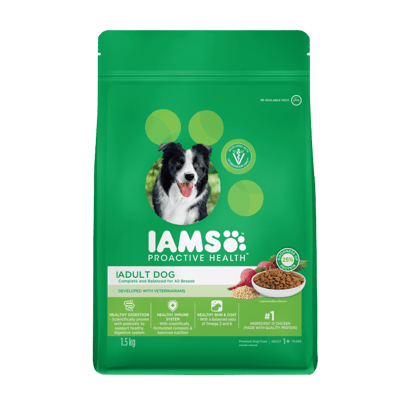
    Moderately fermentable fiber does both: It provides bulk to move waste and supplies energy to cells lining the intestine. Beet pulp is a moderately fermentable fiber. IAMS™ products contain a patented, moderately fermentable fiber, beet pulp, to keep your dog's digestive system healthy.


    The Truth About Beet Pulp in Dog Food

    Beet pulp contains no toxins and is not harmful. It is a very safe fiber source. Beet pulp does not affect coat color. There is nothing in beet pulp that can affect coat pigment—the inside is light in color, and the dark outside peel is not used in our foods.
     

    By definition, beet pulp is the material left over after the sugar is removed from sugar beets. Therefore, beet pulp contains no sugar.
     

    There is no evidence that beet pulp causes bloat. Bloat (gastric dilatation-volvulus or GDV) is related to a stomach defect that delays the stomach’s emptying. It is believed that bloat is not related to diet or ingredients, such as beet pulp. However, the cause of bloat remains unknown.


    Beet Pulp and Dog Health Research

    IAMS has conducted extensive research on many types of fiber. The results of this research point to the fact that beet pulp maintains intestinal health and works with other nutrients to provide optimal nutrition in all of our products, including IAMS™ ProActive Health™ Adult MiniChunks. No other food manufacturer can match our formulas. Only IAMS holds a patent for moderately fermentable beet pulp.

Close modal