IAMS SG
Feeding Tips for Your Teething Puppy

adp_description_block164
What to Feed a Teething Puppy?

  • Share

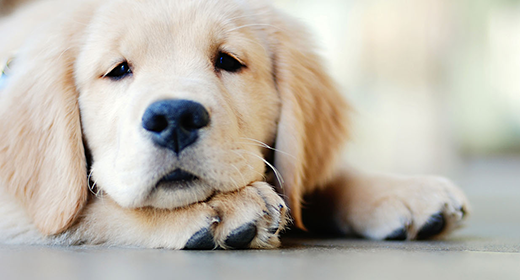
Puppies grow quickly and have special nutritional needs to keep their bodies strong. The most noticeable period of a pup’s growth phase is known as the rapid growth stage, which occurs between 2 and 6 months of age. From about 3 to 6 months, most pups will lose their puppy teeth. In fact, you might find a tooth near the feeding dish or on the floor, and this is quite normal. However, you may also be left wondering what to feed a teething puppy. This is a perfectly normal query that tends to concern a lot of pet parents. 


During the teething phase, the young pup’s mouth and gums may be very sensitive, which could cause them to be a bit picky when it comes to eating. There's nothing you can do except to wait it out, even if their appetite is low for a couple of days.

Teething puppy tips

While teething is painful for puppies, there are a few things you can do to make them feel better. Here is a quick guide for you on what to give a teething puppy in terms of food and toys:

  • Feeding a teething puppy

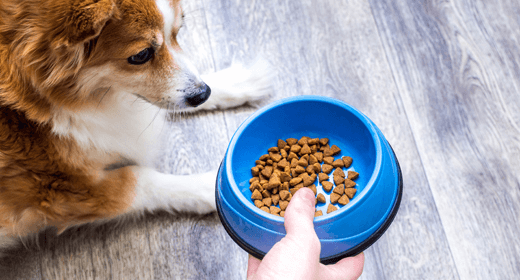
Your puppy may seem uninterested in dry food during teething. But don't switch to a new formula to stimulate your puppy's appetite. Changing food at this time can cause additional stress and intestinal upset. The tips below could help your puppy make the change:

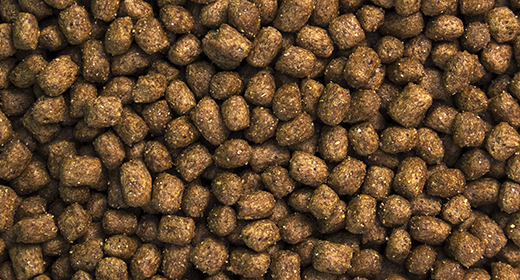
  • Mix their regular, premium dry food with premium canned puppy food to soften the dry food and make mealtime even more appealing. Or try some moist food to help him through this sensitive period.
  • Soak dry food in warm water for 10 to 15 minutes before serving. Feeding dry food and biscuits loosens the teeth, so pups can get through the teething process quicker. If their appetite loss persists, see your veterinarian before you switch food.
  • Choosing chewing toys

Encourage your young dog to chew on toys by choosing chew toys that are appropriate for their size. Also, pick a variety of textures to keep them interested in the toys. You can also try giving them frozen toys that are shaped like a bone. Always keep an eye on the puppies while they are busy chewing the toys, to ensure they don’t bite off chunks. If that happens, do make sure to replace the toy immediately.

  • Other ways to alleviate teething pain

You can also give your puppy a clean and damp washcloth, chilled for a few hours. Chewing on this will also provide some much-needed relief. Do ensure that you supervise the puppy while they are chewing on this cloth so that they don’t ingest any sections of it.

A few other things to remember

Teething is a painful process for the puppies and can cause just as much inconvenience to the owners. Your puppy may lose their appetite and may experience a lot of pain and discomfort. But it is essential to get them through it all while also maintaining their diet. You can consult your vet for any major decisions or choices you make for your puppy during this time - the choice of toys, food, and other soothing methods. You will also have to keep constant vigilance to prevent your little companion from chewing on anything that may harm them, like shoes or the couch. These six months of the teething period may be hard, but you will certainly enjoy seeing them grow through this phase.


FAQs on teething puppies

  1. How long does teething in puppies last?
  2. The teething process for puppies may last for about six months.

  3. How can I help my puppy with teething?
  4. There are several ways through which you can help your puppies with the process of teething. Firstly, you can get safe chew toys for them. Secondly, you can help them get through the appetite loss. For this, you can prepare suitable teething puppy food by mixing regular dry food with parts of canned food. You can also soak their dry food in warm water for a few minutes. Apart from these steps, you can give your little furry friend a chilled clean and damp washcloth to chew on.

  5. What are the symptoms of a teething puppy?
  6. When your puppy is teething, you may see the following symptoms: drooling, bad breath, gum inflammation, gums bleeding, increased chewing tendency, missing teeth, and a loss of appetite.

  7. What to feed a teething puppy?
  8. Teething is painful for puppies and can cause them a lot of discomfort. Due to this, they may not feel like eating and can get even more reluctant to eat dry food. You can try giving them a mixture of their regular dry food with canned food or soaking their dry food for a few minutes before serving.

  9. What can I give my puppy for teething pain?
  10. Two things that can soothe your puppy’s teething pain and discomfort are chew toys and a chilled clean and damp washcloth.

  • Why Beet Pulp is Good for Dogs
    Why Beet Pulp is Good for Dogs

    adp_description_block438
    Why Do Dogs Lick You? Common Reasons and Indications

    • Share

    There’s no doubt that dogs are affectionate creatures. And they have numerous ways of showing it. One of these ways is by licking their owners. You may enjoy it when your furry friend comes up and gives you a big ol’ pooch smooch.  But why do dogs lick you? In a poll* of dog owners, IAMS™ found a large majority (75%) believe dogs lick people to offer signs of friendliness. That’s definitely a correct assumption. Let’s dive a bit deeper for a better understanding. 

    Licking has been a social behaviour among dogs since the days of the great-great-great granddaddy wolf. 'It’s a standard canine greeting to lick others around the face,” agrees James Serpell, B.S., Ph.D., Professor of Humane Ethics & Animal Welfare at the University of Pennsylvania School of Veterinary Medicine. “Junior members of the pack will run around and lick the mouths of more senior members.” But is that all that there is to dog licking behaviour? Or are there more reasons why dogs lick people? Let’s find out!


    Why do dogs lick people?

    Here are a few reasons that can explain why dogs like to lick.  


    • It’s their way of showing affection

    For dogs, licking is equivalent to kissing or showing affection. You may have noticed female dogs licking their puppies which is a behaviour that is intended to show affection. And your dog considers you part of their pack, so they show you affection the same way their kind does - by licking.

    licking fr dogs

    • You taste great… or at least interesting

    Dogs are oral creatures and gather a lot of information about their surroundings through taste and smell. Maybe you’re salty after a sweaty run. Maybe you’ve got barbecue sauce on your face. “Dogs can smell a lot better than we can,” says Dr. Jo Gale, BVetMed CertLAS MRCVS, Senior Manager, Global Science Advocacy at Waltham Petcare Science Institute, “so they find a lot more things interesting to lick than we can.” This is despite the fact that dogs only have about 1,700 taste buds compared to around 9,000 in humans.


    • They want your attention

    Have you been too busy with work lately? Or has anything kept you inattentive toward your pooch? If so, it’s probably one of the reasons why your dog is licking you. It is also possible that your dog just got too bored and wants you to play with them, which is why they’re suddenly licking you.


    • They have OCD

    That’s true. Much like humans, dogs can also suffer from obsessive-compulsive disorder, which can be concerning. It is often triggered due to stress and anxiety and makes the dogs suddenly begin licking. You will need to visit your vet if you suspect this to be the case. 


    Why is my dog licking my wounds?

    Unlike humans, no other animals have knowledge about or access to proper healthcare. So, when they get injured, their first instinct is to lick their wounds. This helps them numb the pain to a certain extent, and also clean the wound. Thus, when your dog sees a wound on you, their natural instincts kick in and they try to help you by licking the wound, thinking it will clean the wound and lower the pain.

    licking fr 2 min new

    In fact, in ancient Greece, dogs at the shrine of Asclepius were trained to lick patients. In the Middle Ages, Saint Roch was said to have been cured of a plague of sores through his dog’s licking. The French even have a saying, “langue de chien, langue de médecin,” which translates to, “a dog’s tongue, a doctor’s tongue.”

    Don’t cancel your health insurance just yet. While a dog’s saliva does have some possible bactericidal properties against some types of bacteria, it can put you at risk of exposure to others. Too much licking can also reopen the wound and cause further infection. With modern medicine, you’re much better off hitting the first-aid kit. And that myth about dogs’ mouths being cleaner than humans’? Not true — both contain over 600 types of bacteria. 


    How to handle a dog that licks too much?

    While an occasional canine kiss is “aww”-inducing, some dogs can overdo it to the point of annoyance. When this happens, the best thing to do is “completely ignore it and give no attention,” suggests Dr. Jo Gale. “When they stop, provide them with attention.” This acts as a form of positive reinforcement. Over time your dog will learn to scale back on the smooches. Another thing you can try is training them to cut back on the licking. Remember to use positive reinforcement in this case too - reward them with treats or toys when they display good behavior.

Close modal