Enter a keyword below to search for articles and products.
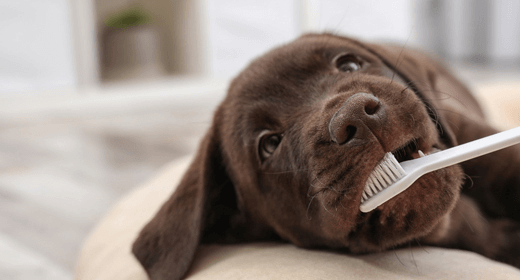
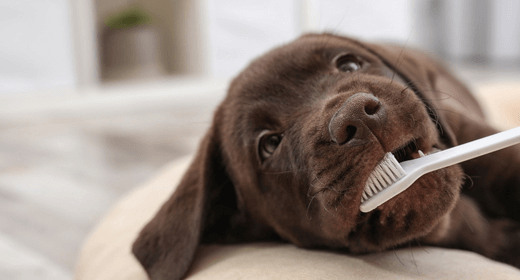
Puppies grow quickly and have special nutritional needs to keep their bodies strong. The most noticeable period of a pup’s growth phase is known as the rapid growth stage, which occurs between 2 and 6 months of age. From about 3 to 6 months, most pups will lose their puppy teeth. In fact, you might find a tooth near the feeding dish or on the floor, and this is quite normal. However, you may also be left wondering what to feed a teething puppy. This is a perfectly normal query that tends to concern a lot of pet parents.
During the teething phase, the young pup’s mouth and gums may be very sensitive, which could cause them to be a bit picky when it comes to eating. There's nothing you can do except to wait it out, even if their appetite is low for a couple of days.
While teething is painful for puppies, there are a few things you can do to make them feel better. Here is a quick guide for you on what to give a teething puppy in terms of food and toys:
Your puppy may seem uninterested in dry food during teething. But don't switch to a new formula to stimulate your puppy's appetite. Changing food at this time can cause additional stress and intestinal upset. The tips below could help your puppy make the change:
Encourage your young dog to chew on toys by choosing chew toys that are appropriate for their size. Also, pick a variety of textures to keep them interested in the toys. You can also try giving them frozen toys that are shaped like a bone. Always keep an eye on the puppies while they are busy chewing the toys, to ensure they don’t bite off chunks. If that happens, do make sure to replace the toy immediately.
You can also give your puppy a clean and damp washcloth, chilled for a few hours. Chewing on this will also provide some much-needed relief. Do ensure that you supervise the puppy while they are chewing on this cloth so that they don’t ingest any sections of it.
Teething is a painful process for the puppies and can cause just as much inconvenience to the owners. Your puppy may lose their appetite and may experience a lot of pain and discomfort. But it is essential to get them through it all while also maintaining their diet. You can consult your vet for any major decisions or choices you make for your puppy during this time - the choice of toys, food, and other soothing methods. You will also have to keep constant vigilance to prevent your little companion from chewing on anything that may harm them, like shoes or the couch. These six months of the teething period may be hard, but you will certainly enjoy seeing them grow through this phase.
The teething process for puppies may last for about six months.
There are several ways through which you can help your puppies with the process of teething. Firstly, you can get safe chew toys for them. Secondly, you can help them get through the appetite loss. For this, you can prepare suitable teething puppy food by mixing regular dry food with parts of canned food. You can also soak their dry food in warm water for a few minutes. Apart from these steps, you can give your little furry friend a chilled clean and damp washcloth to chew on.
When your puppy is teething, you may see the following symptoms: drooling, bad breath, gum inflammation, gums bleeding, increased chewing tendency, missing teeth, and a loss of appetite.
Teething is painful for puppies and can cause them a lot of discomfort. Due to this, they may not feel like eating and can get even more reluctant to eat dry food. You can try giving them a mixture of their regular dry food with canned food or soaking their dry food for a few minutes before serving.
Two things that can soothe your puppy’s teething pain and discomfort are chew toys and a chilled clean and damp washcloth.
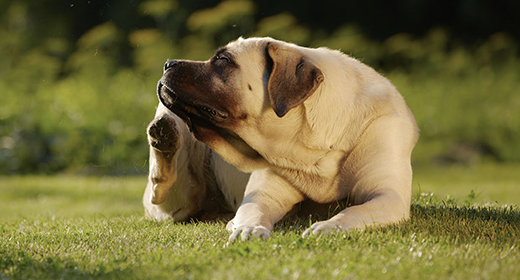
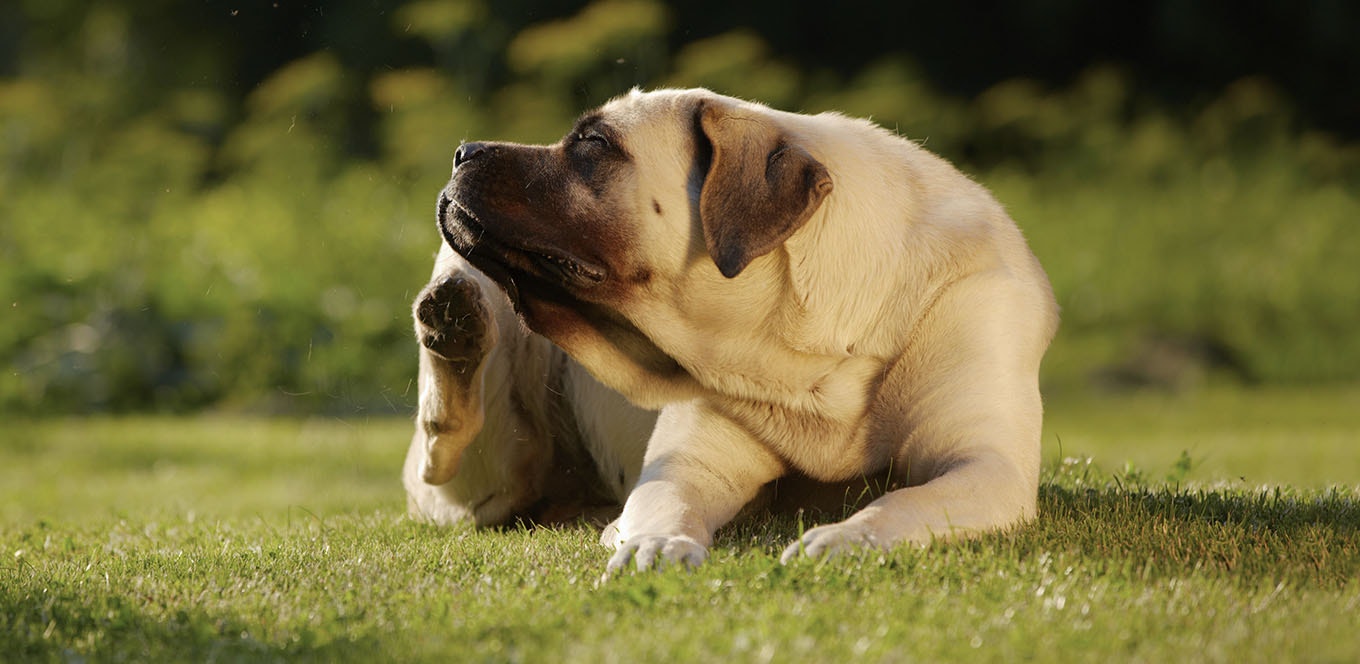
Is your dog always scratching, chewing, itching, or licking itself? Nibbling on its paws like they've been smeared with peanut butter? Although it may appear adorable at first, these are all indications that your dog is allergic.
Dog allergies are very common, and they are one of the primary causes of veterinary visits. Usually, their skin and ears are the most affected areas. Just as they are for humans, environmental and seasonal allergies can cause some discomfort and be an issue for dogs. While allergies in people tend to improve, allergies in dogs often worsen with age.
But how can you tell whether your dog is allergic to something and what's causing it? Unfortunately, correctly diagnosing these symptoms as allergies is not really simple. Your dog can't tell you what's wrong. So, it's up to you, the pet parent, to spot the signs.
The human animal isn’t the only one affected by allergies. Like you, your adult dog can suffer from allergic reactions to any number of things—in the air, on his skin, and in his food. Allergies must be diagnosed and treated by your veterinarian, but first, you must know what to look for.
Therefore, to relieve your furball from all the discomfort caused by allergies, here are some dog allergy symptoms you should watch out for:
In dogs, there are many kinds of allergies. They are:
Environmental allergens such as mold, dust, and pollen can cause severe allergies in dogs, also known as atopic dermatitis. They are triggered by elements found in your home or backyard, or wherever else your dog spends time. Dogs either ingest these allergens like pollen, or they get absorbed into their skin when they come into contact with them. Its ears and paws are the most affected regions; however, it can also affect the muzzle, wrists, ankles, eyes, underarms, crotch, and in between the toes.
An allergic reaction caused by flea bites is one of the most common dog allergies. Plus, flea saliva is also thought to be an allergen in dogs, causing extreme itching. Your dog's skin may become inflamed, red, and scabbed as a result of this, especially near the base of the tail.
Itchy skin in dogs is caused by sensitivities and food allergies. Allergenic protein sources such as beef (34%), dairy products (17%), and chicken (15%) can cause severe food allergies. However, dogs tend to develop a food allergy at any time in their lives, regardless of whether they had previously consumed any type of food from any brands.
Inhalant allergies in dogs are caused by the same common allergens that affect you—dust, grass, trees, mold, pollen, ragweed, etc. They can be seasonal or persistent and, while some breeds (especially short-snouted breeds) might experience the same sniffly, sneezy symptoms you might suffer, skin reactions are most common. Inhalant allergies often can be treated with the same medications you take, but please don’t treat your dog’s allergies without veterinary supervision.
Allergies can vary from dog to dog, so it is important that you work with your vet to make sure your dog gets the best possible treatment. You’ll both be happier for it.
Excessive itching affects the majority of dogs at some stage in their life. A dog with pruritus will bite, scratch, or lick its skin excessively. Itching is referred to as pruritus in medical terms and is one of the most common dog allergy symptoms. It is also a primary factor why dog owners seek veterinarian care.
If your dog licks its skin frequently or incessantly, especially its feet, it's a sign of allergies. The condition could be caused by irritants present in your home or while you go out for walks with your dog. However, it could also be a sign of your furball’s food allergies.
Feet chewing is another prevalent dog allergic reaction. Your dog chews its feet because of an allergy to grass or other environmental pollutants like pollen or dust mites. Inflammation and irritation occur when an allergen comes in touch with its skin. As a result, the skin in the affected area becomes unbearable, and the dog begins to gnaw.
Your dog may have an allergy if you observe it itching a lot or if you notice redness on its skin. These allergic reactions are common in all sorts of dog allergies. If they are the only symptoms you're observing in your dog, you can wait a day or two before making an appointment with your vet.
It can take a little practice to figure out different ways to help alleviate your dog's allergy issues. One effective method is to frequently bathe your dog with hypoallergenic shampoos. This will help remove allergens such as grass or pollen from your dog's body.
Flea control is also necessary to reduce allergy symptoms in a flea-allergic dog. Fleas must be inevitably treated in a dog's environment as well. Vacuum properly to eliminate the eggs and larvae, then discard the vacuum bag. Insecticides can be used both inside and outside your home to keep fleas at bay. In addition to that, hypoallergenic diets make for great dog allergy remedies. These diets contain fewer ingredients with a unique protein source, or they are processed in a specific way to reduce allergic reactions. Consult your vet for advice on the best diet for your pet. But remember that during the trial period, flavored drugs, treats, and human meals must be avoided.
The English Bulldog is a short-haired breed that sheds moderately. Although it sheds hair all year, that isn’t the only allergy issue. These dogs drool a lot, and as the saliva dries and releases proteins into the air, it might induce an allergic reaction in them.
An activated immune system in American bulldogs can cause allergies. If your dog has signs like itchy skin, redness, or licking its paws, you know that your dog is allergic.
The most prevalent dog allergies in Bichon Frises are contact allergies that develop skin problems as well as food allergies. They are also allergic to flea bites and allergens in the air, such as flowers, grass, dust, and trees.
These dogs are also susceptible to contact allergies. They are allergic reactions to objects they come into contact with, including houseplants, cleaning detergents, and even some dog shampoos. Symptoms are more likely to be seen on the skin, so look for redness, flakiness, or a rash in the paws, belly folds, and ears.
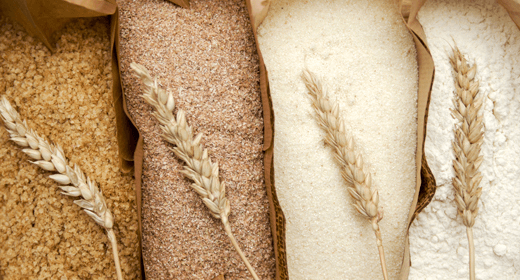
Keep an eye out for food allergies and environmental sensitivities that damage their skin. Boxers are especially sensitive to dog food that contains a lot of grains, such as wheat, or corn. Allergies from pollen, trees, dust, and weeds, can affect them at any time of year.
Mold spores are everywhere around us. When inhaled by your dog, it can cause labored breathing, wheezing, and even coughing. Dog allergies are also trigged by eating or living in a moldy home. Excessive chewing, scratching, and dry or scaly skin are some of its common symptoms.
When your dog's oil glands overproduce an oil called sebum, dandruff develops. This oil helps moisturize your adorable pup's skin and adds to its overall wellness. But, when the sebaceous glands generate too much oil, an imbalance occurs, resulting in pet dander.
When fleas feed on your dog, they inject their saliva into your dog’s skin. This saliva can cause an inflammatory reaction in your dog, causing it to excessively itch its skin.
Dust mite allergies are caused by small spider-like insects that reside in houses and consume skin dander.
Unfortunately, dog allergies are incurable and unavoidable. However, you can do things to help them manage their symptoms and suffering. To begin, you must first determine the root reason, which could be flea-related, seasonal, food-related, or something else entirely. Then, you can help your dog avoid these allergies. Keep an eye out for itches and treat them immediately to avoid irritated, infected skin and ears.
You can protect your dog from allergies by avoiding the allergens. Or else, you should regularly clean the air and other surfaces in your home. Additionally, bathing your dog with medicated shampoos for dogs with allergies can help alleviate the symptoms.
The most common dog allergies are:
Dog allergy remedies can be quite beneficial for their skin. Some of them include:
Allergies in dogs are almost always incurable. However, with the help of your veterinarian and a little patience, you can come up with a treatment and management plan that will keep your dog healthy and symptom-free.