IAMS SG
Feeding Tips for Your Teething Puppy

adp_description_block188
What to Feed a Teething Puppy?

  • Share

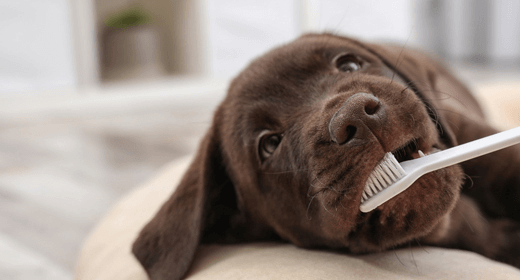
Puppies grow quickly and have special nutritional needs to keep their bodies strong. The most noticeable period of a pup’s growth phase is known as the rapid growth stage, which occurs between 2 and 6 months of age. From about 3 to 6 months, most pups will lose their puppy teeth. In fact, you might find a tooth near the feeding dish or on the floor, and this is quite normal. However, you may also be left wondering what to feed a teething puppy. This is a perfectly normal query that tends to concern a lot of pet parents. 


During the teething phase, the young pup’s mouth and gums may be very sensitive, which could cause them to be a bit picky when it comes to eating. There's nothing you can do except to wait it out, even if their appetite is low for a couple of days.

Teething puppy tips

While teething is painful for puppies, there are a few things you can do to make them feel better. Here is a quick guide for you on what to give a teething puppy in terms of food and toys:

  • Feeding a teething puppy

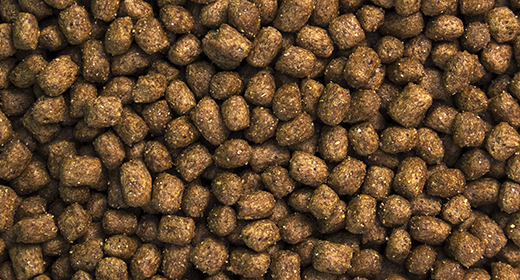
Your puppy may seem uninterested in dry food during teething. But don't switch to a new formula to stimulate your puppy's appetite. Changing food at this time can cause additional stress and intestinal upset. The tips below could help your puppy make the change:

  • Mix their regular, premium dry food with premium canned puppy food to soften the dry food and make mealtime even more appealing. Or try some moist food to help him through this sensitive period.
  • Soak dry food in warm water for 10 to 15 minutes before serving. Feeding dry food and biscuits loosens the teeth, so pups can get through the teething process quicker. If their appetite loss persists, see your veterinarian before you switch food.
  • Choosing chewing toys

Encourage your young dog to chew on toys by choosing chew toys that are appropriate for their size. Also, pick a variety of textures to keep them interested in the toys. You can also try giving them frozen toys that are shaped like a bone. Always keep an eye on the puppies while they are busy chewing the toys, to ensure they don’t bite off chunks. If that happens, do make sure to replace the toy immediately.

  • Other ways to alleviate teething pain

You can also give your puppy a clean and damp washcloth, chilled for a few hours. Chewing on this will also provide some much-needed relief. Do ensure that you supervise the puppy while they are chewing on this cloth so that they don’t ingest any sections of it.

A few other things to remember

Teething is a painful process for the puppies and can cause just as much inconvenience to the owners. Your puppy may lose their appetite and may experience a lot of pain and discomfort. But it is essential to get them through it all while also maintaining their diet. You can consult your vet for any major decisions or choices you make for your puppy during this time - the choice of toys, food, and other soothing methods. You will also have to keep constant vigilance to prevent your little companion from chewing on anything that may harm them, like shoes or the couch. These six months of the teething period may be hard, but you will certainly enjoy seeing them grow through this phase.

FAQs on teething puppies

  1. How long does teething in puppies last?
  2. The teething process for puppies may last for about six months.

  3. How can I help my puppy with teething?
  4. There are several ways through which you can help your puppies with the process of teething. Firstly, you can get safe chew toys for them. Secondly, you can help them get through the appetite loss. For this, you can prepare suitable teething puppy food by mixing regular dry food with parts of canned food. You can also soak their dry food in warm water for a few minutes. Apart from these steps, you can give your little furry friend a chilled clean and damp washcloth to chew on.

  5. What are the symptoms of a teething puppy?
  6. When your puppy is teething, you may see the following symptoms: drooling, bad breath, gum inflammation, gums bleeding, increased chewing tendency, missing teeth, and a loss of appetite.

  7. What to feed a teething puppy?
  8. Teething is painful for puppies and can cause them a lot of discomfort. Due to this, they may not feel like eating and can get even more reluctant to eat dry food. You can try giving them a mixture of their regular dry food with canned food or soaking their dry food for a few minutes before serving.

  9. What can I give my puppy for teething pain?
  10. Two things that can soothe your puppy’s teething pain and discomfort are chew toys and a chilled clean and damp washcloth.


  • Reading Your Dog's Body Language
    Reading Your Dog's Body Language

    adp_description_block43
    Understand Your Dog's Body Language

    • Share

    Dogs use a range of sounds to communicate with us and each other. Just as important is the body language they use to tell us how they feel or what they need. How well do you know your pooch’s unspoken cues? Read on to find out.


    Why do dogs stare?

    Dogs often stare at their owners because they love them. They want to make sure you’re okay or find clues for what you’ll do next — like making sure you’re not going for a car ride without them.

    We love it when dogs do this, too, which has led to this trait being even more prominent. 

    Opens a new windowDr. James Serpell, BSc, PhD, Professor of Humane Ethics & Animal Welfare at University of Pennsylvania School of Veterinary Medicine, explains: “We've selected dogs for this behavior. Humans love that dogs look up at them in admiration, intense loyalty. One frequent observation researchers have made is that people who handle wild dogs ... they don't look their handlers in the eye like domesticated dogs do.”


    Why do dogs tilt their heads?

    Dogs have great hearing. High-frequency sounds that humans can’t hear are especially interesting to them. Head-tilting helps them track down the source. Owners find these head tilts super cute and often reward this behavior, which, of course, makes them do it more.


    Why do dogs yawn?

    Dogs yawn when they’re tired, but it’s also a possible sign they’re stressed, impatient or frustrated — like when they’re in the vet’s office, or when you won’t throw that ball you’re holding already!


    Why do dogs sit on your feet?

    In a recent IAMS poll,* 90% of dog owners said their pet sits or lays on their feet and 100% of dogs said they love their owners. Dogs are very social creatures and this is a way for them to connect and be close to you. Plus, it keeps your feet warm.


    Why do dogs raise their hair?

    Often called “raised hackles,” dogs do this when they’re nervous, threatened or showing aggression. It’s an adaptation from their wild days of attempting to make themselves look bigger.


    Opens a new window Dr. Tammie King, Applied Behavior Technical Leader at Waltham Petcare Science Institute, offered this insight to keep in mind: “What’s important when talking about a dog’s body language is to not take one thing in isolation. You’re at risk of misinterpreting what the dog is trying to say to you. Context is everything.”


    So be sure to pay attention to what your dog isn’t saying to keep them healthy and happy. Serving them 

    Opens a new windowIAMS dog food every day will certainly help.


    *Surveyed U.S. dog owners, age 18+ 

    Sample Size: n=201 

    Fielded May 8 to May 10, 2020

    Reading Your Dog's Body Language
    Reading Your Dog's Body Language
    Reading Your Dog's Body Language
Close modal