IAMS SG
Feeding Tips for Your Teething Puppy

adp_description_block306
What to Feed a Teething Puppy?

  • Share

Puppies grow quickly and have special nutritional needs to keep their bodies strong. The most noticeable period of a pup’s growth phase is known as the rapid growth stage, which occurs between 2 and 6 months of age. From about 3 to 6 months, most pups will lose their puppy teeth. In fact, you might find a tooth near the feeding dish or on the floor, and this is quite normal. However, you may also be left wondering what to feed a teething puppy. This is a perfectly normal query that tends to concern a lot of pet parents. 


During the teething phase, the young pup’s mouth and gums may be very sensitive, which could cause them to be a bit picky when it comes to eating. There's nothing you can do except to wait it out, even if their appetite is low for a couple of days.

Teething puppy tips

While teething is painful for puppies, there are a few things you can do to make them feel better. Here is a quick guide for you on what to give a teething puppy in terms of food and toys:

  • Feeding a teething puppy

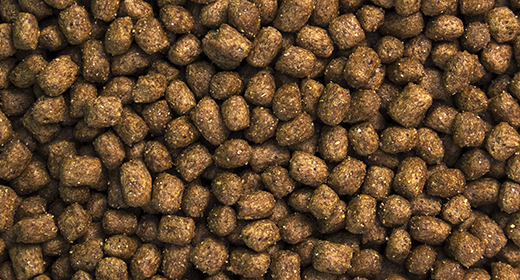
Your puppy may seem uninterested in dry food during teething. But don't switch to a new formula to stimulate your puppy's appetite. Changing food at this time can cause additional stress and intestinal upset. The tips below could help your puppy make the change:

  • Mix their regular, premium dry food with premium canned puppy food to soften the dry food and make mealtime even more appealing. Or try some moist food to help him through this sensitive period.
  • Soak dry food in warm water for 10 to 15 minutes before serving. Feeding dry food and biscuits loosens the teeth, so pups can get through the teething process quicker. If their appetite loss persists, see your veterinarian before you switch food.
  • Choosing chewing toys

Encourage your young dog to chew on toys by choosing chew toys that are appropriate for their size. Also, pick a variety of textures to keep them interested in the toys. You can also try giving them frozen toys that are shaped like a bone. Always keep an eye on the puppies while they are busy chewing the toys, to ensure they don’t bite off chunks. If that happens, do make sure to replace the toy immediately.

  • Other ways to alleviate teething pain

You can also give your puppy a clean and damp washcloth, chilled for a few hours. Chewing on this will also provide some much-needed relief. Do ensure that you supervise the puppy while they are chewing on this cloth so that they don’t ingest any sections of it.

A few other things to remember

Teething is a painful process for the puppies and can cause just as much inconvenience to the owners. Your puppy may lose their appetite and may experience a lot of pain and discomfort. But it is essential to get them through it all while also maintaining their diet. You can consult your vet for any major decisions or choices you make for your puppy during this time - the choice of toys, food, and other soothing methods. You will also have to keep constant vigilance to prevent your little companion from chewing on anything that may harm them, like shoes or the couch. These six months of the teething period may be hard, but you will certainly enjoy seeing them grow through this phase.


FAQs on teething puppies

  1. How long does teething in puppies last?
  2. The teething process for puppies may last for about six months.

  3. How can I help my puppy with teething?
  4. There are several ways through which you can help your puppies with the process of teething. Firstly, you can get safe chew toys for them. Secondly, you can help them get through the appetite loss. For this, you can prepare suitable teething puppy food by mixing regular dry food with parts of canned food. You can also soak their dry food in warm water for a few minutes. Apart from these steps, you can give your little furry friend a chilled clean and damp washcloth to chew on.

  5. What are the symptoms of a teething puppy?
  6. When your puppy is teething, you may see the following symptoms: drooling, bad breath, gum inflammation, gums bleeding, increased chewing tendency, missing teeth, and a loss of appetite.

  7. What to feed a teething puppy?
  8. Teething is painful for puppies and can cause them a lot of discomfort. Due to this, they may not feel like eating and can get even more reluctant to eat dry food. You can try giving them a mixture of their regular dry food with canned food or soaking their dry food for a few minutes before serving.

  9. What can I give my puppy for teething pain?
  10. Two things that can soothe your puppy’s teething pain and discomfort are chew toys and a chilled clean and damp washcloth.

  • How to Help Your Overweight Dog
    How to Help Your Overweight Dog

    adp_description_block128
    How to Help Your Overweight Dog

    • Share

    Obesity is a common problem in dogs, but you can help your pet lose weight. Identifying the causes and following a total weight-management program can result in controlled weight loss and maintenance. A total weight-management program includes evaluating the animal, educating the pet owner, modifying behaviors, and tailoring the program to individual situations.


    Definition and Causes of, and Contributing Factors to, Obesity in Dogs

    Obesity is defined as an increase in body weight, beyond the limitation of skeletal and physical requirements, resulting from an accumulation of excess body fat.
     

    Obesity is caused when caloric intake exceeds caloric expenditure. This simply means that a dog eats more energy (calories) than it uses and stores the excess energy as fat.
     

    There are many factors that can contribute to obesity:

    • Overfeeding
    • Inactivity
    • Breed
    • Age and gender
    • Spay/neuter status
    • Diabetes mellitus
    • Hyperadrenocorticism
    • Hypothyroidism
    • Owner's weight


    Fat, Fiber, and Fatty Acids in Your Dog’s Weight-Loss Program

    Fat

    • Dogs use fat as their primary energy source.
    • A diet that replaces some fat with highly digestible carbohydrates offers a good low-calorie alternative. Digestible carbohydrates contain fewer than one half of the calories of equal quantities of fat and do not have the disadvantages of indigestible fiber.


    Fiber and Fatty Acids

    • A normal fiber level, provided in a moderately fermentable fiber source, helps create and maintain a healthy gut. This is especially important to the dog on a weight-reduction regimen.
    • Some weight-loss products for dogs dilute calories with high levels of fiber. High-fiber foods might reduce the digestibility and absorption of many nutrients, including fat. These foods reduce weight by providing what could be considered poor-quality nutrition. These high-fiber diets also might result in large, frequent stools, and decreased skin and coat condition.
    • Diets that provide an adjusted fatty-acid profile maintain the pet's healthy skin and coat, despite lowered fat levels.


    Carbohydrates and Special Ingredients in Your Dog’s Weight-Loss Program

    Carbohydrates and Special Ingredients

    • Feeding a diet that contains the carbohydrates corn, sorghum, and/or barley can result in lower blood sugar and insulin levels as compared to feeding a diet that contains rice as the primary carbohydrate source. Lower blood sugar and insulin levels also can help with maintaining a proper weight.


    In addition, a diet that contains L-carnitine can help dogs metabolize fat. L-carnitine is a vitamin-like compound that helps burn fat.


    Weight Loss for Your Dog Should Be Gradual

    • The goal of a good weight-loss-management program should be gradual weight loss. This is especially important in cats, because severe nutrient restriction can result in hepatic lipidosis (abnormal fat accumulation in the liver).
    • Dogs should lose 1 to 2% of their initial weight per week.
    • A good way to begin a weight-loss program is to reduce caloric intake by transitioning to a weight-control or reduced-fat formula. Dogs and cats that do not respond quickly should see their veterinarian for a special weight-loss program.


    A total weight-management program can lead to successful weight reduction in the obese dog. Complete evaluation by the veterinarian is always recommended, and owner compliance is essential to success.
     

    IAMS™ and professional veterinary products provide optimum nutrition for animals that can benefit from a weight-management program.

Close modal