Puppies grow quickly and have special nutritional needs to keep their bodies strong. The most noticeable period of a pup’s growth phase is known as the rapid growth stage, which occurs between 2 and 6 months of age. From about 3 to 6 months, most pups will lose their puppy teeth. In fact, you might find a tooth near the feeding dish or on the floor, and this is quite normal. However, you may also be left wondering what to feed a teething puppy. This is a perfectly normal query that tends to concern a lot of pet parents.
During the teething phase, the young pup’s mouth and gums may be very sensitive, which could cause them to be a bit picky when it comes to eating. There's nothing you can do except to wait it out, even if their appetite is low for a couple of days.
While teething is painful for puppies, there are a few things you can do to make them feel better. Here is a quick guide for you on what to give a teething puppy in terms of food and toys:
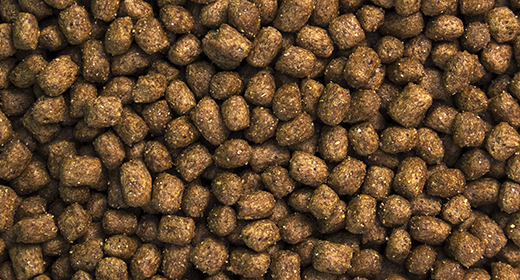
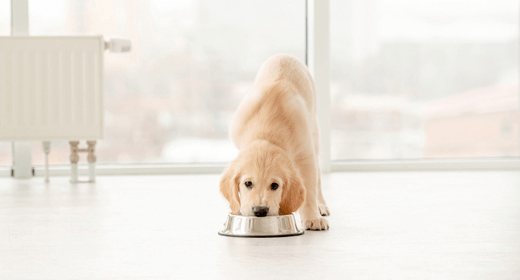
Your puppy may seem uninterested in dry food during teething. But don't switch to a new formula to stimulate your puppy's appetite. Changing food at this time can cause additional stress and intestinal upset. The tips below could help your puppy make the change:
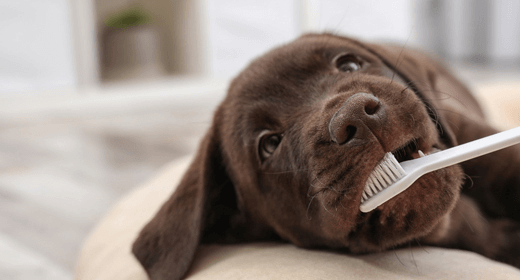
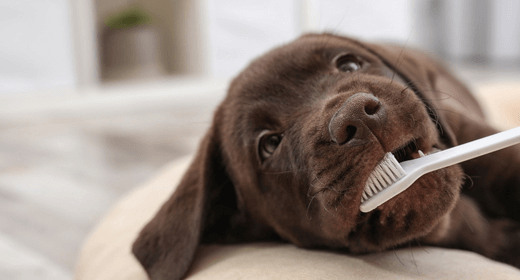
Encourage your young dog to chew on toys by choosing chew toys that are appropriate for their size. Also, pick a variety of textures to keep them interested in the toys. You can also try giving them frozen toys that are shaped like a bone. Always keep an eye on the puppies while they are busy chewing the toys, to ensure they don’t bite off chunks. If that happens, do make sure to replace the toy immediately.
You can also give your puppy a clean and damp washcloth, chilled for a few hours. Chewing on this will also provide some much-needed relief. Do ensure that you supervise the puppy while they are chewing on this cloth so that they don’t ingest any sections of it.
Teething is a painful process for the puppies and can cause just as much inconvenience to the owners. Your puppy may lose their appetite and may experience a lot of pain and discomfort. But it is essential to get them through it all while also maintaining their diet. You can consult your vet for any major decisions or choices you make for your puppy during this time - the choice of toys, food, and other soothing methods. You will also have to keep constant vigilance to prevent your little companion from chewing on anything that may harm them, like shoes or the couch. These six months of the teething period may be hard, but you will certainly enjoy seeing them grow through this phase.
The teething process for puppies may last for about six months.
There are several ways through which you can help your puppies with the process of teething. Firstly, you can get safe chew toys for them. Secondly, you can help them get through the appetite loss. For this, you can prepare suitable teething puppy food by mixing regular dry food with parts of canned food. You can also soak their dry food in warm water for a few minutes. Apart from these steps, you can give your little furry friend a chilled clean and damp washcloth to chew on.
When your puppy is teething, you may see the following symptoms: drooling, bad breath, gum inflammation, gums bleeding, increased chewing tendency, missing teeth, and a loss of appetite.
Teething is painful for puppies and can cause them a lot of discomfort. Due to this, they may not feel like eating and can get even more reluctant to eat dry food. You can try giving them a mixture of their regular dry food with canned food or soaking their dry food for a few minutes before serving.
Two things that can soothe your puppy’s teething pain and discomfort are chew toys and a chilled clean and damp washcloth.
Chicken has been a widely popular and easily accessible source of protein for humans. However, when it comes to our canine companions, the role of chicken is a topic that demands exploration. From its countless health benefits to allergic reactions and dietary sensitivities, understanding the implications of incorporating chicken into a dog's meal plan is crucial for responsible pet care. Delve into the nuances of how chicken can serve as a valuable dietary component for dogs, uncovering the dos and don'ts that can help foster a balanced and nourishing diet for our beloved four-legged friends.
The short answer is yes, chicken is good for dogs. In fact, chicken is a common ingredient in many high-quality dog foods, owing to its rich protein content and relatively low fat. It provides essential amino acids that contribute to muscle development and overall health. However, it is crucial to prepare chicken appropriately for your furry friend as certain seasonings or cooking methods might be harmful.
While dogs are known to be natural carnivores, the consumption of raw chicken raises concerns. Raw chicken can potentially contain harmful bacteria such as salmonella or listeria, which pose health risks for dogs, just as they do for humans.
The consumption of raw chicken might lead to foodborne illnesses and digestive issues, causing vomiting, diarrhoea, or even more severe complications. Therefore, it is generally advised to thoroughly cook chicken before feeding it to your dog, eliminating any potential bacteria and making it safe for consumption.
While the appeal of a raw diet for dogs is gaining traction, the dangers of raw chicken consumption remain a significant concern:
Although rare, some dogs can develop allergies to chicken, resulting in various symptoms such as itching, skin irritation, gastrointestinal upset, and even respiratory issues. Chicken allergies in dogs are typically a response to specific proteins.
Dogs are omnivores, and aside from chicken, they can safely consume various other types of meat as part of a balanced diet.
Considering the risks associated with raw chicken consumption and potential allergies in dogs, seeking veterinary guidance is highly recommended. If your dog exhibits symptoms of an allergic reaction or has consumed raw chicken, a visit to the vet is crucial.
A veterinarian can conduct a thorough examination to identify the nature and severity of the allergic response and provide appropriate treatment options. Additionally, they can address any potential complications resulting from bacterial contamination, including gastrointestinal distress or other related health issues. Early intervention by a qualified veterinary professional can help mitigate the risks associated with food allergies and ensure the well-being of your canine companion.
Remember, the expertise of a veterinarian is essential, especially when it comes to handling food-related concerns. Seeking their advice and treatment can help safeguard your dog's health and prevent any further complications. Prioritising your dog's health and well-being through professional veterinary care can contribute significantly to their overall quality of life and long-term wellness.