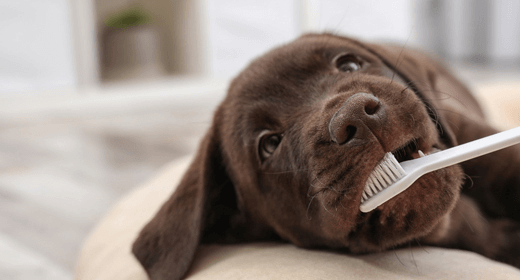
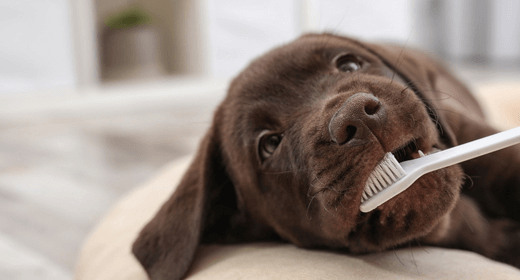
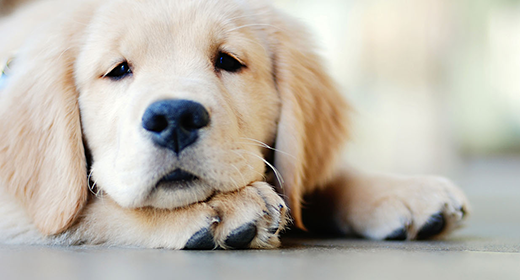
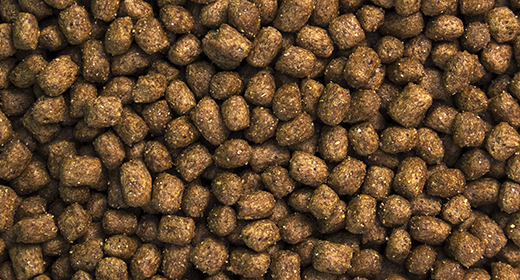
Puppies grow quickly and have special nutritional needs to keep their bodies strong. The most noticeable period of a pup’s growth phase is known as the rapid growth stage, which occurs between 2 and 6 months of age. From about 3 to 6 months, most pups will lose their puppy teeth. In fact, you might find a tooth near the feeding dish or on the floor, and this is quite normal. However, you may also be left wondering what to feed a teething puppy. This is a perfectly normal query that tends to concern a lot of pet parents.
During the teething phase, the young pup’s mouth and gums may be very sensitive, which could cause them to be a bit picky when it comes to eating. There's nothing you can do except to wait it out, even if their appetite is low for a couple of days.
While teething is painful for puppies, there are a few things you can do to make them feel better. Here is a quick guide for you on what to give a teething puppy in terms of food and toys:
Your puppy may seem uninterested in dry food during teething. But don't switch to a new formula to stimulate your puppy's appetite. Changing food at this time can cause additional stress and intestinal upset. The tips below could help your puppy make the change:
Encourage your young dog to chew on toys by choosing chew toys that are appropriate for their size. Also, pick a variety of textures to keep them interested in the toys. You can also try giving them frozen toys that are shaped like a bone. Always keep an eye on the puppies while they are busy chewing the toys, to ensure they don’t bite off chunks. If that happens, do make sure to replace the toy immediately.
You can also give your puppy a clean and damp washcloth, chilled for a few hours. Chewing on this will also provide some much-needed relief. Do ensure that you supervise the puppy while they are chewing on this cloth so that they don’t ingest any sections of it.
Teething is a painful process for the puppies and can cause just as much inconvenience to the owners. Your puppy may lose their appetite and may experience a lot of pain and discomfort. But it is essential to get them through it all while also maintaining their diet. You can consult your vet for any major decisions or choices you make for your puppy during this time - the choice of toys, food, and other soothing methods. You will also have to keep constant vigilance to prevent your little companion from chewing on anything that may harm them, like shoes or the couch. These six months of the teething period may be hard, but you will certainly enjoy seeing them grow through this phase.
The teething process for puppies may last for about six months.
There are several ways through which you can help your puppies with the process of teething. Firstly, you can get safe chew toys for them. Secondly, you can help them get through the appetite loss. For this, you can prepare suitable teething puppy food by mixing regular dry food with parts of canned food. You can also soak their dry food in warm water for a few minutes. Apart from these steps, you can give your little furry friend a chilled clean and damp washcloth to chew on.
When your puppy is teething, you may see the following symptoms: drooling, bad breath, gum inflammation, gums bleeding, increased chewing tendency, missing teeth, and a loss of appetite.
Teething is painful for puppies and can cause them a lot of discomfort. Due to this, they may not feel like eating and can get even more reluctant to eat dry food. You can try giving them a mixture of their regular dry food with canned food or soaking their dry food for a few minutes before serving.
Two things that can soothe your puppy’s teething pain and discomfort are chew toys and a chilled clean and damp washcloth.
Between 25 and 40% of dogs are overweight, but often, owners don't know it until they take their dog to the veterinarian for another reason. Yet, even veterinarians can't tell if a dog is fat just by its weight. Ideal weight varies by breed, and quite widely within breeds. There's no ideal weight chart for all dogs!
You can judge your dog's condition by placing your hands on each side of his rib cage. Are the ribs protruding? Your dog may be too thin. Can you feel individual ribs easily, and is your dog's abdomen slightly tucked up when viewed from the side? That's the sign of ideal weight. If you can't feel the ribs easily, your dog has no waist, and his abdomen drags, he's too fat. Your veterinarian can help you further evaluate your dog's weight.
Before beginning any weight loss program with your dog, discuss it with your veterinarian.
You can begin your dog's weight-loss program by reducing caloric intake by 25% of his maintenance intake, and then decrease it by 10% increments every two to three weeks until a 1% weight loss per week is achieved. This means that, if your dog weighs 15 pounds, a 1% loss would be about 2-1/2 ounces.
If you feed one large meal a day or keep food available at all times, try dividing the daily ration into several small meals (at least two meals a day) and pick up what has not been eaten 30 minutes after each meal.
Dogs gain weight for the same reason that people do—they eat more calories than they use. Today's dogs share another problem with their parents: lack of activity. Most parents are gone all day and come home too tired to play with the dog.
Also, as dogs age, or after they are spayed or neutered, their metabolism might slow causing them to require less food.
Another reason for weight gain is frequent, high-calorie treats. Sometimes, more than one family member is feeding the dog, and the dog sure isn't telling!
Losing weight isn't easy. Changing habits is the key. Here are some ways you can help:
Determine who feeds the dog what and when. (Don't be embarrassed to admit you give your dog treats. Dogs are expert beggars.)
Substitute affection for treats. Give a pat or throw a ball when he noses your hand.
Take your dog for a walk more often. Even 10 minutes a day can help.
Feed him more often. It takes energy to digest food. Dividing your dog's daily ration into two or three feedings will help.
Reducing your dog's regular food amount by 25% should bring results.
If your dog is more than 15% overweight, your veterinarian might recommend a special food. Diet foods should be low in fat (under 20% of calories from fat).
Your goal is to help your dog be healthier, so select his food carefully. Some diet foods just add fiber to help the dog feel full. This can result in reduced digestibility, large stool volume, frequent trips to the backyard, and decreased skin and coat condition because the dog isn't getting enough fat and nutrients.
Find a food, such as IAMS™ ProActive Health™ Adult Healthy Weight, that has normal fiber levels to keep your dog's digestive system working properly. It should have high-quality protein so your dog doesn't lose muscle tone and essential fatty acids to help keep his skin flexible and coat glossy throughout the dieting process. After your dog reaches ideal weight, select a maintenance food to keep weight steady.
Obesity is a common problem in dogs. Identifying the causes and following a total weight management program can result in controlled weight loss and maintenance. A total weight management program includes evaluating your dog, then modifying behaviors and successful dog weight control.
Definition of obesity
Obesity is defined as an increase in body weight beyond the limitation of skeletal and physical requirements, resulting from an accumulation of excess body fat.
Causes of obesity
Obesity is caused when caloric intake exceeds caloric expenditure. This simply means that a dog eats more energy (calories) than he uses and stores the excess energy.
Factors contributing to obesity
Fat and carbohydrates
Dogs use fat as their primary energy source. An overweight dog stores fat more easily if the calories are consumed in the form of fat than if they are from carbohydrates. An overweight or obese dog should be fed a low-fat, high-carbohydrate diet to restrict calories available from fat, which is important for dog weight control.
Fiber and fatty acids
A normal fiber level, provided in a moderately fermentable fiber source, helps create and maintain healthy digestion. This is especially important for the dog on a diet. Some weight-loss foods for dogs dilute calories with high levels of fiber. High-fiber foods may reduce the digestibility and absorption of many nutrients, including fat. These foods reduce weight by providing what would be considered poor-quality nutrition. These high-fiber diets also result in large, frequent stools and decreased skin and coat condition. Dog foods such as IAMS™ ProActive Health™ Adult Weight Control, which provide essential fatty acids like those found in vitamin-rich fish oils, help maintain your dog's healthy skin and coat despite lowered fat levels.
Gradual Weight Loss
The goal of a good weight management program should be gradual weight loss. Dogs should lose 1% to 2% of their initial weight per week. This can be achieved by reducing the caloric intake by 30% to 50% of maintenance.
A total weight management program can lead to successful weight loss in the obese dog. Before beginning any weight-loss program with your dog, discuss it with your veterinarian. Remember, your support is essential to your dog's weight-control success.