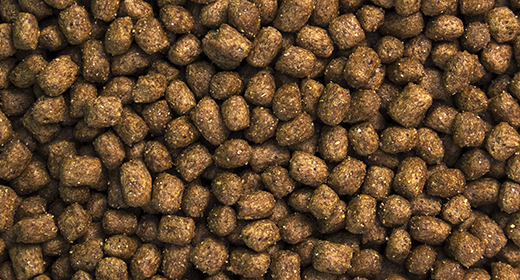
Welcome to our pet care blog, where we delve into the intricacies of fostering the well-being of our four-legged friends. In this edition, we shine a spotlight on a fundamental aspect of puppy care—nutrition. As conscientious pet owners, understanding the role of vitamins in the early stages of a puppy's life is essential for promoting robust health and vitality. In this blog, we study the key nutrients that contribute to the overall development of our furry companions.
Vitamins for puppies
During the crucial phases of growth and development, puppies have distinct nutritional needs, and vitamins play a pivotal role in ensuring they thrive. If you are looking for vitamins for puppies in the Philippines, IAMS has you covered with some of the best puppy vitamins in their range of dog supplements.
From supporting bone formation to bolstering their immune systems, each puppy multivitamin contributes uniquely to a puppy’s well-being. A well-balanced diet is paramount for setting the stage for a lifetime of happiness and vitality. Next, let us uncover the essential components that will help you make informed choices to ensure your puppy receives the nutrients necessary for a healthy and vibrant start to life.
Are vitamins good for puppies?
Puppy vitamins are essential for the health and development of puppies, just as they are for humans. While a balanced diet is crucial, factors such as rapid growth and specific life stages may necessitate additional vitamin support. In the following section, we will explore the importance of vitamins tailored to the unique needs of puppies, examining how these nutrients contribute to their overall well-being. Understanding the role of vitamins in a puppy's diet can guide pet owners in providing the best possible start for their young companions.
Benefits of vitamins for puppies
Ensuring your puppy gets the right vitamins is not just about being a nutrition expert, it is about setting the stage for a life filled with tail wags and playful antics. From bone development to a glossy coat, these little powerhouses contribute to your pup's well-being in a big way. Below is a break down the perks with a quick list of pointers that highlight how vitamins can make your puppy's world a whole lot brighter:
Essential vitamins, such as vitamin D and calcium, play a pivotal role in bone development, ensuring that puppies develop strong and healthy skeletal structures during their rapid growth phases. Proper bone formation not only supports their current well-being but lays the groundwork for a lifetime of agility and mobility.
Vitamins like vitamin C and vitamin E contribute to a robust immune system, helping puppies defend against infections and illnesses as they encounter new environments and experiences. A strengthened immune system provides a crucial defence mechanism, aiding in the puppy's ability to adapt and thrive.
B vitamins, particularly B12 and folate, are crucial for neurological development. These vitamins support cognitive function, aiding in the formation of a puppy's developing brain and nervous system. An enriched cognitive foundation sets the stage for improved learning, memory, and overall mental acuity.
Vitamins A and E are essential for maintaining healthy skin and a glossy coat. These vitamins contribute to skin cell integrity and help prevent issues such as dryness and flakiness. A radiant coat not only enhances a puppy's appearance but is indicative of their overall health.
B-complex vitamins, including B1, B2, and B6, are vital for energy metabolism. They help convert food into energy, ensuring that puppies have the stamina and vitality needed for their playful and active lifestyles. A well-regulated energy metabolism supports sustained playfulness and optimal physical activity levels.
Vitamins A and C are critical for maintaining good eyesight. The best puppy vitamins contribute to the health of the eyes and can prevent issues related to vision as puppies grow. Clear and healthy vision is essential for puppies as they explore their surroundings, promoting confidence and safety in their environment.
Adequate vitamin intake supports the overall health and vitality of puppies, promoting a strong foundation for a lifetime of well-being. A balanced vitamin profile ensures that puppies can thrive and enjoy a high quality of life from their early stages onward, setting the stage for a happy and healthy companionship.
Puppy vitamins are like the superheroes of a puppy's well-being. From building strong bones to giving their immune system a boost, these little nutrients play a big role in keeping our furballs healthy and happy.
So, the next time you are picking up doggy treats or deciding on their dinner, remember the power of those vitamins, because a well-fed puppy is a puppy ready for all the belly rubs and adventures you can throw its way.