What is bloat in dogs?
Bloat is a life-threatening condition that acts rapidly and can lead to death within hours if not recognized and treated immediately. Unfortunately, the cause of bloat remains unknown at this time.
The scientific term for bloat is gastric dilatation-volvulus or GDV. Bloat is characterized by rapid and abnormal expansion of the stomach with gas (dilatation). This can be followed by rotation of the stomach (volvulus). This rotation closes both the entry to and exit from the stomach. The blood vessels also are closed down, and blood flow is restricted.
What follows is an increase in pressure inside the stomach and compression of the surrounding organs. Eventually, shock will occur as a result of the restricted blood flow. Here are a few key facts about bloat:
- Bloat should always be treated as a medical emergency.
- Bloat can kill a dog within hours after onset.
- The cause of bloat is unknown.
- Bloat can occur in dogs of any age.
- Certain breeds are more susceptible to bloat, particularly deep-chested dogs.
- The stomach rapidly expands with gas then rotates on the long axis. Entry to and exit from the stomach is prohibited, causing blood vessels to close and restriction of blood flow.
Symptoms of bloat in dogs
Bloat is a true medical emergency, and early identification and treatment is critical to survival.
In the early stages of bloat, the dog will be very uncomfortable. You might see him pacing and whining or trying unsuccessfully to get into a comfortable position. He might seem anxious, might lick, or keep staring at his stomach, and might attempt to vomit, without success.
Other indications of bloat can include weakness, swelling of the abdomen, and even signs of shock. Signs of shock are increased heart rate and abnormally rapid breathing.
If you notice these signs of bloat in dogs, call your veterinarian immediately!
- Whining
- Inability to get comfortable
- Pacing or restlessness
- Pale gums
- Unproductive attempts to vomit
- Abnormally rapid breathing
- Increased heart rate
- Anxiety
- Pain, weakness
- Swelling of the abdomen (particularly the left side).
Other Symptoms of Bloat in Dogs Include:
This occurs due to gas getting trapped in the stomach region.
Gastrointestinal problems in dogs can cause excessive salivation, including esophageal diseases like megaesophagus.
Pacing and restlessness are typical signs of bloating. Your dog may even groan or whine when you press on their belly.
An abnormal swelling due to gas in your dog’s stomach can also cause respiratory distress along with a twisted belly.
Bloating can put strain on the diaphragm, a delicate muscle that divides the chest from the abdomen. This ends up making heartbeats shorter and breathing difficult.
Causes of Bloating
Although veterinarians don't know what causes bloat in dogs, there are numerous factors that increase a dog's risk for this condition. These include:
- Having one large meal per a day instead of eating frequent, smaller meals
- Overeating and drinking too quickly
- Experiencing a tough and stressful situation, such as a boarding kennel or visits to the veterinarian
- Excessive running or playing immediately after a meal
Helping Prevent Bloat
These suggestions could help you prevent bloat in your dog. However, they are based on suspected risk factors and are not guaranteed to prevent the onset of bloat.
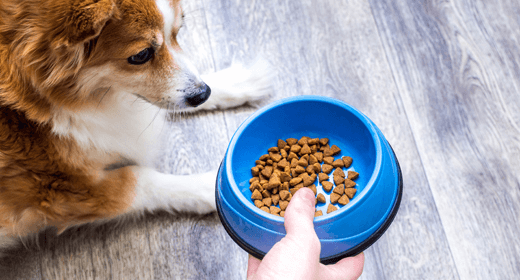
- Feed small amounts of food frequently, two to three times daily.
- Avoid exercise for one hour before and two hours after meals.
- Don't let your dog drink large amounts of water just before or after eating or exercise.
- If you have two or more dogs, feed them separately to avoid rapid, stressful eating.
- If possible, feed at times when after-feeding behavior can be observed.
- Avoid abrupt diet changes.
- If you see signs of bloat, call your veterinarian immediately.
Is Bloating Curable?
All cases of bloat in dogs require prompt medical intervention. The condition can be treated if it gets addressed quickly. In case of a simple bloat where the dog's stomach has not twisted, the pet may be treated without any medication. They may be given fluids and certain therapies. If discovered in its early stages, other types of bloats such as GDV, may also be treatable. Surgical intervention may also be used for treatment in certain cases.
Other Options to Treat Bloat in Dogs
Releasing the trapped air and gas will relieve pressure on the surrounding organs and prevent the stomach's tissue from degenerating. A tube and stomach pump can be used for this, although surgery may be required on occasion. This can aid in stomach unwinding or curing GDV in dogs.
Additionally, electrolyte-fortified intravenous fluids are also administered to improve blood flow to vital organs. In many cases, this necessitates the use of potent painkillers, antibiotics, and medications to treat the decrease of blood supply to the heart that has been brought on by bloat.
As soon as the dog is steady, surgery is carried out. Your veterinarian may need to untwist the dog's stomach and remove any stomach wall tissue that might have died from a lack of blood supply. The veterinarian will also perform a treatment known as a gastropexy to suture the stomach to the body wall. As a result, the likelihood of the stomach rotating in the future is greatly decreased, thus preventing bloat in dogs.
Digestible Foods
Another way you might help prevent bloat is to feed a high-quality, highly digestible food with normal fiber levels.
Feeding management offers the best method available for reducing risk until the exact cause of bloat can be identified. Although not 100% effective, these measures can reduce the number of dogs that face this serious, life-threatening condition.
High-Risk Breeds
- German Shepherd
- Bouvier de Flandres
- Great Dane
- Boxer
- St. Bernard
- Doberman Pinscher
- Bloodhound
- German Shorthaired Pointer
- Irish Setter
- Gordon Setter
- Borzoi
- Irish Wolfhound
- Dachshund
- Labrador Retriever
- Basset Hound