Enter a keyword below to search for articles and products.
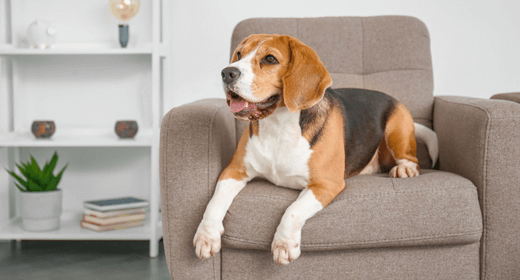
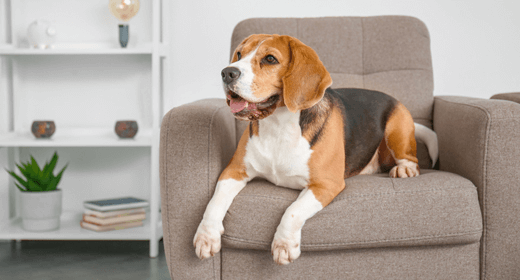
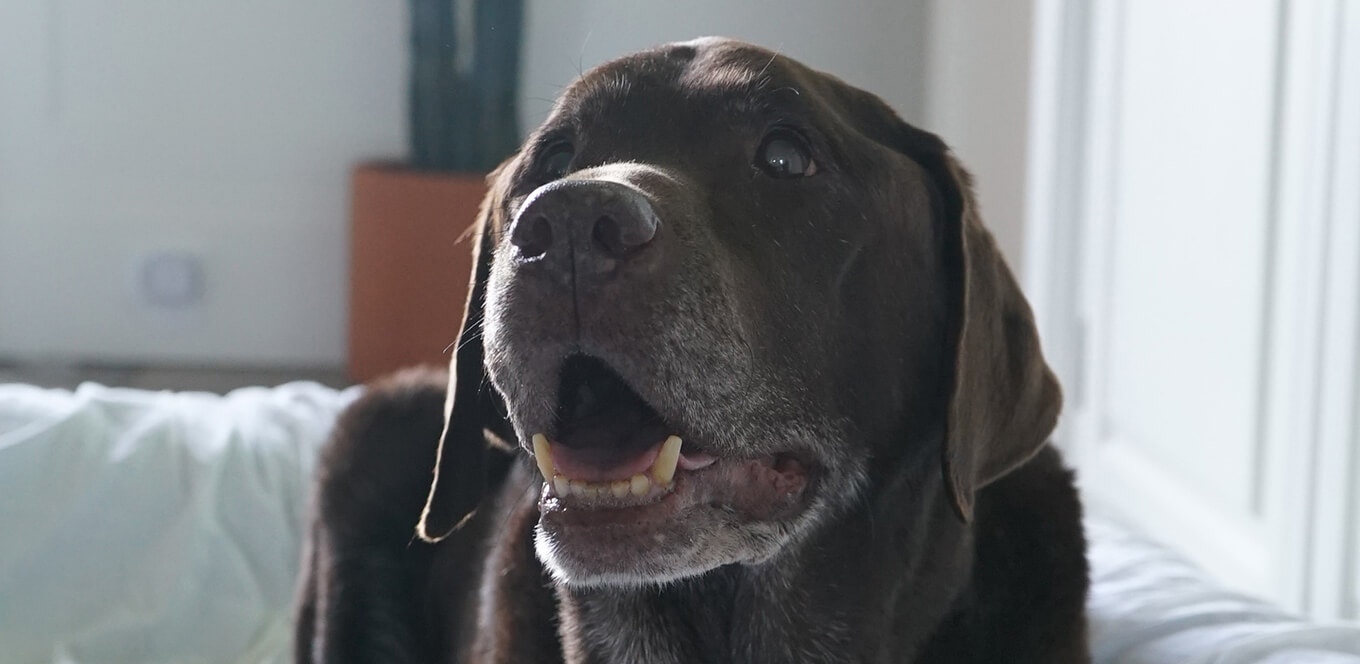
Between 25 and 40% of dogs are overweight, but often, owners don't know it until they take their dog to the veterinarian for another reason. Yet, even veterinarians can't tell if a dog is fat just by its weight. Ideal weight varies by breed, and quite widely within breeds. There's no ideal weight chart for all dogs!
You can judge your dog's condition by placing your hands on each side of his rib cage. Are the ribs protruding? Your dog may be too thin. Can you feel individual ribs easily, and is your dog's abdomen slightly tucked up when viewed from the side? That's the sign of ideal weight. If you can't feel the ribs easily, your dog has no waist, and his abdomen drags, he's too fat. Your veterinarian can help you further evaluate your dog's weight.
Before beginning any weight loss program with your dog, discuss it with your veterinarian.
You can begin your dog's weight-loss program by reducing caloric intake by 25% of his maintenance intake, and then decrease it by 10% increments every two to three weeks until a 1% weight loss per week is achieved. This means that, if your dog weighs 15 pounds, a 1% loss would be about 2-1/2 ounces.
If you feed one large meal a day or keep food available at all times, try dividing the daily ration into several small meals (at least two meals a day) and pick up what has not been eaten 30 minutes after each meal.
Dogs gain weight for the same reason that people do—they eat more calories than they use. Today's dogs share another problem with their parents: lack of activity. Most parents are gone all day and come home too tired to play with the dog.
Also, as dogs age, or after they are spayed or neutered, their metabolism might slow causing them to require less food.
Another reason for weight gain is frequent, high-calorie treats. Sometimes, more than one family member is feeding the dog, and the dog sure isn't telling!
Losing weight isn't easy. Changing habits is the key. Here are some ways you can help:
Determine who feeds the dog what and when. (Don't be embarrassed to admit you give your dog treats. Dogs are expert beggars.)
Substitute affection for treats. Give a pat or throw a ball when he noses your hand.
Take your dog for a walk more often. Even 10 minutes a day can help.
Feed him more often. It takes energy to digest food. Dividing your dog's daily ration into two or three feedings will help.
Reducing your dog's regular food amount by 25% should bring results.
If your dog is more than 15% overweight, your veterinarian might recommend a special food. Diet foods should be low in fat (under 20% of calories from fat).
Your goal is to help your dog be healthier, so select his food carefully. Some diet foods just add fiber to help the dog feel full. This can result in reduced digestibility, large stool volume, frequent trips to the backyard, and decreased skin and coat condition because the dog isn't getting enough fat and nutrients.
Find a food, such as IAMS™ ProActive Health™ Adult Healthy Weight, that has normal fiber levels to keep your dog's digestive system working properly. It should have high-quality protein so your dog doesn't lose muscle tone and essential fatty acids to help keep his skin flexible and coat glossy throughout the dieting process. After your dog reaches ideal weight, select a maintenance food to keep weight steady.
Obesity is a common problem in dogs. Identifying the causes and following a total weight management program can result in controlled weight loss and maintenance. A total weight management program includes evaluating your dog, then modifying behaviors and successful dog weight control.
Definition of obesity
Obesity is defined as an increase in body weight beyond the limitation of skeletal and physical requirements, resulting from an accumulation of excess body fat.
Causes of obesity
Obesity is caused when caloric intake exceeds caloric expenditure. This simply means that a dog eats more energy (calories) than he uses and stores the excess energy.
Factors contributing to obesity
Fat and carbohydrates
Dogs use fat as their primary energy source. An overweight dog stores fat more easily if the calories are consumed in the form of fat than if they are from carbohydrates. An overweight or obese dog should be fed a low-fat, high-carbohydrate diet to restrict calories available from fat, which is important for dog weight control.
Fiber and fatty acids
A normal fiber level, provided in a moderately fermentable fiber source, helps create and maintain healthy digestion. This is especially important for the dog on a diet. Some weight-loss foods for dogs dilute calories with high levels of fiber. High-fiber foods may reduce the digestibility and absorption of many nutrients, including fat. These foods reduce weight by providing what would be considered poor-quality nutrition. These high-fiber diets also result in large, frequent stools and decreased skin and coat condition. Dog foods such as IAMS™ ProActive Health™ Adult Weight Control, which provide essential fatty acids like those found in vitamin-rich fish oils, help maintain your dog's healthy skin and coat despite lowered fat levels.
Gradual Weight Loss
The goal of a good weight management program should be gradual weight loss. Dogs should lose 1% to 2% of their initial weight per week. This can be achieved by reducing the caloric intake by 30% to 50% of maintenance.
A total weight management program can lead to successful weight loss in the obese dog. Before beginning any weight-loss program with your dog, discuss it with your veterinarian. Remember, your support is essential to your dog's weight-control success.
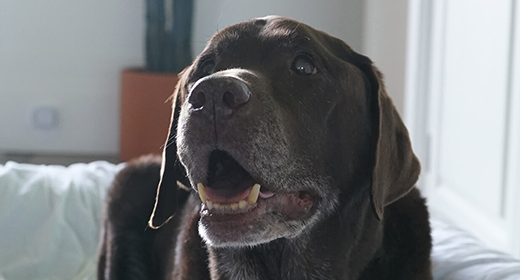
In the past, veterinarians recommended diets for senior dogs largely based on the nutritional management of diseases common to the aging process. Research, however, has shown that special nutrition can help manage body-condition problems in aging dogs, such as obesity and loss of muscle mass. Senior dogs also benefit from special nutrition to help maintain bone and joint health.
Learn more about how you can help your senior dog manage common health issues associated with aging.
Senior dogs tend to gain weight, despite consuming fewer calories, due to changes in their metabolic rate. Therefore, they can benefit from eating a diet with reduced fat levels and lower caloric density than adult maintenance foods.
Recent IAMS™ research in dogs also indicates that L-carnitine — a vitamin-like compound made in the body from the amino acids found in red meats, fish, chicken and milk — can help reduce weight in overweight dogs by escorting fat into cellular mitochondria where it is turned into energy.
Protein is the building block of muscle tissues. It is important for maintenance of muscle tissues, muscle strength and mobility. Recent research conducted by The IAMS Company has shown that senior dogs that eat a higher-protein diet better maintain muscle protein stores. By providing optimal protein levels from muscle maintenance, we can help senior dogs continue being physically active.
This research is contrary to conventional opinion that senior dog foods should contain lower protein levels than adult maintenance formulas to avoid progressive decrease in kidney function. However, senior dogs fed a high-protein diet had stable renal function and a lower death rate than dogs fed a lower-protein diet.*
During the aging process, cartilage between joints often begins deteriorating. Nutritional management can help maintain healthy bones and joints and mobility in dogs in several ways:
Some pet-food manufacturers have endorsed reduced levels of calcium and phosphorus based on the belief that excesses of these minerals are harmful to the kidneys. However, research has shown that no damaging accumulation of calcium or phosphorus was found in the kidneys of older dogs fed diets containing maintenance levels of calcium and phosphorus for four years.*
* Finco, DR. “Effects of aging and dietary protein intake of uninephrectomized geriatric dogs.” American Journal of Veterinary Research; Vol. 55, No. 9. Sept. 1994.