Enter a keyword below to search for articles and products.
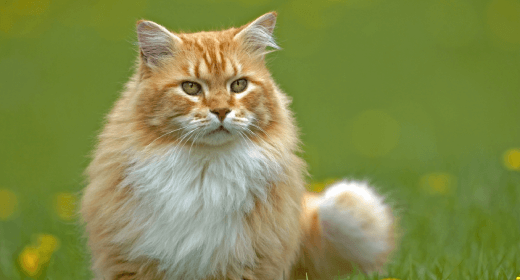
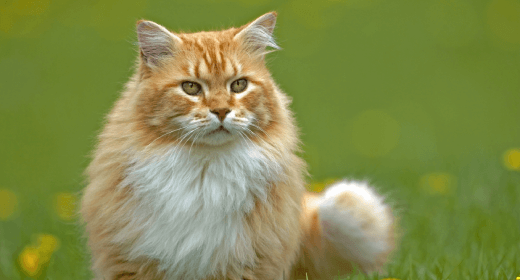
Nutrients such as protein, fat, vitamins, and minerals are important players in the skin and coat health of dogs and cats. To understand their role, it is necessary to first understand skin and hair.
The purpose of skin and hair is to block things (such as water or heat) from leaving, or things (such as viruses and bacteria) from entering the body.
The hair coat is composed almost entirely of protein. If an animal's diet doesn't contain adequate protein quantity and quality, hair may fall out, or become dry, weak, and brittle.
Skin is made up of squamous cells, which are flat cells tightly packed together. These cells have tough membranes that are composed of proteins and fats. Without proper amounts of these nutrients, cell membranes weaken, allowing water to escape and bacteria and viruses to enter more easily.
Proteins are found in both animal-based and plant-based ingredients. Animal-based proteins contain all the essential amino acids cats need, whereas plant-based proteins may contain only some essential amino acids. Cats need animal-based proteins to achieve optimal health.
Fats also can be found in both animal-based and plant-based ingredients, and they are incorporated into skin cells as fatty acids. There are two essential fatty acids for skin and coat health. Linoleic acid maintains skin and coat condition in dogs and cats. Without enough linoleic acid cats may experience dull, dry coat, hair loss, greasy skin and increased susceptibility to skin inflammation. Cats also require arachidonic acid for normal skin and coat health.
Both of these essential fatty acids are omega-6 fatty acids and are found in animal tissues such as chicken fat. Linoleic acid is also found in some vegetable oils, such as corn and soybean oils. Most commercial cat diets contain more than adequate amounts of omega-6 fatty acids.
Because these fatty acids can be converted to compounds that increase susceptibility to skin inflammation, it is important to balance the amount of omega-6 fatty acids in the diet with omega-3 fatty acids, which do not reduce susceptibility to inflammation.
Omega-3 fatty acids are found in oils from fish and some plants (canola and flax).
IAMS™ research has found that combining fat sources in the diet at a ratio of five to 10 omega-6 fatty acids to one omega-3 fatty acid results in excellent skin and coat health.
Vitamins and minerals are essential for the development of healthy skin and hair coat. The best way to provide these nutrients is through a complete and balanced diet containing appropriate amounts of essential vitamins and minerals rather than through supplements.
| Vitamin or Mineral | Important for Skin and Coat Health |
|---|---|
| Vitamin A | Necessary for growth and repair of skin |
| Vitamin E | Protects skin cells from oxidant damage |
| Biotin | Aids in the utilization of protein |
| Riboflavin (B2) | Necessary for fat and protein metabolism |
| Zinc | Necessary for fat and protein metabolism |
| Copper | Involved in tissue, pigment, and protein synthesis |
Diet is often believed to be a factor when changes in skin and coat condition are noticed. The most common causes of these changes, however, are season and life stage.
As cold weather approaches, most dogs and cats grow a thick coat to help keep heat in and cold air out. As the weather begins to warm up, they shed the thick, heavy coat.
Most kittens are born with soft, fuzzy hair, but as they age, a coarser coat grows. Pregnant or lactating cats also may experience a change in coat condition or hair loss.
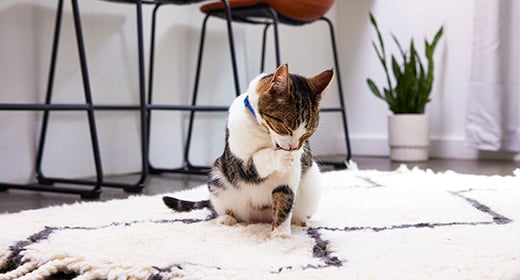
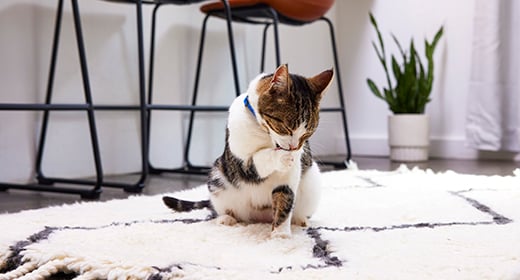
New cat parents often are unaware of the FVRCP vaccine and why it is essential to get their cats vaccinated for it. FVRCP vaccine stands for Feline Viral Rhinotracheitis, Calicivirus, and Panleukopenia, and it is one of the core vaccines recommended for all cats. Feline rhinotracheitis is an infection that causes flu-like symptoms in cats. While this infection is common in outdoor cats, it can find its way to indoor cats as well. Calicivirus develops mouth ulcers and inflammation while panleukopenia attacks the cat’s immune system, putting its life in lethal danger. Hence, protecting your indoor kitty from these harmful viruses is essential for maintaining their overall health.
That’s where the FVRCP vaccine for kittens and cats comes into picture. It protects our feline creatures from three life-threatening viruses – feline viral rhinotracheitis, calicivirus, and panleukopenia. But before you get your fur baby vaccinated, let’s take a look at some important information about FVRCP vaccines for cats.
Although we know the FVRCP vaccine is crucial for a cat’s well-being, it is also necessary to know when and how to get your kitty inoculated with this combination vaccine. Given below are some essential details related to the FVRCP vaccine for cats that every cat parent should know about:
FVR is caused by the FVH-1 virus. It is one of the most fatal infections that a cat can contract. The FVRCP vaccine is a core vaccine for preventing rhinotracheitis in cats. Feline viral rhinotracheitis is a highly infectious illness that causes symptoms ranging from sneezes and conjunctivitis to fever and lethargy. It spreads through bodily fluids like saliva as well as eyes and nose discharge of infected cats. If not detected and treated in time, FVR in cats can prove fatal. The FVRCP vaccine will ensure that your pet develops immunity against feline rhinotracheitis.
Like feline rhinotracheitis, feline calicivirus (FCV) is another deadly virus in cats. This virus typically attacks the cat’s respiratory tract and oral organs. Calicivirus symptoms can range from upper respiratory tract diseases to mouth ulcers and inflammations. If you observe any signs of calicivirus in your indoor cat, take it to the vet immediate as you should start medication at the earliest. However, it is always better to keep such daunting health issues at bay through vaccination, and the FVRCP vaccine acts as an effective preventive measure.
Abbreviated as FPV, feline panleukopenia is a highly contagious virus that attacks the immune system of cats. It presents symptoms like fever, vomiting, and anorexia. Unlike feline viral rhinotracheitis, which causes flu-like symptoms or calicivirus which causes mouth ulcers and eye infections, FPV attacks the bone marrow and the lymph nodes. And this further decreases the white blood cell count in cats. With FVRCP vaccination, you can prepare your purrfect pal to combat this deadly virus.
Core vaccines are a must for all cats as they equip our feline creatures to fight off some of the most infectious and fatal viruses. FVRCP vaccine is one such core preventive measure besides anti-rabies vaccine for cats. FVR, FCV, and FPV are some of the most contagious viruses that easily spread through the body fluids of infected animals. Vaccinating your kitty with FVRCP enables its body to prepare antigens against these fatal viruses. Hence, FVRCP is said to be one of the core vaccines for cats.
Kittens are inoculated with the FVRCP vaccine every three to four weeks between the ages of 16 to 20 weeks. Booster shots are needed to ensure that the cat’s immune system is completely ready to recognise the vaccine components. These jabs also ascertain that the kitten's immunity is strong enough to combat these four deadly viruses as they age. The kitty should receive a final dose of FVRCP after it turns a year old. Post this, you should revaccinate your feline friend every three years to keep its immunity intact. Please note, the FVRCP vaccine cost depends on the brand you choose to inoculate your pet.
However, before scheduling an appointment for FVRCP vaccination, you must ask the following questions to your veterinarian.
What are the side effects of FVRCP and how soon do they wear off?
How to care for the kitty post-vaccination?
How many booster shots will the kitty need based on its lifestyle, age, and breed?
FVRCP vaccine cost.
The FVRCP vaccine might cause some discomfort and minor side effects. While minor symptoms are common, it is best to visit the veterinarian if you notice any extreme signs of discomfort. Given below are a few of the most common side effects of this vaccine.
Redness or swelling at the injected site
Low-grade fever
Low appetite
Some cats might develop an allergic reaction to the FVRCP vaccine. If you notice your kitty vomiting, itching, or suffering from diarrhea, you must consult the doctor at the earliest.