Enter a keyword below to search for articles and products.
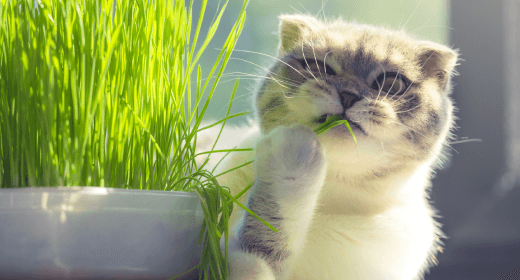
Fiber is a type of carbohydrate that isn't digested by a cat's gastrointestinal tract. It is important for cat health, because it provides bulk to move food through. Some types of fiber can be fermented (broken down by bacteria) in the system. This process creates short-chain fatty acids (SCFA), which are an important energy source for the cells lining the intestinal tract.
Today, people are more aware of fiber and its role in their diet. Studies showing the beneficial effects of higher fiber levels in humans influence the way many people think about their own food and that of their pets. Some manufacturers now apply the recommendations of human nutritionists and make high-fiber diets for cats, but cats have a much shorter digestive tract than we do. And unlike humans, cats are carnivorous, so their nutritional needs are better satisfied with meat rather than plant matter. Therefore, cats have different dietary needs than humans. For more than 60 years, companion animal nutritionists at IAMS™ have been studying diets to meet the special nutritional needs of cats.
IAMS Company research shows the optimal crude fiber level for healthy cats ranges from 1.4% to 3.5%. At these levels, nutrient breakdown is maximized. In unique situations, such as hairballs, higher fiber levels may be beneficial.
An important characteristic of fiber is its fermentability, or how well it can be broken down by bacteria in the intestine. This breakdown produces short-chain fatty acids, which provide energy to the intestines. Fiber varies in fermentability. Fiber sources used in pet foods include cellulose, which is poorly fermentable; beet pulp, which is moderately fermentable; and gums and pectin, which can be highly fermentable. Research has shown that moderate levels of moderately fermentable fiber, such as beet pulp, provide the benefits of energy for the intestinal lining and bulk, without the negative effects of excessive stool or gas and, therefore, are beneficial in cat diets.
High levels of poorly fermentable fiber are used in some weight-reduction pet foods to dilute the calories in a serving. IAMS Company research shows that high fiber levels can make it harder to digest other nutrients in the food and, in turn, reduce the nutritional quality of a cat's diet. Your cat making more trips to the litter box can be a result.
When choosing a pet food, fiber is an important consideration, but remember that the needs of cats are not the same as those of humans. A moderate level of moderately fermentable fiber, such as beet pulp, provides proven nutritional benefits for cats. Cat diets containing high levels of poorly fermentable fiber dilute calories and deprive cats of the nutrients they need.
All IAMS products are made with levels of moderately fermentable fiber needed to promote intestinal health. And all IAMS foods, such as IAMS ProActive Health™ Adult Original with Chicken, contain the moderately fermentable fiber system, which is the exclusive property of IAMS Company and is protected by U.S. Patent No. 5,616,569 for Pet Food Products Containing Fermentable Fibers and Process for Treating Gastrointestinal Disorders.
New cat parents often are unaware of the FVRCP vaccine and why it is essential to get their cats vaccinated for it. FVRCP vaccine stands for Feline Viral Rhinotracheitis, Calicivirus, and Panleukopenia, and it is one of the core vaccines recommended for all cats. Feline rhinotracheitis is an infection that causes flu-like symptoms in cats. While this infection is common in outdoor cats, it can find its way to indoor cats as well. Calicivirus develops mouth ulcers and inflammation while panleukopenia attacks the cat’s immune system, putting its life in lethal danger. Hence, protecting your indoor kitty from these harmful viruses is essential for maintaining their overall health.
That’s where the FVRCP vaccine for kittens and cats comes into picture. It protects our feline creatures from three life-threatening viruses – feline viral rhinotracheitis, calicivirus, and panleukopenia. But before you get your fur baby vaccinated, let’s take a look at some important information about FVRCP vaccines for cats.
Although we know the FVRCP vaccine is crucial for a cat’s well-being, it is also necessary to know when and how to get your kitty inoculated with this combination vaccine. Given below are some essential details related to the FVRCP vaccine for cats that every cat parent should know about:
FVR is caused by the FVH-1 virus. It is one of the most fatal infections that a cat can contract. The FVRCP vaccine is a core vaccine for preventing rhinotracheitis in cats. Feline viral rhinotracheitis is a highly infectious illness that causes symptoms ranging from sneezes and conjunctivitis to fever and lethargy. It spreads through bodily fluids like saliva as well as eyes and nose discharge of infected cats. If not detected and treated in time, FVR in cats can prove fatal. The FVRCP vaccine will ensure that your pet develops immunity against feline rhinotracheitis.
Like feline rhinotracheitis, feline calicivirus (FCV) is another deadly virus in cats. This virus typically attacks the cat’s respiratory tract and oral organs. Calicivirus symptoms can range from upper respiratory tract diseases to mouth ulcers and inflammations. If you observe any signs of calicivirus in your indoor cat, take it to the vet immediate as you should start medication at the earliest. However, it is always better to keep such daunting health issues at bay through vaccination, and the FVRCP vaccine acts as an effective preventive measure.
Abbreviated as FPV, feline panleukopenia is a highly contagious virus that attacks the immune system of cats. It presents symptoms like fever, vomiting, and anorexia. Unlike feline viral rhinotracheitis, which causes flu-like symptoms or calicivirus which causes mouth ulcers and eye infections, FPV attacks the bone marrow and the lymph nodes. And this further decreases the white blood cell count in cats. With FVRCP vaccination, you can prepare your purrfect pal to combat this deadly virus.
Core vaccines are a must for all cats as they equip our feline creatures to fight off some of the most infectious and fatal viruses. FVRCP vaccine is one such core preventive measure besides anti-rabies vaccine for cats. FVR, FCV, and FPV are some of the most contagious viruses that easily spread through the body fluids of infected animals. Vaccinating your kitty with FVRCP enables its body to prepare antigens against these fatal viruses. Hence, FVRCP is said to be one of the core vaccines for cats.
Kittens are inoculated with the FVRCP vaccine every three to four weeks between the ages of 16 to 20 weeks. Booster shots are needed to ensure that the cat’s immune system is completely ready to recognise the vaccine components. These jabs also ascertain that the kitten's immunity is strong enough to combat these four deadly viruses as they age. The kitty should receive a final dose of FVRCP after it turns a year old. Post this, you should revaccinate your feline friend every three years to keep its immunity intact. Please note, the FVRCP vaccine cost depends on the brand you choose to inoculate your pet.
However, before scheduling an appointment for FVRCP vaccination, you must ask the following questions to your veterinarian.
What are the side effects of FVRCP and how soon do they wear off?
How to care for the kitty post-vaccination?
How many booster shots will the kitty need based on its lifestyle, age, and breed?
FVRCP vaccine cost.
The FVRCP vaccine might cause some discomfort and minor side effects. While minor symptoms are common, it is best to visit the veterinarian if you notice any extreme signs of discomfort. Given below are a few of the most common side effects of this vaccine.
Redness or swelling at the injected site
Low-grade fever
Low appetite
Some cats might develop an allergic reaction to the FVRCP vaccine. If you notice your kitty vomiting, itching, or suffering from diarrhea, you must consult the doctor at the earliest.