Enter a keyword below to search for articles and products.
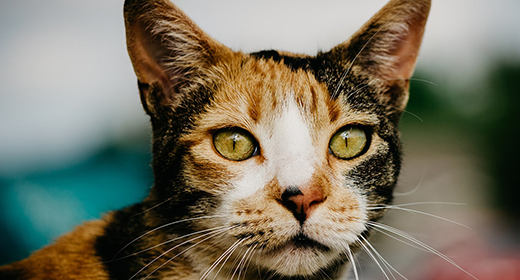
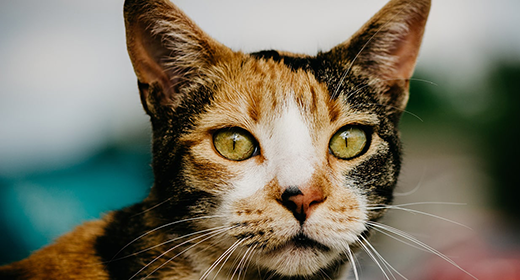
Antioxidants are good for your cat because they play a key role in minimizing damage to cells, including cells of the immune system.
These important, naturally occurring nutrients help maintain health by slowing the destructive oxidative process of cellular molecules. They also can be important in supporting immune responses and vaccine recognition in cats. This may be especially critical for kittens that are being vaccinated while their immune system is still developing.
Additionally, antioxidants can reverse decreases in immune-cell function for senior cats, increasing them back to healthy adult levels.
Antioxidants are nutrients found naturally in the body and in plants such as fruits and vegetables. Common antioxidants include vitamin C, vitamin E and certain compounds called carotenoids (including lutein and beta-carotene). A blend of several antioxidants in moderate amounts may be more effective than high levels of one antioxidant.
As cells function normally in the body, they produce damaged molecules called free radicals. These free radicals are highly unstable and steal components from other cellular molecules, such as fat, protein or DNA, thereby spreading the damage.
This damage continues in a chain reaction, and entire cells soon become damaged and die in a process called peroxidation. Peroxidation is useful because it helps the body destroy cells that have outlived their usefulness and kills germs and parasites. However, when left unchecked, peroxidation also destroys or damages healthy cells.
Antioxidants help prevent widespread cellular destruction by willingly donating components to stabilize free radicals. More importantly, antioxidants return to the surface of the cell to stabilize rather than damage other cellular components.
When there are not enough antioxidants to hold peroxidation in check, free radicals begin damaging healthy cells, which can lead to problems. For example, free radical damage to immune cells can lead to an increased risk of infection.
Because antioxidants play a key role in minimizing damage to cells, such as those that make up the immune system, recent research examined the benefits of certain antioxidants on the immune response of cats. The results of these studies indicated that antioxidants are important in helping cats maintain a healthy immune system.
The research also showed that each antioxidant benefits the immune system uniquely, so one antioxidant at high levels is not as effective as a group of antioxidants acting together.
| Antioxidant | Source | Function |
|---|---|---|
| Vitamin E | Plant oil extract, tocopherols | Optimizes immune system’s T-cell activation |
| Beta-carotene | Vitamin premix, corn meal, chicken by-product meal and chicken fat | Optimizes types of cells present in the blood, increases antibody levels in the blood and optimizes vaccine recognition |
Recent research also examined the effect of aging on immune responses. The findings indicate that as cats age, immune cell responses may decline. Including antioxidants in your cat’s diet can help reverse the age-related decrease in immune cell function, returning it to healthy adult levels.
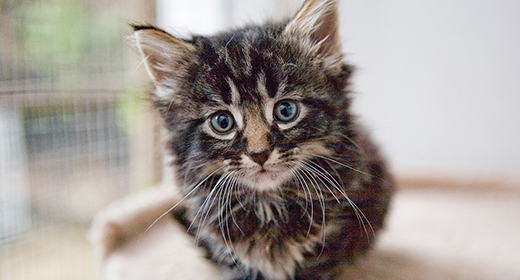
So you have a new kitten — congratulations! You’re about to embark on a pet ownership journey that could span several decades. But if you’ve never owned a cat or kitten before, you may have questions about how to keep your kitten healthy and thriving. Use our guide to get started, and welcome to pet parenthood.
When you choose a veterinarian, you’re choosing a partner in your kitten’s health care. Scheduled vaccinations and yearly examinations mean that you’ll see your veterinarian on a regular basis, so choose wisely. When researching veterinary clinics for your cat, make sure to do the following:
Owners should have their cats spayed or neutered unless they plan to show or breed them. Veterinarians advise spaying or neutering by at least 6 months of age. Consider the following:
Each year, millions of cats are euthanized because the new cat population far exceeds the number of homes that can be found for them. Here’s why you should consider spaying or neutering your kitten:
While we hope your kitten experiences few, if any, health issues over the course of her life, it’s smart to familiarize yourself with common cat ailments. Use our guide to some of the most common medical issues that can affect kitten health. The more you know, the better you’ll be able to notice when your kitten isn’t feeling well.
Most common in warm spring and summer months, these pinhead-size insects can be active all year long. Fleas can jump onto your cat, lay their eggs, breed, and spread to your furniture and to you, looking for blood. In addition to causing discomfort and scratching in many cats, fleas can transmit parasitic or infectious diseases, including tapeworms. A severe flea infestation may, in turn, cause anemia (low red blood cell count) and/or allergic dermatitis, a skin allergy characterized by itching and irritation. Though some cats become irritable and scratch, others have no visible signs of discomfort.
Luckily, flea prevention treatments are numerous and easy to give:
Hairballs are tube-shaped, brown masses of hair fibers. When cats clean themselves, they swallow fur. Because hair isn’t digestible, it either passes through and ends up in the litter box or it is vomited.
Cats that pass hairballs more than once a week or that pass foul-smelling hairballs may have a serious underlying health problem. See your veterinarian if your cat experiences frequent hairballs.
Here’s how to help prevent hairballs in your kitten or cat:
Feline lower urinary tract disease is a potentially fatal, painful inflammation of the lower urinary tract that can be caused by viruses, bacteria, diet, decreased water consumption or urine retention.
Symptoms include blood in the urine, difficult and frequent urination (often in small quantities), inappropriate urination, lack of energy and loss of appetite.
You can help your cat maintain proper urinary acidity and magnesium levels through a properly balanced diet that helps promote urinary tract health.