IAMS SG
cat article detail banner
cat article detail banner mobile

adp_description_block304
Tips on How To Feed Your Cat

  • Share

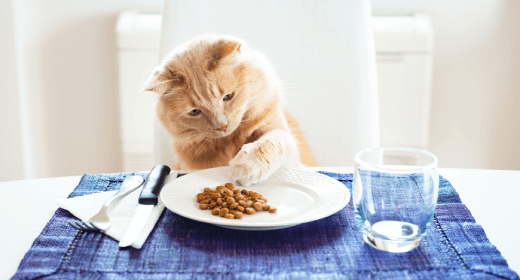
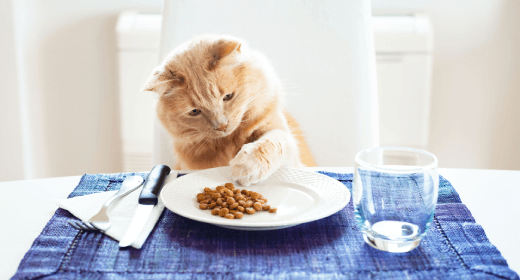
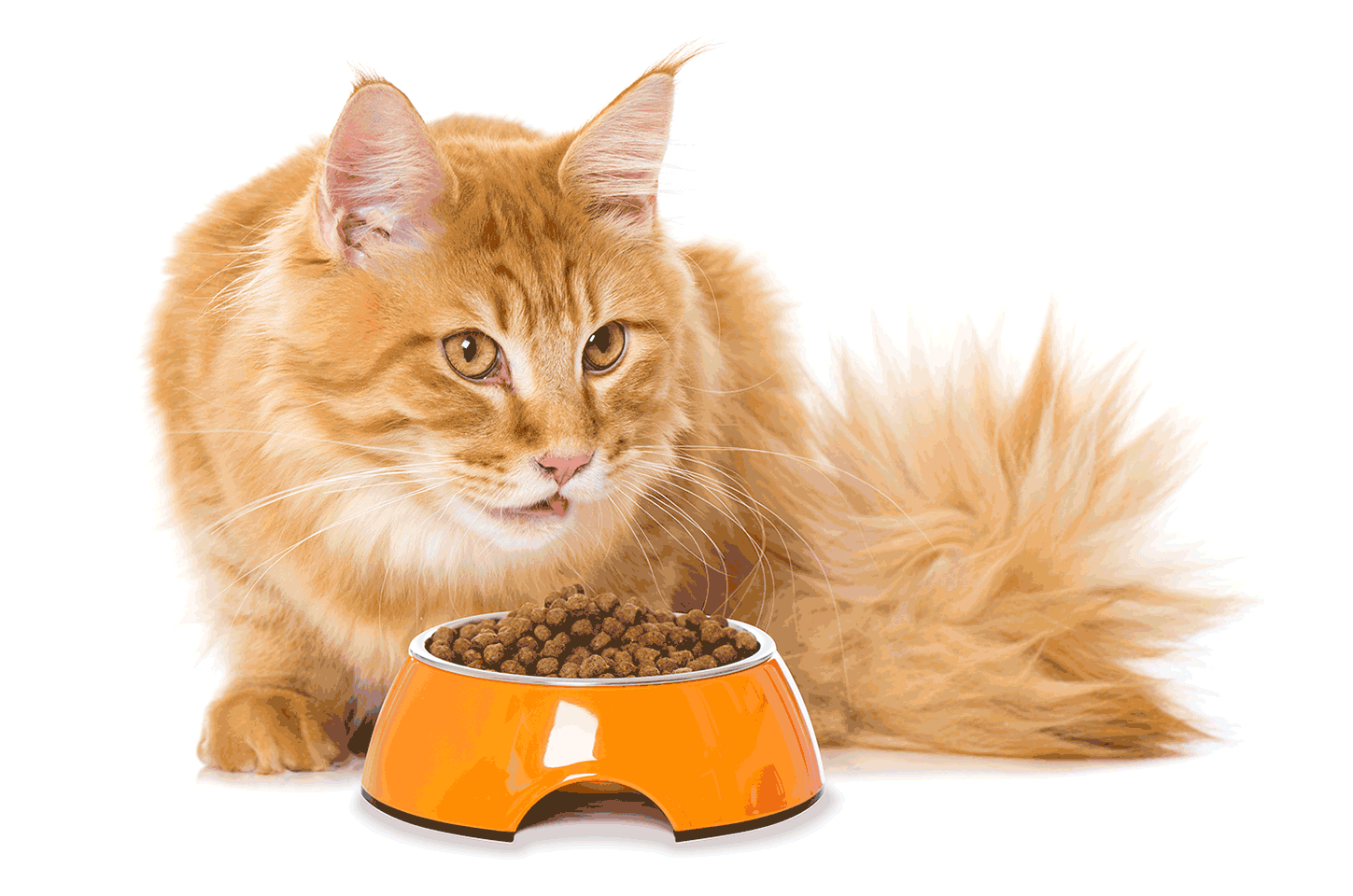
Compared to humans, your cat needs a high-fat, high-protein diet along with other important nutrients. Cats usually eat many small meals throughout the day, so they easily adopt a free choice feeding schedule to maintain their normal body weight. Dry foods, such as IAMS™ PROACTIVE HEALTH™ Healthy Adult with Chicken, are best suited for free choice feeding because they stay fresh for a longer period.

Tips on How To Feed Your Cat


Nutritional Building Blocks

Cats need nutrients from animal-based protein sources. Providing the vitamins, minerals, proteins, and other components found in a portion of complete and balanced pet food can help your cat live a long and healthy life. It is important to avoid supplementing your cat's diet, as doing so may lead to a variety of health problems.

When selecting cat food, look for ones that offer the following nutrients:

  • Animal protein from meat, poultry, fish, or egg sources to maintain strong muscular structure, vital organs, antibodies, and more.
  • Taurine, an amino acid, found in meat sources such as chicken and fish, but not in plant proteins, to maintain healthy eyes, prevent heart disease. It also promotes healthy reproduction, fetal growth, and development.
  • Essential vitamins and minerals such as vitamin A, which can be found pre-formed only in animal tissues, and vitamin E to help support the immune system.
  • A precise balance of fatty acids to help promote excellent skin and coat health.
  • A fiber source, such as beet pulp, that will help maintain your cat's digestive system health.


Special Dietary Needs

Special Dietary Needs

Pregnant or Lactating Cats

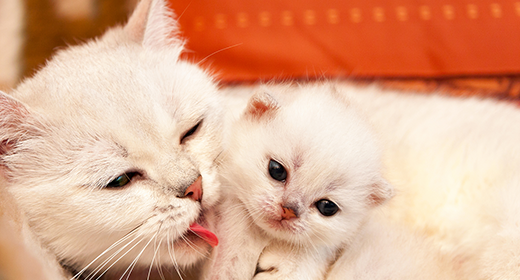
A cat's energy intake should be increased gradually by up to 50% over her maintenance intake throughout its pregnancy. You can feed your pregnant cat wholesome kitten food to provide the needed nutritional support during the last few weeks of gestation.

After birth, the mother cat's energy increases by 50% to 75% over normal in the first week to twice the normal in the second week, and up to three times during the third week. The third and fourth weeks are the most demanding because kittens are still feeding on the lactating cat’s milk and have not begun eating dry or canned food. Once kittens begin weaning, the mother cat should be feed normal food portions to avoid unnecessary weight gain.

Avoiding Obesity
 

Avoiding Obesity


‘What do cats eat that result in them developing obesity’ is a commonly asked question by cat parents. Several factors are responsible for causing an unhealthy weight gain in your cat. Food and nutritional requirements of a cat are quite different than that of a kitten or even a senior cat. Simply increasing the amount of food your cat eats to satisfy its nutritional need could lead to cat obesity. And this is a health problem that should not be taken lightly. In general, indoor cats are at a higher risk of developing obesity because they do not engage in many physical activities. But as a cat parent, you must pay attention to your cat’s food intake and make sure it remains active. You may also introduce a new kind of diet that may help your cat to maintain its weight. Read further ahead for some useful cat feeding tips that can help you.

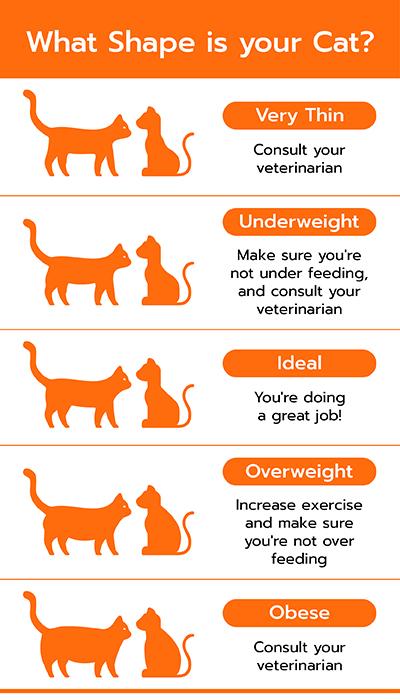
what shape

same time, we recommend you control the amount of food you feed your cat. Even if it is a weight loss-based cat food, the quantity should be checked properly.

Preventing Hairballs

Cats spend a considerable amount of time grooming themselves. In the process, they end up swallowing their body hair. This leads to a hair build-up in the stomach. If the hairball doesn’t pass into the intestines, a cat may try to cough it up. A special diet can help decrease the likelihood of hairballs, but you may decrease its effectiveness if you combine it with other foods.

Comparison of eating habits for underweight v/s overweight cat

Underweight cats:

Underweight cats need more nourishment, which will help them increase their body mass, eventually increasing their weight. For underweight cats, an intake of extra calories is also essential. These extra calories will help your cat gain healthy weight. You may contact your vet who can devise a proper weight gain chart for your cat.

Overweight cats:

Overweight cats need a calorie-restricted diet for them to come down to their healthy weight. In fact, the food you feed your overweight or obese cat should ideally have high protein and low calories. At the

How much food should your cat eat daily?

The amount to feed your cat depends on its age, size, and activity level. Feeding guidelines that recommend the daily amount of food you may feed your cat are included on all IAMS packages. Start feeding your cat the mentioned amount and adjust according to its needs. Remember to divide the portion accordingly if you feed more than once a day. With that said now, take a look at this table to know how much to feed your cat:


Weight of cat (kg)

G/day 

3

45

4

55

5

60

6

70

7

80

8

90


How IAMS products help to solve over-eating/ under-eating issues?

IAMS offers a high protein diet food for cats that are either underweight or overweight. The IAMS Indoor Weight and Hairball Care food is made with a formula that is suitable for cats who are either in need of increasing weight or decreasing it. The benefits of this cat diet plan are as follows:

  • #1st Ingredient is Chicken.
  • This formula includes L-Carnitine that helps get your cat achieve its ideal weight and has balanced nutrition.
  • This food is recommended by Veterinarians as well.
  • This cat diet plan also helps maintain your cat’s urinary tract health.

Cat Eating Habits FAQs

  1. Should cats eat alone?
  2. There is no problem if your cat prefers to eat alone, as long as it finishes what you have put on its plate.

  3. Why is my cat hungry all the time?
  4. One of the reasons your cat is hungry all the time could be that it is not being fed the right food. Diseases like diabetes and hyperthyroidism can also make your cat feel hungry all the time. If you notice unusual symptoms in your cat, it is advisable to get it checked by a vet.

  5. What do you feed a cat that refuses to eat?
  6. If your cat refuses to eat, it might not just be because it is a finicky eater. It may also be experiencing health issues like kidney failure or infection in its intestines. Another reason for your cat rejecting food maybe furballs. Furballs are foreign obstacles that get stuck in the cat’s digestive tract, making it hard for your cat to eat food. So, if you notice your cat not eating food, it is advisable to consult the vet immediately.

    If you have ruled out health issues with the vet, then here are some tips on how to feed a cat:

    • In controlled quantities, you may introduce canned tuna or liver in your cat’s food. This will lure your cat to eat what has been served on its plate.
    • Try keeping its feeding bowl at different places to see what place your cat finds comfortable to eat at.
    • Let your cat get hungry. Keep some hours distance between 2 meals as this break will make your cat hungry.
    • Do not keep the food in your cat’s plate all the time. Only serve fresh food when it is time for your cat to eat.

  7. How do I know if my cat is hungry or begging?
  8. Here’s how you can know if your cat is hungry:

    • If your cat is actually hungry it may meow and call you to feed it. It may also meow while eating.
    • You cat will gobble down food very quickly when it is hungry.
    • It may also steal food to satiate its hunger at odd times.

    If you feel that your cat is acting hungry even after feeding it the right amount daily food, it might be a greedy eater.

    Here are some tips to recognize a hungry cat:

    • You should monitor the amount of times you are feeding your cat per day.
    • It is advisable to keep an eye on how much human food your cat steals from your dining table to feed itself. If this happens several times a day, it is an indication that your cat is simply satisfying its temptations.
    • We recommend you keep a tab on how many treats you are feeding your cat throughout the day.
  • Corn-Ingredients-and-Their-Use-in-Our-Cat-Foods-banner
    Corn-Ingredients-and-Their-Use-in-Our-Cat-Foods-mobil

    adp_description_block11
    Corn For Cats: Is It Good For Them?

    • Share

    We all love corn. And why not? Corn on the cob is soft, sweet, and buttery. Just the sight of it can make our mouths water. However, did you know that even cats like corn. This might make you wonder whether corn is good for your feline friend. The answer is yes. In fact, corn is present in many cat foods. It is packed with protein, vitamins, minerals, and fiber. Continue reading to know the importance of corn for cats.
     

    Benefits of corn for cats

    Since cats are omnivores, they need a high amount of protein to support their bodily functions. Hence, corn alone is not enough. One medium ear of corn contains 3.5 grams of protein. And cats need at least 2 grams of protein per pound of body weight.


    If your cat is around 8 pounds, they require 16-gram protein at the least. Basically, your cat might have to eat at least 4 or 5 medium ears of corn. And doing that would increase their calorie intake. Hence, corn can only be a part of your cat’s day-to-day diet, not the whole meal. That being said, here are a few benefits of including corn in your cat’s diet:
     

    • Your cat lacks energy? Corn contains carbs!

      Carbohydrates might not be the most vital nutrient for cats; however, it is highly digestible. This ensures that your fur baby feel energetic throughout the day. When your cat gets enough carbs, they do not have to use protein to produce energy. Proteins available in their body can focus on their primary role--muscle and tissue growth.
       

    • Keeps inflammations at bay

      Corn is packed with fatty acids which maintain skin health and prevent inflammation. These fatty acids must be supplied through a balanced diet because your cat cannot produce them in their body.
       

    • Rich in antioxidants

      Antioxidants are essential for cat health since they minimise damage to cells. Vitamin E optimises a cat’s T-cell activation, whereas beta-carotene increases antibody levels and improves vaccine recognition. Here's good news for you: corn is rich in both!


    Few facts about corn cat food

    Corn is included in cat food formulas in various forms, such as ground corn, corn meal, corn grits, corn gluten meal, and corn bran. When reviewing the ingredients list on cat food packaging, you may see one or more of the following corn ingredients:


    Corn ingredient

    What it is

    Ground corn or corn meal

    Finely ground and chopped whole corn

    Corn grits

    The portion of ground corn containing little

    or none of the bran (fiber) or germ (the small protein portion at the end of the kernel)

    Corn bran

    The outer coating of the corn kernel; largely fiber

    Corn gluten meal

    A dried protein source that remains after the corn’s bran, a large portion of carbohydrates, and germs have been removed


    Best corn snack for cats

    As a cat owner, you might want to serve your feline friend the best corn cat food. However, not all types of corn snacks are suitable for your pet. As a cat parent, you want to avoid feeding your fur baby with corn chips, popcorn, fried kernels, and corn husks. Stick to grilled or boiled sweet corn without any seasoning. 


    Corn in IAMS™ Cat Food Products

    Corn is included in the formulas for all IAMS cat foods, including IAMS™ ProActive Health™ Healthy Adult and ProActive Health™ Healthy Kitten. It is more appropriate to associate the corn used in our products with “cornbread” rather than “corn on the cob.” The difference is similar to cooked corn versus raw corn. We use only the highest-quality corn in our products. The corn is finely ground, which breaks up the outside covering of each kernel, and then it is cooked for better digestibility.


    Corn grits and cornmeal are used in our foods as high-quality sources of carbohydrates, which are an important source of energy. Corn generally also results in lower glycemic and insulin responses than rice. This can be especially beneficial for senior and overweight cats.

    Corn Ingredients and Their Use in Our Cat Foods
Close modal