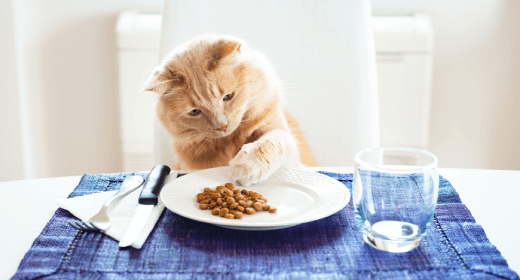
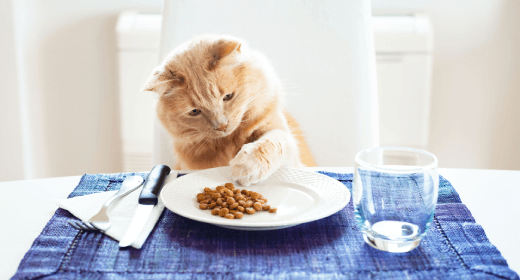
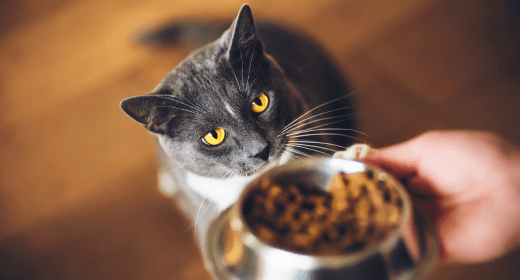
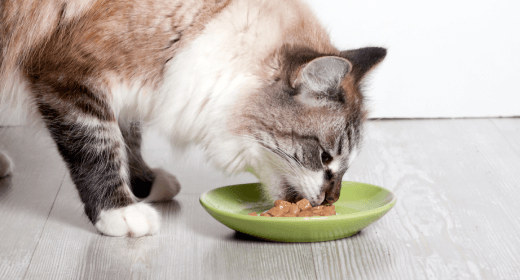
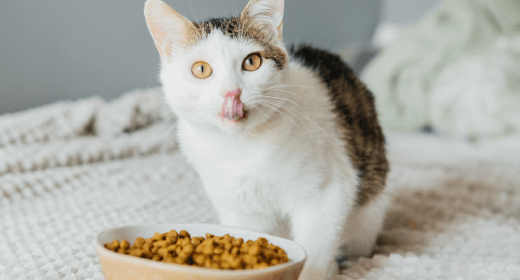
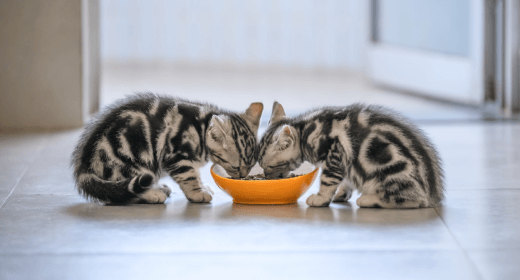
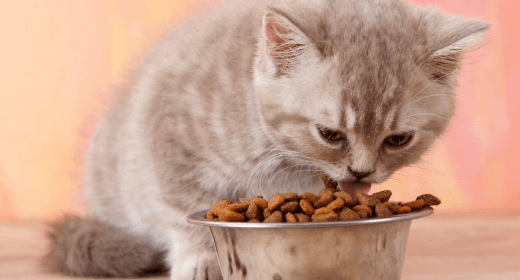
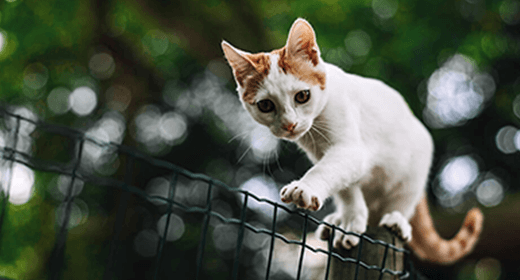
Compared to humans, your cat needs a high-fat, high-protein diet along with other important nutrients. Cats usually eat many small meals throughout the day, so they easily adopt a free choice feeding schedule to maintain their normal body weight. Dry foods, such as IAMS™ PROACTIVE HEALTH™ Healthy Adult with Chicken, are best suited for free choice feeding because they stay fresh for a longer period.
Nutritional Building Blocks
Cats need nutrients from animal-based protein sources. Providing the vitamins, minerals, proteins, and other components found in a portion of complete and balanced pet food can help your cat live a long and healthy life. It is important to avoid supplementing your cat's diet, as doing so may lead to a variety of health problems.
When selecting cat food, look for ones that offer the following nutrients:
- Animal protein from meat, poultry, fish, or egg sources to maintain strong muscular structure, vital organs, antibodies, and more.
- Taurine, an amino acid, found in meat sources such as chicken and fish, but not in plant proteins, to maintain healthy eyes, prevent heart disease. It also promotes healthy reproduction, fetal growth, and development.
- Essential vitamins and minerals such as vitamin A, which can be found pre-formed only in animal tissues, and vitamin E to help support the immune system.
- A precise balance of fatty acids to help promote excellent skin and coat health.
- A fiber source, such as beet pulp, that will help maintain your cat's digestive system health.
Special Dietary Needs
Pregnant or Lactating Cats
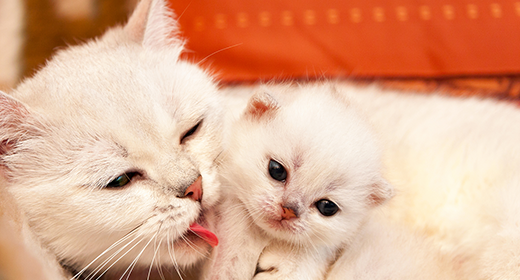
A cat's energy intake should be increased gradually by up to 50% over her maintenance intake throughout its pregnancy. You can feed your pregnant cat wholesome kitten food to provide the needed nutritional support during the last few weeks of gestation.
After birth, the mother cat's energy increases by 50% to 75% over normal in the first week to twice the normal in the second week, and up to three times during the third week. The third and fourth weeks are the most demanding because kittens are still feeding on the lactating cat’s milk and have not begun eating dry or canned food. Once kittens begin weaning, the mother cat should be feed normal food portions to avoid unnecessary weight gain.
Avoiding Obesity
‘What do cats eat that result in them developing obesity’ is a commonly asked question by cat parents. Several factors are responsible for causing an unhealthy weight gain in your cat. Food and nutritional requirements of a cat are quite different than that of a kitten or even a senior cat. Simply increasing the amount of food your cat eats to satisfy its nutritional need could lead to cat obesity. And this is a health problem that should not be taken lightly. In general, indoor cats are at a higher risk of developing obesity because they do not engage in many physical activities. But as a cat parent, you must pay attention to your cat’s food intake and make sure it remains active. You may also introduce a new kind of diet that may help your cat to maintain its weight. Read further ahead for some useful cat feeding tips that can help you.
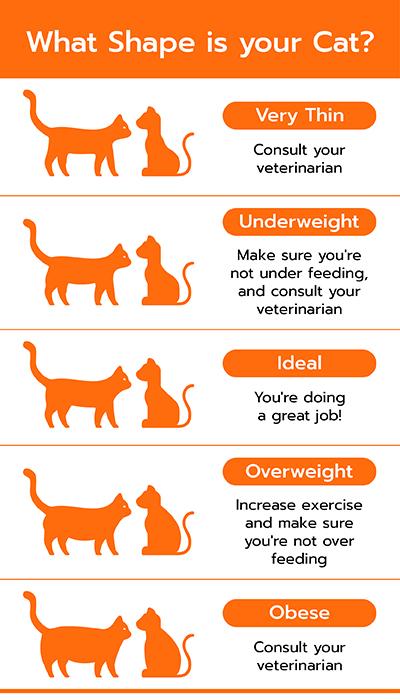
same time, we recommend you control the amount of food you feed your cat. Even if it is a weight loss-based cat food, the quantity should be checked properly.
Preventing Hairballs
Cats spend a considerable amount of time grooming themselves. In the process, they end up swallowing their body hair. This leads to a hair build-up in the stomach. If the hairball doesn’t pass into the intestines, a cat may try to cough it up. A special diet can help decrease the likelihood of hairballs, but you may decrease its effectiveness if you combine it with other foods.
Comparison of eating habits for underweight v/s overweight cat
Underweight cats:
Underweight cats need more nourishment, which will help them increase their body mass, eventually increasing their weight. For underweight cats, an intake of extra calories is also essential. These extra calories will help your cat gain healthy weight. You may contact your vet who can devise a proper weight gain chart for your cat.
Overweight cats:
Overweight cats need a calorie-restricted diet for them to come down to their healthy weight. In fact, the food you feed your overweight or obese cat should ideally have high protein and low calories. At the
How much food should your cat eat daily?
The amount to feed your cat depends on its age, size, and activity level. Feeding guidelines that recommend the daily amount of food you may feed your cat are included on all IAMS packages. Start feeding your cat the mentioned amount and adjust according to its needs. Remember to divide the portion accordingly if you feed more than once a day. With that said now, take a look at this table to know how much to feed your cat:
How IAMS products help to solve over-eating/ under-eating issues?
IAMS offers a high protein diet food for cats that are either underweight or overweight. The IAMS Indoor Weight and Hairball Care food is made with a formula that is suitable for cats who are either in need of increasing weight or decreasing it. The benefits of this cat diet plan are as follows:
- #1st Ingredient is Chicken.
- This formula includes L-Carnitine that helps get your cat achieve its ideal weight and has balanced nutrition.
- This food is recommended by Veterinarians as well.
- This cat diet plan also helps maintain your cat’s urinary tract health.