IAMS SG
cat article detail banner
cat article detail banner mobile

adp_description_block417
Tips on How To Feed Your Cat

  • Share

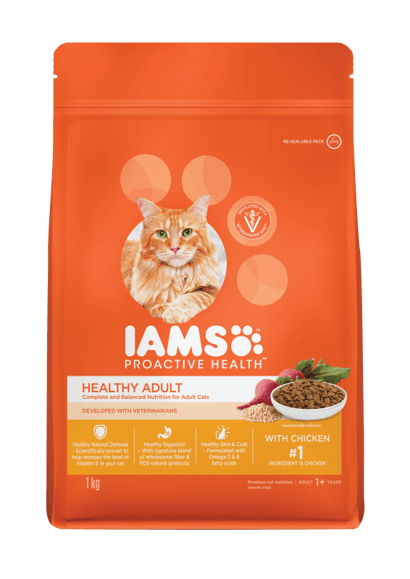
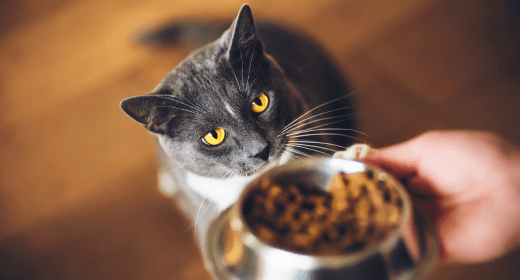
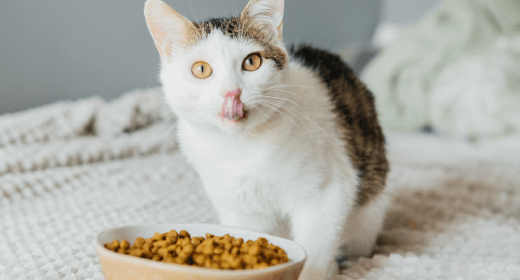
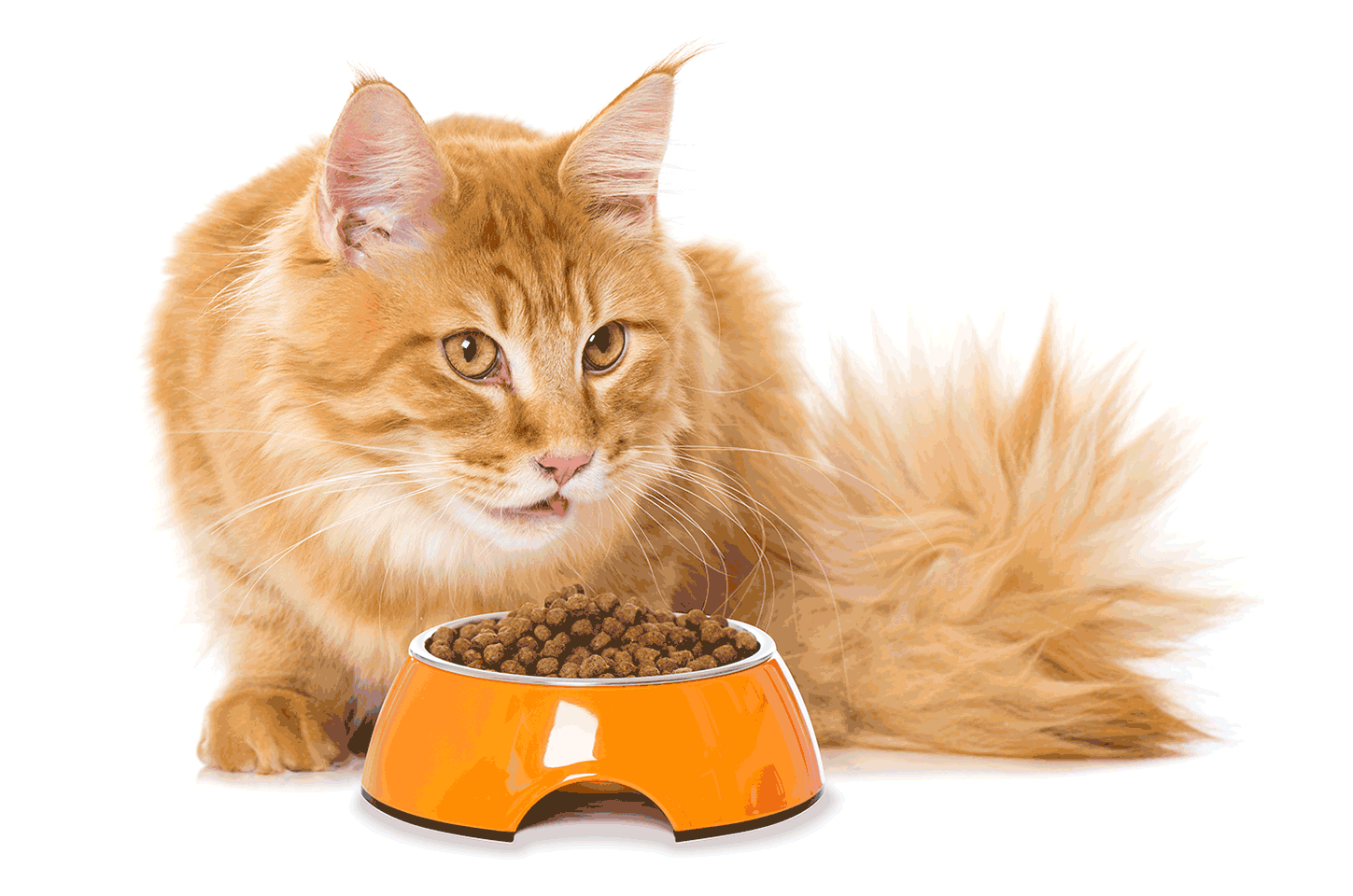
Compared to humans, your cat needs a high-fat, high-protein diet along with other important nutrients. Cats usually eat many small meals throughout the day, so they easily adopt a free choice feeding schedule to maintain their normal body weight. Dry foods, such as IAMS™ PROACTIVE HEALTH™ Healthy Adult with Chicken, are best suited for free choice feeding because they stay fresh for a longer period.

Tips on How To Feed Your Cat


Nutritional Building Blocks

Cats need nutrients from animal-based protein sources. Providing the vitamins, minerals, proteins, and other components found in a portion of complete and balanced pet food can help your cat live a long and healthy life. It is important to avoid supplementing your cat's diet, as doing so may lead to a variety of health problems.

When selecting cat food, look for ones that offer the following nutrients:

  • Animal protein from meat, poultry, fish, or egg sources to maintain strong muscular structure, vital organs, antibodies, and more.
  • Taurine, an amino acid, found in meat sources such as chicken and fish, but not in plant proteins, to maintain healthy eyes, prevent heart disease. It also promotes healthy reproduction, fetal growth, and development.
  • Essential vitamins and minerals such as vitamin A, which can be found pre-formed only in animal tissues, and vitamin E to help support the immune system.
  • A precise balance of fatty acids to help promote excellent skin and coat health.
  • A fiber source, such as beet pulp, that will help maintain your cat's digestive system health.
 

Special Dietary Needs

Special Dietary Needs

Pregnant or Lactating Cats

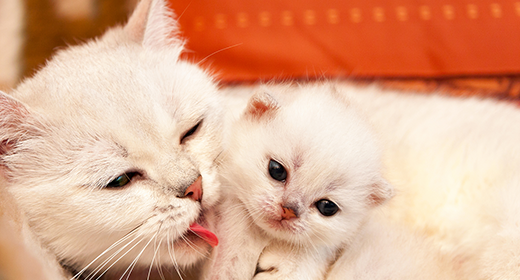
A cat's energy intake should be increased gradually by up to 50% over her maintenance intake throughout its pregnancy. You can feed your pregnant cat wholesome kitten food to provide the needed nutritional support during the last few weeks of gestation.

After birth, the mother cat's energy increases by 50% to 75% over normal in the first week to twice the normal in the second week, and up to three times during the third week. The third and fourth weeks are the most demanding because kittens are still feeding on the lactating cat’s milk and have not begun eating dry or canned food. Once kittens begin weaning, the mother cat should be feed normal food portions to avoid unnecessary weight gain.
Avoiding Obesity
 

Avoiding Obesity


‘What do cats eat that result in them developing obesity’ is a commonly asked question by cat parents. Several factors are responsible for causing an unhealthy weight gain in your cat. Food and nutritional requirements of a cat are quite different than that of a kitten or even a senior cat. Simply increasing the amount of food your cat eats to satisfy its nutritional need could lead to cat obesity. And this is a health problem that should not be taken lightly. In general, indoor cats are at a higher risk of developing obesity because they do not engage in many physical activities. But as a cat parent, you must pay attention to your cat’s food intake and make sure it remains active. You may also introduce a new kind of diet that may help your cat to maintain its weight. Read further ahead for some useful cat feeding tips that can help you.
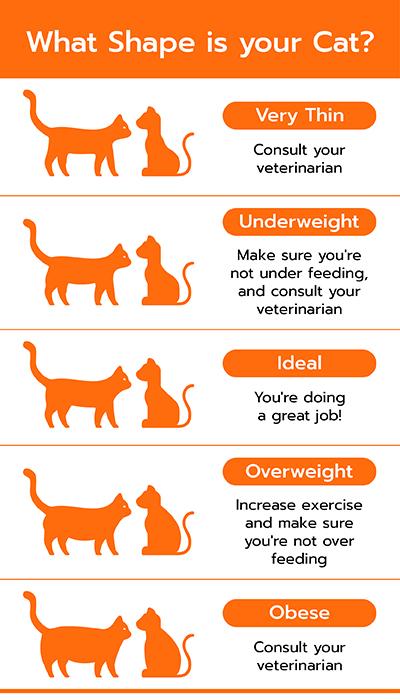
what shape

same time, we recommend you control the amount of food you feed your cat. Even if it is a weight loss-based cat food, the quantity should be checked properly.

Preventing Hairballs

Cats spend a considerable amount of time grooming themselves. In the process, they end up swallowing their body hair. This leads to a hair build-up in the stomach. If the hairball doesn’t pass into the intestines, a cat may try to cough it up. A special diet can help decrease the likelihood of hairballs, but you may decrease its effectiveness if you combine it with other foods.

Comparison of eating habits for underweight v/s overweight cat

Underweight cats:

Underweight cats need more nourishment, which will help them increase their body mass, eventually increasing their weight. For underweight cats, an intake of extra calories is also essential. These extra calories will help your cat gain healthy weight. You may contact your vet who can devise a proper weight gain chart for your cat.

Overweight cats:

Overweight cats need a calorie-restricted diet for them to come down to their healthy weight. In fact, the food you feed your overweight or obese cat should ideally have high protein and low calories. At the

How much food should your cat eat daily?

The amount to feed your cat depends on its age, size, and activity level. Feeding guidelines that recommend the daily amount of food you may feed your cat are included on all IAMS packages. Start feeding your cat the mentioned amount and adjust according to its needs. Remember to divide the portion accordingly if you feed more than once a day. With that said now, take a look at this table to know how much to feed your cat:


Weight of cat (kg)

G/day 

3

45

4

55

5

60

6

70

7

80

8

90


How IAMS products help to solve over-eating/ under-eating issues?

IAMS offers a high protein diet food for cats that are either underweight or overweight. The IAMS Indoor Weight and Hairball Care food is made with a formula that is suitable for cats who are either in need of increasing weight or decreasing it. The benefits of this cat diet plan are as follows:

  • #1st Ingredient is Chicken.
  • This formula includes L-Carnitine that helps get your cat achieve its ideal weight and has balanced nutrition.
  • This food is recommended by Veterinarians as well.
  • This cat diet plan also helps maintain your cat’s urinary tract health.

Cat Eating Habits FAQs

  1. Should cats eat alone?
  2. There is no problem if your cat prefers to eat alone, as long as it finishes what you have put on its plate.

  3. Why is my cat hungry all the time?
  4. One of the reasons your cat is hungry all the time could be that it is not being fed the right food. Diseases like diabetes and hyperthyroidism can also make your cat feel hungry all the time. If you notice unusual symptoms in your cat, it is advisable to get it checked by a vet.

  5. What do you feed a cat that refuses to eat?
  6. If your cat refuses to eat, it might not just be because it is a finicky eater. It may also be experiencing health issues like kidney failure or infection in its intestines. Another reason for your cat rejecting food maybe furballs. Furballs are foreign obstacles that get stuck in the cat’s digestive tract, making it hard for your cat to eat food. So, if you notice your cat not eating food, it is advisable to consult the vet immediately.

    If you have ruled out health issues with the vet, then here are some tips on how to feed a cat:

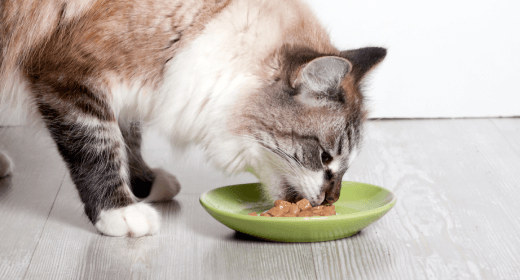
    • In controlled quantities, you may introduce canned tuna or liver in your cat’s food. This will lure your cat to eat what has been served on its plate.
    • Try keeping its feeding bowl at different places to see what place your cat finds comfortable to eat at.
    • Let your cat get hungry. Keep some hours distance between 2 meals as this break will make your cat hungry.
    • Do not keep the food in your cat’s plate all the time. Only serve fresh food when it is time for your cat to eat.

  7. How do I know if my cat is hungry or begging?
  8. Here’s how you can know if your cat is hungry:

    • If your cat is actually hungry it may meow and call you to feed it. It may also meow while eating.
    • You cat will gobble down food very quickly when it is hungry.
    • It may also steal food to satiate its hunger at odd times.

    If you feel that your cat is acting hungry even after feeding it the right amount daily food, it might be a greedy eater.

    Here are some tips to recognize a hungry cat:

    • You should monitor the amount of times you are feeding your cat per day.
    • It is advisable to keep an eye on how much human food your cat steals from your dining table to feed itself. If this happens several times a day, it is an indication that your cat is simply satisfying its temptations.
    • We recommend you keep a tab on how many treats you are feeding your cat throughout the day.
  • Kitten Basics: How to Keep Your Kitten in Good Health
    Kitten Basics: How to Keep Your Kitten in Good Health-mob

    adp_description_block494
    Raising A Kitten

    • Share

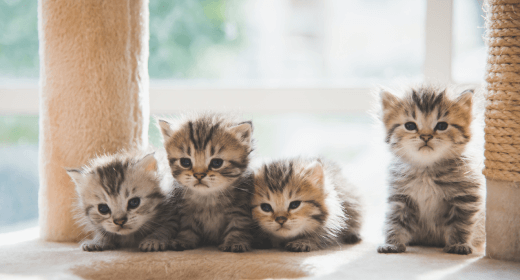
    So you have a new kitten — congratulations! You’re about to embark on a pet ownership journey that could span several decades. But if you’ve never owned a cat or kitten before, you may have questions about how to keep your kitten healthy and thriving. Use our guide to get started, and welcome to pet parenthood.


    Choose a Veterinarian

    When you choose a veterinarian, you’re choosing a partner in your kitten’s health care. Scheduled vaccinations and yearly examinations mean that you’ll see your veterinarian on a regular basis, so choose wisely. When researching veterinary clinics for your cat, make sure to do the following:

    • Get recommendations from friends, co-workers and other cat owners, and compile an initial list of clinics. Ask them what they like about each one.
    • Visit each clinic, introduce yourself as a potential client and ask for a tour.
    • Look for a clean, sterile hospital with up-to-date equipment.
    • Ask about emergency care, hours and any equipment or terms you don’t understand.
    • Ask about the fees for basic shots and exams.


    Get Your Kitten Spayed or Neutered

    Owners should have their cats spayed or neutered unless they plan to show or breed them. Veterinarians advise spaying or neutering by at least 6 months of age. Consider the following:


    What Is Spaying or Neutering?

    • “Fixing” is the common term for feline surgical sterilization or male neutering.
    • In females, removal of the uterus and ovaries is called spaying.
    • In males, removal of the testicles is called neutering or castration.


    Why Should You Spay or Neuter?

    Each year, millions of cats are euthanized because the new cat population far exceeds the number of homes that can be found for them. Here’s why you should consider spaying or neutering your kitten:

    • Spaying eliminates behavior associated with heat cycles, such as wailing to attract males or spraying urine.
    • Spaying helps prevent potential health problems, including breast tumors and uterine disease, possibly adding years to your cat’s life.
    • Spaying or neutering helps prevent the occurrence of unwanted litters.
    • Neutering reduces the effects of puberty and hormones. A neutered male is less likely to mark territory by spraying urine and less apt to roam and get lost, and he won’t congregate or fight with other toms over a female in heat.


    Learn about Common Cat Health Issues

    While we hope your kitten experiences few, if any, health issues over the course of her life, it’s smart to familiarize yourself with common cat ailments. Use our guide to some of the most common medical issues that can affect kitten health. The more you know, the better you’ll be able to notice when your kitten isn’t feeling well.


    Fleas

    Most common in warm spring and summer months, these pinhead-size insects can be active all year long. Fleas can jump onto your cat, lay their eggs, breed, and spread to your furniture and to you, looking for blood. In addition to causing discomfort and scratching in many cats, fleas can transmit parasitic or infectious diseases, including tapeworms. A severe flea infestation may, in turn, cause anemia (low red blood cell count) and/or allergic dermatitis, a skin allergy characterized by itching and irritation. Though some cats become irritable and scratch, others have no visible signs of discomfort.
     

    Luckily, flea prevention treatments are numerous and easy to give:

    • Flea collars, powders and liquid baths are available in pet stores or from your veterinarian. Your veterinarian also can recommend monthly treatments to prevent fleas.
    • Check your cat weekly by rolling her onto her back and looking closely at the belly and around the base of the tail for the small, dark insects, as well as for flea “dirt” — small, dark, pepper-like specks. If the dirt turns red when water is added, your cat has fleas.
    • Choose treatments that contain IGRs (insect growth regulators), which interrupt a flea’s life cycle. Without IGRs, flea eggs hatch every 21 days, making repeated treatments necessary.
    • Treat your yard and house for eggs, larvae and pupae. If you use a lawn-care company, include flea treatment as part of your maintenance plan.
    • Plant marigolds and chrysanthemums in your yard. They contain natural insecticides that may repel fleas.


    Hairballs

    Hairballs are tube-shaped, brown masses of hair fibers. When cats clean themselves, they swallow fur. Because hair isn’t digestible, it either passes through and ends up in the litter box or it is vomited.
     

    Cats that pass hairballs more than once a week or that pass foul-smelling hairballs may have a serious underlying health problem. See your veterinarian if your cat experiences frequent hairballs.
     

    Here’s how to help prevent hairballs in your kitten or cat:

    • Keep your cat well-groomed with regular brushing.
    • Brush all of your cats, not just the ones with hairballs, because cats often groom each other.
    • Try this easy home remedy: Apply 1 teaspoon of petroleum jelly to the top of each paw. Rub it in before your cat can flick it away. Your cat will lick it off her paws, and it will help ease the hairball through the intestinal tract. Apply jelly for several days.
    • When your kitten is fully grown, feed her IAMS™ ProActive Health™ Hairball Care, which helps reduce the likelihood that hairballs will form. It contains a natural fiber system that gently passes ingested hair through the digestive tract.


    Feline Lower Urinary Tract Disease (FLUTD)

    Feline lower urinary tract disease is a potentially fatal, painful inflammation of the lower urinary tract that can be caused by viruses, bacteria, diet, decreased water consumption or urine retention.
     

    Symptoms include blood in the urine, difficult and frequent urination (often in small quantities), inappropriate urination, lack of energy and loss of appetite.
     

    You can help your cat maintain proper urinary acidity and magnesium levels through a properly balanced diet that helps promote urinary tract health.

    Kitten Basics: How to Keep Your Kitten in Good Health
    Kitten Basics: How to Keep Your Kitten in Good Health
Close modal