Enter a keyword below to search for articles and products.
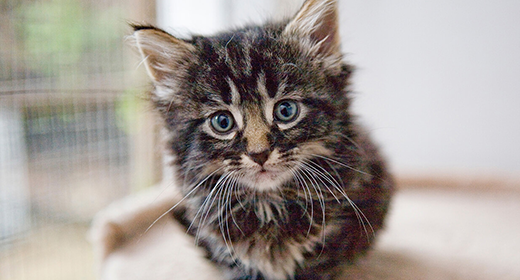
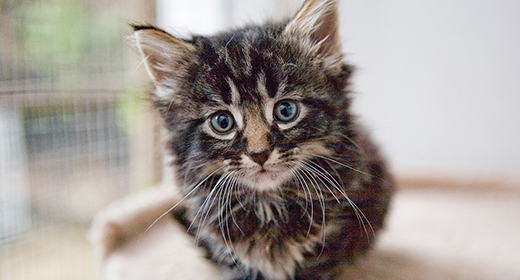
So you have a new kitten — congratulations! You’re about to embark on a pet ownership journey that could span several decades. But if you’ve never owned a cat or kitten before, you may have questions about how to keep your kitten healthy and thriving. Use our guide to get started, and welcome to pet parenthood.
When you choose a veterinarian, you’re choosing a partner in your kitten’s health care. Scheduled vaccinations and yearly examinations mean that you’ll see your veterinarian on a regular basis, so choose wisely. When researching veterinary clinics for your cat, make sure to do the following:
Owners should have their cats spayed or neutered unless they plan to show or breed them. Veterinarians advise spaying or neutering by at least 6 months of age. Consider the following:
Each year, millions of cats are euthanized because the new cat population far exceeds the number of homes that can be found for them. Here’s why you should consider spaying or neutering your kitten:
While we hope your kitten experiences few, if any, health issues over the course of her life, it’s smart to familiarize yourself with common cat ailments. Use our guide to some of the most common medical issues that can affect kitten health. The more you know, the better you’ll be able to notice when your kitten isn’t feeling well.
Most common in warm spring and summer months, these pinhead-size insects can be active all year long. Fleas can jump onto your cat, lay their eggs, breed, and spread to your furniture and to you, looking for blood. In addition to causing discomfort and scratching in many cats, fleas can transmit parasitic or infectious diseases, including tapeworms. A severe flea infestation may, in turn, cause anemia (low red blood cell count) and/or allergic dermatitis, a skin allergy characterized by itching and irritation. Though some cats become irritable and scratch, others have no visible signs of discomfort.
Luckily, flea prevention treatments are numerous and easy to give:
Hairballs are tube-shaped, brown masses of hair fibers. When cats clean themselves, they swallow fur. Because hair isn’t digestible, it either passes through and ends up in the litter box or it is vomited.
Cats that pass hairballs more than once a week or that pass foul-smelling hairballs may have a serious underlying health problem. See your veterinarian if your cat experiences frequent hairballs.
Here’s how to help prevent hairballs in your kitten or cat:
Feline lower urinary tract disease is a potentially fatal, painful inflammation of the lower urinary tract that can be caused by viruses, bacteria, diet, decreased water consumption or urine retention.
Symptoms include blood in the urine, difficult and frequent urination (often in small quantities), inappropriate urination, lack of energy and loss of appetite.
You can help your cat maintain proper urinary acidity and magnesium levels through a properly balanced diet that helps promote urinary tract health.
New cat parents often are unaware of the FVRCP vaccine and why it is essential to get their cats vaccinated for it. FVRCP vaccine stands for Feline Viral Rhinotracheitis, Calicivirus, and Panleukopenia, and it is one of the core vaccines recommended for all cats. Feline rhinotracheitis is an infection that causes flu-like symptoms in cats. While this infection is common in outdoor cats, it can find its way to indoor cats as well. Calicivirus develops mouth ulcers and inflammation while panleukopenia attacks the cat’s immune system, putting its life in lethal danger. Hence, protecting your indoor kitty from these harmful viruses is essential for maintaining their overall health.
That’s where the FVRCP vaccine for kittens and cats comes into picture. It protects our feline creatures from three life-threatening viruses – feline viral rhinotracheitis, calicivirus, and panleukopenia. But before you get your fur baby vaccinated, let’s take a look at some important information about FVRCP vaccines for cats.
Although we know the FVRCP vaccine is crucial for a cat’s well-being, it is also necessary to know when and how to get your kitty inoculated with this combination vaccine. Given below are some essential details related to the FVRCP vaccine for cats that every cat parent should know about:
FVR is caused by the FVH-1 virus. It is one of the most fatal infections that a cat can contract. The FVRCP vaccine is a core vaccine for preventing rhinotracheitis in cats. Feline viral rhinotracheitis is a highly infectious illness that causes symptoms ranging from sneezes and conjunctivitis to fever and lethargy. It spreads through bodily fluids like saliva as well as eyes and nose discharge of infected cats. If not detected and treated in time, FVR in cats can prove fatal. The FVRCP vaccine will ensure that your pet develops immunity against feline rhinotracheitis.
Like feline rhinotracheitis, feline calicivirus (FCV) is another deadly virus in cats. This virus typically attacks the cat’s respiratory tract and oral organs. Calicivirus symptoms can range from upper respiratory tract diseases to mouth ulcers and inflammations. If you observe any signs of calicivirus in your indoor cat, take it to the vet immediate as you should start medication at the earliest. However, it is always better to keep such daunting health issues at bay through vaccination, and the FVRCP vaccine acts as an effective preventive measure.
Abbreviated as FPV, feline panleukopenia is a highly contagious virus that attacks the immune system of cats. It presents symptoms like fever, vomiting, and anorexia. Unlike feline viral rhinotracheitis, which causes flu-like symptoms or calicivirus which causes mouth ulcers and eye infections, FPV attacks the bone marrow and the lymph nodes. And this further decreases the white blood cell count in cats. With FVRCP vaccination, you can prepare your purrfect pal to combat this deadly virus.
Core vaccines are a must for all cats as they equip our feline creatures to fight off some of the most infectious and fatal viruses. FVRCP vaccine is one such core preventive measure besides anti-rabies vaccine for cats. FVR, FCV, and FPV are some of the most contagious viruses that easily spread through the body fluids of infected animals. Vaccinating your kitty with FVRCP enables its body to prepare antigens against these fatal viruses. Hence, FVRCP is said to be one of the core vaccines for cats.
Kittens are inoculated with the FVRCP vaccine every three to four weeks between the ages of 16 to 20 weeks. Booster shots are needed to ensure that the cat’s immune system is completely ready to recognise the vaccine components. These jabs also ascertain that the kitten's immunity is strong enough to combat these four deadly viruses as they age. The kitty should receive a final dose of FVRCP after it turns a year old. Post this, you should revaccinate your feline friend every three years to keep its immunity intact. Please note, the FVRCP vaccine cost depends on the brand you choose to inoculate your pet.
However, before scheduling an appointment for FVRCP vaccination, you must ask the following questions to your veterinarian.
What are the side effects of FVRCP and how soon do they wear off?
How to care for the kitty post-vaccination?
How many booster shots will the kitty need based on its lifestyle, age, and breed?
FVRCP vaccine cost.
The FVRCP vaccine might cause some discomfort and minor side effects. While minor symptoms are common, it is best to visit the veterinarian if you notice any extreme signs of discomfort. Given below are a few of the most common side effects of this vaccine.
Redness or swelling at the injected site
Low-grade fever
Low appetite
Some cats might develop an allergic reaction to the FVRCP vaccine. If you notice your kitty vomiting, itching, or suffering from diarrhea, you must consult the doctor at the earliest.