Enter a keyword below to search for articles and products.
So you have a new kitten — congratulations! You’re about to embark on a pet ownership journey that could span several decades. But if you’ve never owned a cat or kitten before, you may have questions about how to keep your kitten healthy and thriving. Use our guide to get started, and welcome to pet parenthood.
When you choose a veterinarian, you’re choosing a partner in your kitten’s health care. Scheduled vaccinations and yearly examinations mean that you’ll see your veterinarian on a regular basis, so choose wisely. When researching veterinary clinics for your cat, make sure to do the following:
Owners should have their cats spayed or neutered unless they plan to show or breed them. Veterinarians advise spaying or neutering by at least 6 months of age. Consider the following:
Each year, millions of cats are euthanized because the new cat population far exceeds the number of homes that can be found for them. Here’s why you should consider spaying or neutering your kitten:
While we hope your kitten experiences few, if any, health issues over the course of her life, it’s smart to familiarize yourself with common cat ailments. Use our guide to some of the most common medical issues that can affect kitten health. The more you know, the better you’ll be able to notice when your kitten isn’t feeling well.
Most common in warm spring and summer months, these pinhead-size insects can be active all year long. Fleas can jump onto your cat, lay their eggs, breed, and spread to your furniture and to you, looking for blood. In addition to causing discomfort and scratching in many cats, fleas can transmit parasitic or infectious diseases, including tapeworms. A severe flea infestation may, in turn, cause anemia (low red blood cell count) and/or allergic dermatitis, a skin allergy characterized by itching and irritation. Though some cats become irritable and scratch, others have no visible signs of discomfort.
Luckily, flea prevention treatments are numerous and easy to give:
Hairballs are tube-shaped, brown masses of hair fibers. When cats clean themselves, they swallow fur. Because hair isn’t digestible, it either passes through and ends up in the litter box or it is vomited.
Cats that pass hairballs more than once a week or that pass foul-smelling hairballs may have a serious underlying health problem. See your veterinarian if your cat experiences frequent hairballs.
Here’s how to help prevent hairballs in your kitten or cat:
Feline lower urinary tract disease is a potentially fatal, painful inflammation of the lower urinary tract that can be caused by viruses, bacteria, diet, decreased water consumption or urine retention.
Symptoms include blood in the urine, difficult and frequent urination (often in small quantities), inappropriate urination, lack of energy and loss of appetite.
You can help your cat maintain proper urinary acidity and magnesium levels through a properly balanced diet that helps promote urinary tract health.
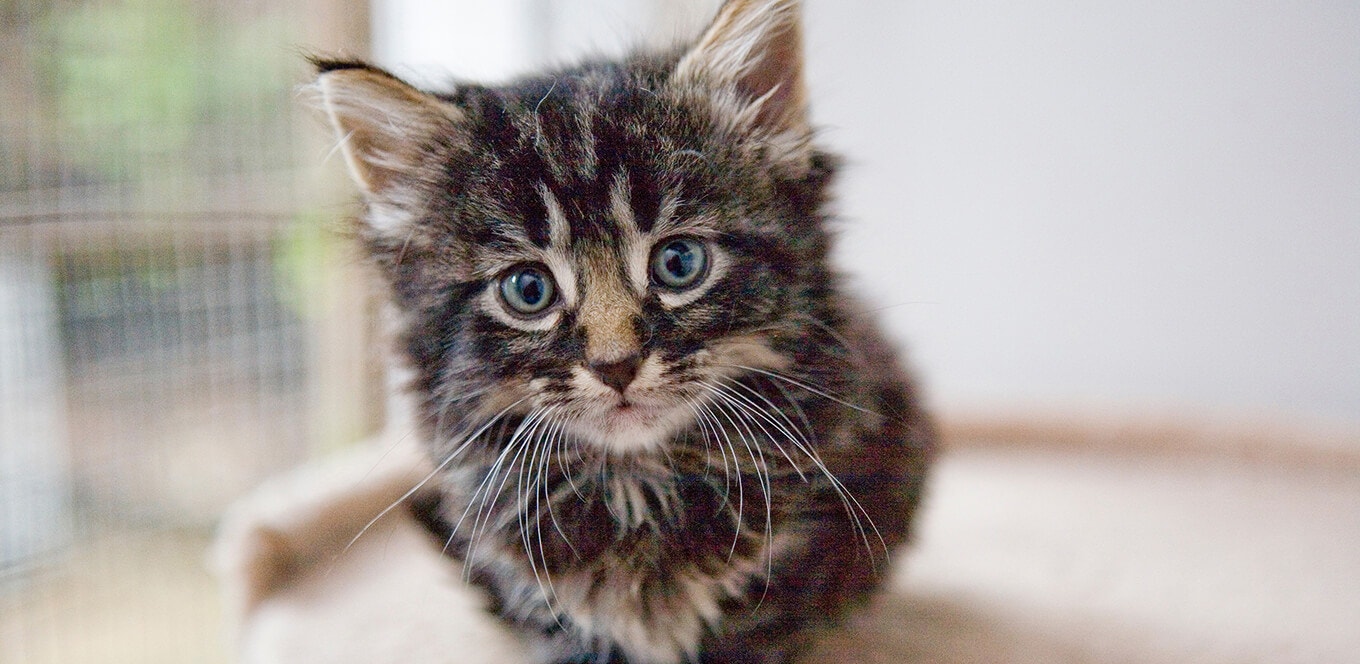
Caring for a feline friend goes beyond cuddles; it also entails paying close attention to its dietary needs. One crucial aspect of cat nutrition is the role of high-protein diets. It offers numerous benefits, including promoting overall health, energy, and a strong immune system. A protein-rich diet has many benefits for cats, like:
Prevents obesity
Cats being carnivores thrive on diets predominantly rich in animal-based protein. The magical twist here is that such a diet significantly reduces the risk of obesity in your feline companion.
Wards off diabetes
Obesity in cats often opens doors to diabetes. However, a high protein diet acts as a preventive measure, keeping those blood sugar levels in check and reducing the risk of diabetes.
Aids weight loss
If your cat needs help shedding a few pounds – high-protein cat food is your ally. Not only does it keep its weight in check, but also supports weight loss by helping your cat feel satisfied and full.
Builds immunity
Protein-rich cat food goes beyond weight management. It furnishes the essential amino acids necessary for tissue repair, growth, and a robust immune system. Without ample protein, your feline friend might face muscle loss and a compromised ability to fend off illnesses.
This is a premium cat food designed to cater to the unique needs of indoor cats. This high-protein formula boasts quality ingredients like chicken by-product meal, L-carnitine, beet pulp, and natural fibre, making it an excellent choice for cat parents seeking to provide weight control and hairball care.
Quality protein:
With chicken by-product meal as its main protein source, this premium cat food ensures muscle maintenance and overall health in indoor cats.
Weight control:
The addition of L-carnitine supports the metabolising of fats, crucial for maintaining a healthy weight and preventing obesity.
Hairball care:
Natural fibre and beet pulp promote healthy digestion, reducing hairball issues, a common concern for indoor cats.
Grain sensitivity: This super premium cat food contains corn, wheat, and maize gluten, which may not be suitable for cats with grain sensitivities or allergies.
Individual dietary needs: As every cat is unique, consult with your vet to ensure this product aligns with your cat's specific health concerns or dietary preferences.
IAMS Proactive Health cat food for Mother and Kitten is a premium kitten food designed to nurture your young feline's growth and development. Packed with high-quality ingredients, including chicken by-product meal, Omega-3, and chicken, IAMS kitten food formula offers essential nutrients for your kitten's well-being. Notably, it contains Colostrum and DHA, supporting eye and brain development during those crucial early stages of life.
Quality protein:
With chicken by-product meal as a primary protein source, IAMS cat food provides essential amino acids for muscle development and overall health.
Omega-3:
The inclusion of Omega-3 fatty acids in fish oil in IAMS kitten food ensures healthy skin and a shiny coat, enhancing your kitten's appearance.
Colostrum and DHA:
Colostrum supports a strong immune system, and DHA aids in cognitive development, making IAMS kitten food ideal for nurturing young kittens.
Grain content:
IAMS cat food contains ingredients like corn and wheat, which may not be suitable for kittens with grain sensitivities or allergies. Consider your kitten's dietary needs.
Transition:
When switching to this food, it is essential to gradually introduce it to your kitten's diet to prevent digestive issues.
Consultation:
For personalised recommendations and to ensure this high-protein kitten food aligns with your kitten's specific health requirements, consult with your veterinarian.
When it comes to your cat's nutrition, protein is the name of the game for keeping your furry friend in the best shape. But navigating pet food labels can sometimes feel like cracking a secret code. What is the trick to figuring out how much protein your cat needs?
Well, it all boils down to moisture. Pet food labels come in two flavours: 'dry matter basis' and 'as-fed basis.' Most labels use the 'as-fed' basis, including water content, which can be a tad confusing.
Locate the Moisture and Crude Protein values in the Guaranteed Analysis section. Subtract the Moisture percentage from 100 to find the per cent dry matter. Divide Crude Protein by the per cent dry matter, then multiply by 100.
When wondering how to choose cat food with high protein content, you will want to consider a few key factors:
Crude protein percentage: High-protein cat food typically contains 25-30% or more protein on a dry matter basis, excluding moisture content, for accurate comparisons.
Animal-based protein sources: Look for cat foods that primarily source protein from animals like chicken, turkey, beef, or fish, ensuring they get essential amino acids.
Limited fillers: Avoid cat foods with excessive grains and starches, as they can dilute the overall protein concentration in the food.
Avoid plant-based proteins: Check the ingredient list for plant-based proteins like soy or pea protein concentrate, which should not be the primary protein source in high-protein cat food.
Premium cat food: Choose well-known, reputable cat food brands with a history of producing high-quality, high-protein premium cat food options.
NOTE: Consult your vet to determine the ideal protein content based on your cat's age, activity level, and health, as individual needs may vary.
Muscle health: High-protein cat food supports the development and maintenance of strong, lean muscles in your furry companion.
Energy: Protein provides the energy needed for your cat's playful and active lifestyle.
Healthy coat and skin: Protein-packed diets contribute to a glossy, healthy coat and skin.
Weight management: High-protein cat food helps your cat maintain a healthy weight by keeping it feeling full on fewer calories.
Cost: Quality ingredients come at a price, but investing in your cat's health is worth it.
Kidney health: Some discussions suggest high-protein diets might strain the kidneys, but it is a topic of debate and does not apply to all cats.
Allergies and sensitivities: Keep an eye on your cat's reactions to different protein sources as they can develop allergies or sensitivities.
When transitioning your cat to a high-protein diet or introducing new foods, do it gradually to prevent digestive issues. For guidance on the right protein level for your cat's specific needs, especially if they have underlying health concerns, consult with your veterinarian. IAMS cat food provides your feline friend with the perfect balance of protein and nutrients, ensuring they lead a happy, healthy life.