Enter a keyword below to search for articles and products.
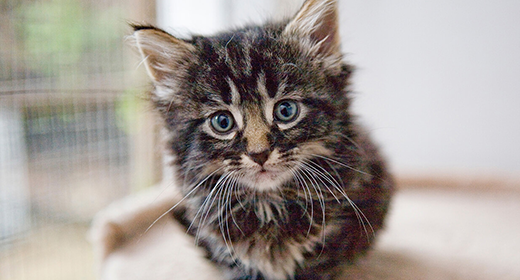
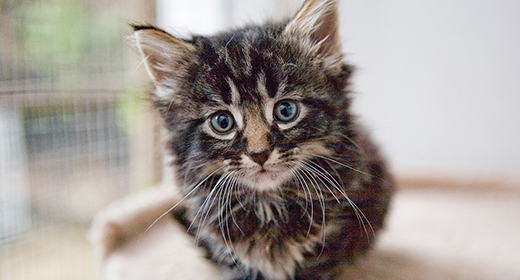
So you have a new kitten — congratulations! You’re about to embark on a pet ownership journey that could span several decades. But if you’ve never owned a cat or kitten before, you may have questions about how to keep your kitten healthy and thriving. Use our guide to get started, and welcome to pet parenthood.
When you choose a veterinarian, you’re choosing a partner in your kitten’s health care. Scheduled vaccinations and yearly examinations mean that you’ll see your veterinarian on a regular basis, so choose wisely. When researching veterinary clinics for your cat, make sure to do the following:
Owners should have their cats spayed or neutered unless they plan to show or breed them. Veterinarians advise spaying or neutering by at least 6 months of age. Consider the following:
Each year, millions of cats are euthanized because the new cat population far exceeds the number of homes that can be found for them. Here’s why you should consider spaying or neutering your kitten:
While we hope your kitten experiences few, if any, health issues over the course of her life, it’s smart to familiarize yourself with common cat ailments. Use our guide to some of the most common medical issues that can affect kitten health. The more you know, the better you’ll be able to notice when your kitten isn’t feeling well.
Most common in warm spring and summer months, these pinhead-size insects can be active all year long. Fleas can jump onto your cat, lay their eggs, breed, and spread to your furniture and to you, looking for blood. In addition to causing discomfort and scratching in many cats, fleas can transmit parasitic or infectious diseases, including tapeworms. A severe flea infestation may, in turn, cause anemia (low red blood cell count) and/or allergic dermatitis, a skin allergy characterized by itching and irritation. Though some cats become irritable and scratch, others have no visible signs of discomfort.
Luckily, flea prevention treatments are numerous and easy to give:
Hairballs are tube-shaped, brown masses of hair fibers. When cats clean themselves, they swallow fur. Because hair isn’t digestible, it either passes through and ends up in the litter box or it is vomited.
Cats that pass hairballs more than once a week or that pass foul-smelling hairballs may have a serious underlying health problem. See your veterinarian if your cat experiences frequent hairballs.
Here’s how to help prevent hairballs in your kitten or cat:
Feline lower urinary tract disease is a potentially fatal, painful inflammation of the lower urinary tract that can be caused by viruses, bacteria, diet, decreased water consumption or urine retention.
Symptoms include blood in the urine, difficult and frequent urination (often in small quantities), inappropriate urination, lack of energy and loss of appetite.
You can help your cat maintain proper urinary acidity and magnesium levels through a properly balanced diet that helps promote urinary tract health.
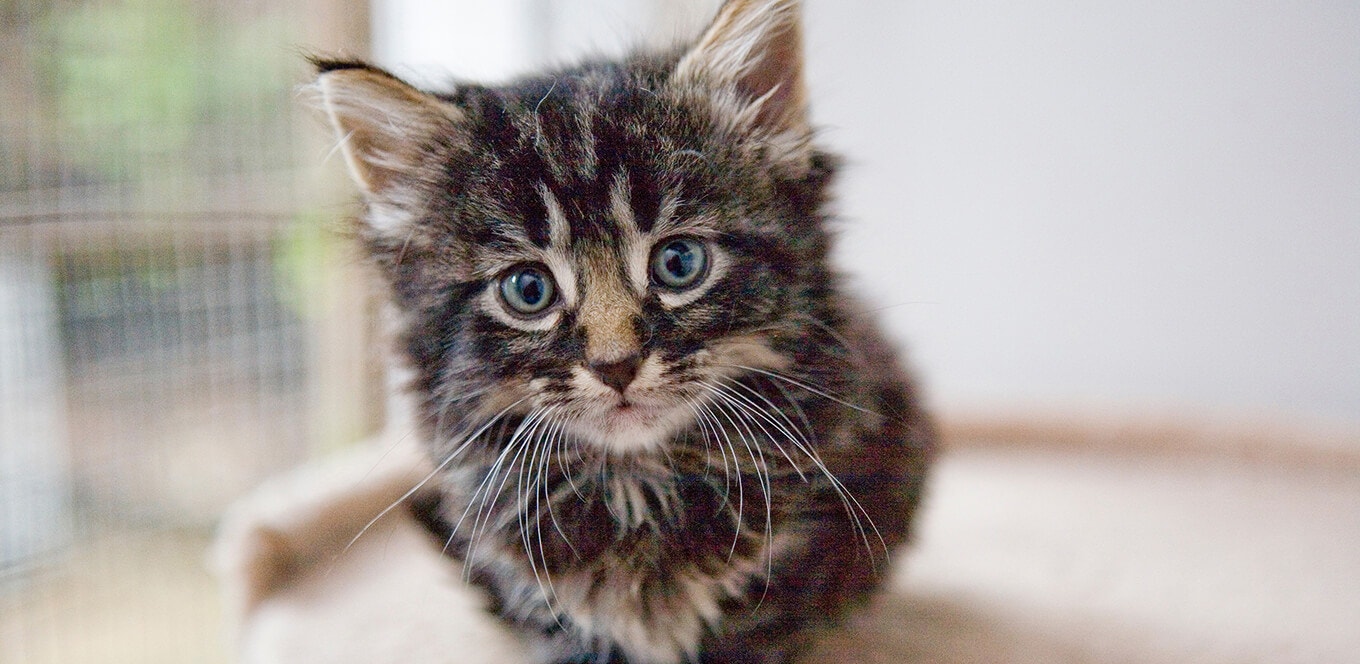
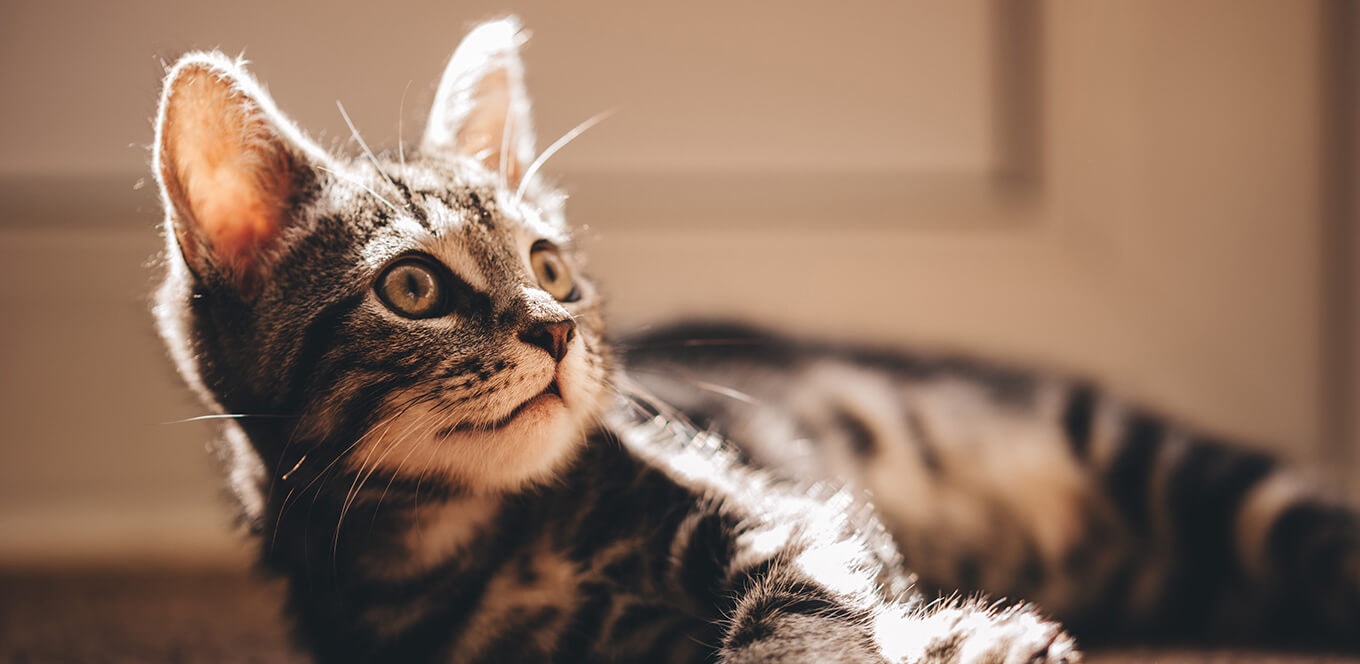
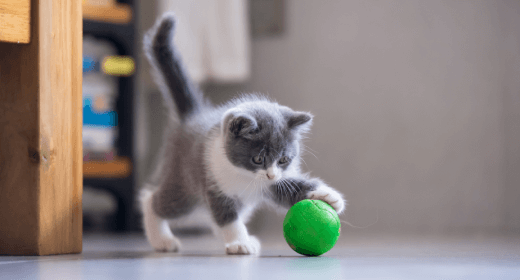
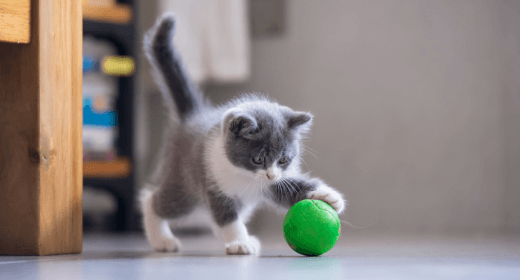
Your kitten is one of a kind, not to mention adorable. But training your li’l baby comes with some basic guidelines. Scroll on for a handful of our favorite kitten training tips.
Introduce your new kitten to their litter box as soon as they get home. Then always set your cat in their box right after meals and as soon as they wake up from naps.
And don’t forget to reward your kitten with a treat, toy or some extra love after they use it.
Kitty, meet litter.
Litter, meet kitty.
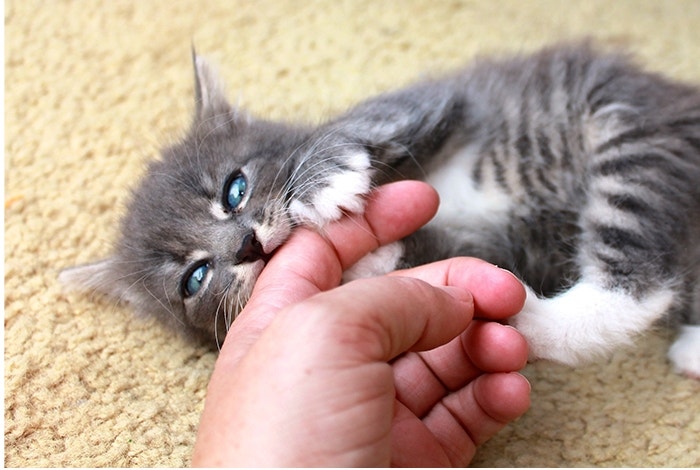
When Kitty forgets their manners and bites you or shows their aggressive side, say “ow” or “no” clearly and sternly.
Then slowly remove your hand — or other body part — from their razor-sharp clutches. Pick up your kitten, place them away from you, walk away and ignore them.
You can also redirect them to a feather wand or another toy or activity if you want. But that’s your call.
Ouch!
That’s my hand,
not a treat, tiny cat.
By giving your little feline lots of sturdy scratching posts throughout your house, especially where they like to hang out, you can save your favorite furniture from unwanted claw marks and damage.
Oh, and be sure to trim your kitten’s nails regularly.
Say it with me:
Sofas are NOT
scratching posts.
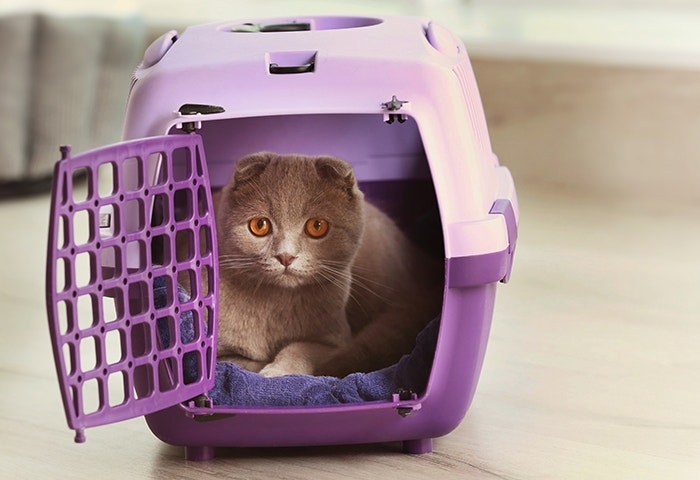
Teach your kitten that their cat carrier is a safe, comfortable place to chillax and feel protected.
Trust us, by making a carrier part of your fuzzball’s daily life, road trips and vet visits will be easier and safer for years to come.
Cozy up,
Buttercup.
It's midnight. Bring on the zoomies, furry one.
(Actually, please don’t.)
Want to stop your kitten from bouncing off the walls while you’re supposed to be deep in slumber land? Try these tips.
Have a long play session later in the evening.
Feed your feline a big meal of delicious, nutritious Opens a new windowIAMS™ Healthy Kitten or PERFECT PORTIONS™
Spend 15 minutes of purr-worthy snuggle time before you hit the hay.
Yep, it’s true! One of our favorite Opens a new windowstudies from the University of South Australia proved it.
To help train your kitten, pick the word that best describes them:
These anxious felines tend to run away when the doorbell rings and are fearful of new situations.
The key to training a skittish kitty? Practice lots of patience and never force them to face their fears, like meeting your house guests after they’ve already runaway and hidden.
Some call them nosy, but we call them fearless. Outgoing kitties are curious and adventurous. They love to explore and get into everything — and they sometimes act naughty because they’re bored.
One of the tricks to training an outgoing kitten is to give them lots of toys and actively play with them. It stimulates their mind and helps burn off energy.
“Bossy” best describes these kitties. They bully other cats (and even other pets) and hog things like food bowls, toys and litter boxes.
If your kitten fits this category, be consistently firm and make sure you play with them regularly so they have less energy to be aggressive.
You might also want to make sure your little CEO (Cat Executive Officer) has their own food bowl, water bowl and litter box.
Two words describe these felines: impulsive and erratic. Their behavior and moods are unpredictable, even if they’ve encountered the same situation before.
When training, never raise your voice — it’ll just ramp up your kitty’s nerves and make them more erratic.
Also, be sure to stick to a consistent daily schedule for feeding and playtime so your little fuzzball knows what to expect and doesn’t get stressed out.
This personality is every cat lover’s dream.
These sweeties can usually be found curling up against your shins, meowing loudly and purring away.
The key to training these kittens is to never yell and to socialize them early and often. That way, they’ll continue to be everyone’s best friend for life.
You had me at
meow, li’l feline.