Enter a keyword below to search for articles and products.
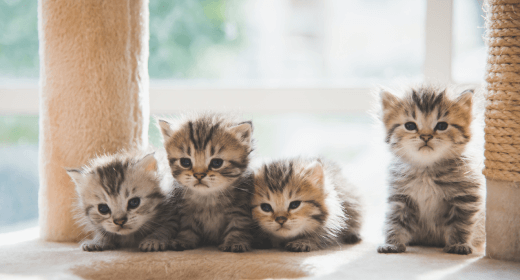
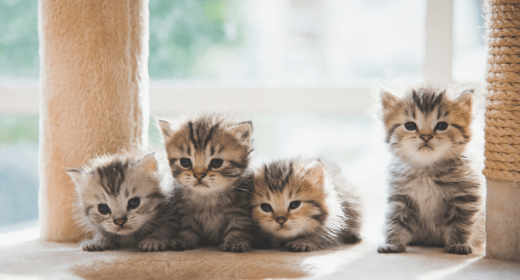
Providing your kitten with the proper nutrition goes way beyond just putting fresh food in a clean bowl. Your kitten’s nutritional needs will change as her body develops through adolescence. Proper nutrition during these critical growth periods will help your kitten mature into a strong, healthy adult cat. Discover four essential kitten-feeding tips you need to know in your kitten’s first year.
Learning what development milestones your kitten will experience in her first year will help you decide what and when to feed her.
After kittens are weaned, they enter a stage of rapid growth, which lasts through the sixth month of life. They need a balanced diet to deliver the nutrients and energy to sustain such rapid development.
Kittens have twice the energy needs of adult cats on a pound-per-pound basis. But their smaller mouths, teeth and stomachs limit the amount of food they can digest during a single meal. Therefore, it may be best to divide their total daily food amount into three or four smaller meals.
Because every bite must be packed with nutrition, kittens require a diet specifically formulated for growth. The best choice is a food with animal-based proteins that is highly digestible, nutrient dense and designed to meet kittens’ unique nutritional needs.
As kittens approach adult size, their nutritional requirements begin to change again. Their rate of growth begins to slow, activity levels may decline and they can start eating fewer, larger meals each day. During this stage, kittens begin to look like adults, but they are still growing and need the special nutrition found in kitten food.
The adolescent growth stage is a time when many cat owners are tempted to change a kitten’s food for variety. But cats do not get bored with a consistent diet of high-quality dry food. You can supplement your kitten’s dry food with a nutrient-dense canned food for a nutritious change of pace.
When your cat is about 12 months old, it’s time to switch to a maintenance formula adult cat food, such as IAMS™ ProActive Health™ Healthy Adult with Chicken. At this age, cats no longer need the extra calories and nutrients for growth supplied by kitten food. As with any change in a cat’s diet, remember to gradually transition from kitten food to adult food over a period of several days.
Monitor your cat’s weight and body condition during the transition, and adjust feeding portions if necessary. Because cats generally eat only what they need, free-choice feeding is fine for most cats. However, some indoor cats that don’t exercise much may overeat if fed free choice. In this situation, portion-controlled feeding twice a day is a good alternative.
Giving a kitten “human food” and table scraps can lead to undesirable behaviors, such as begging or stealing food. Feeding homemade diets or food formulated for adult cats (especially those designed for weight loss), or supplementing a complete and balanced diet with vitamins could cause nutritional disorders.
Kittens and cats are strict carnivores and need the nutrients found in meat. For example, sufficient amounts of taurine, an essential amino acid provided naturally through meat, help cats maintain healthy eyes, heart and reproduction. All IAMS kitten and cat food formulas have optimal levels of taurine for every life stage.
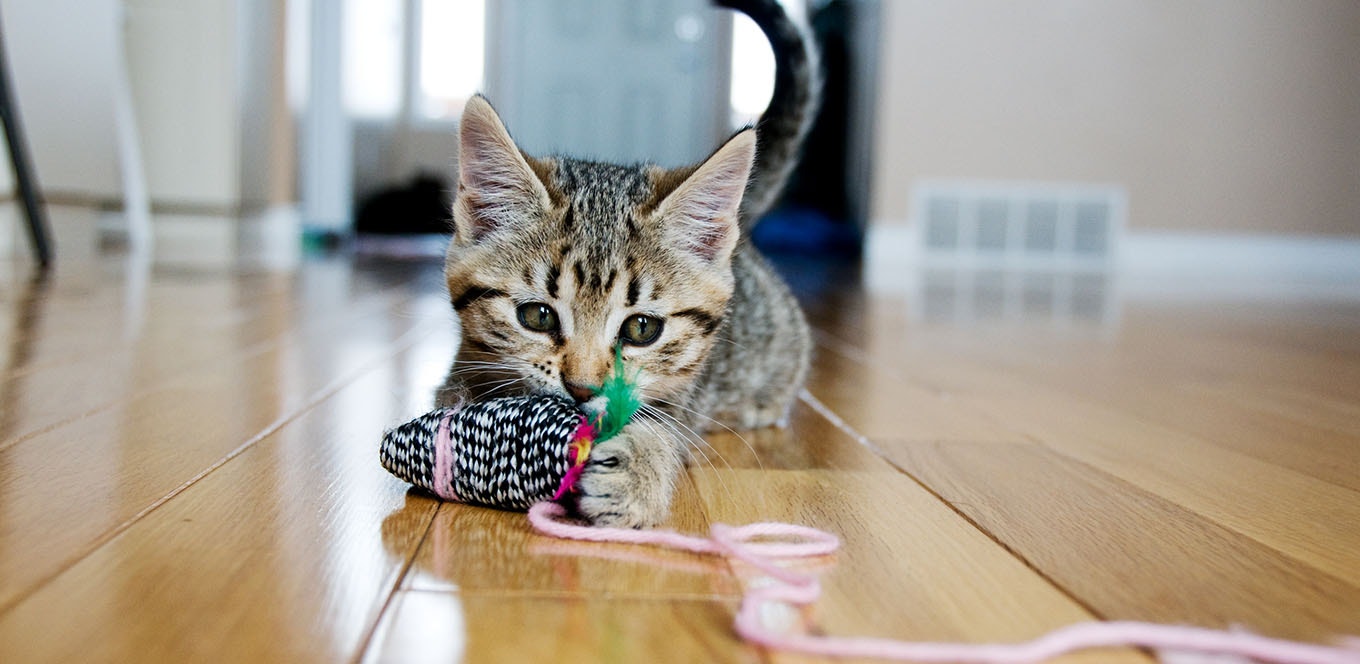
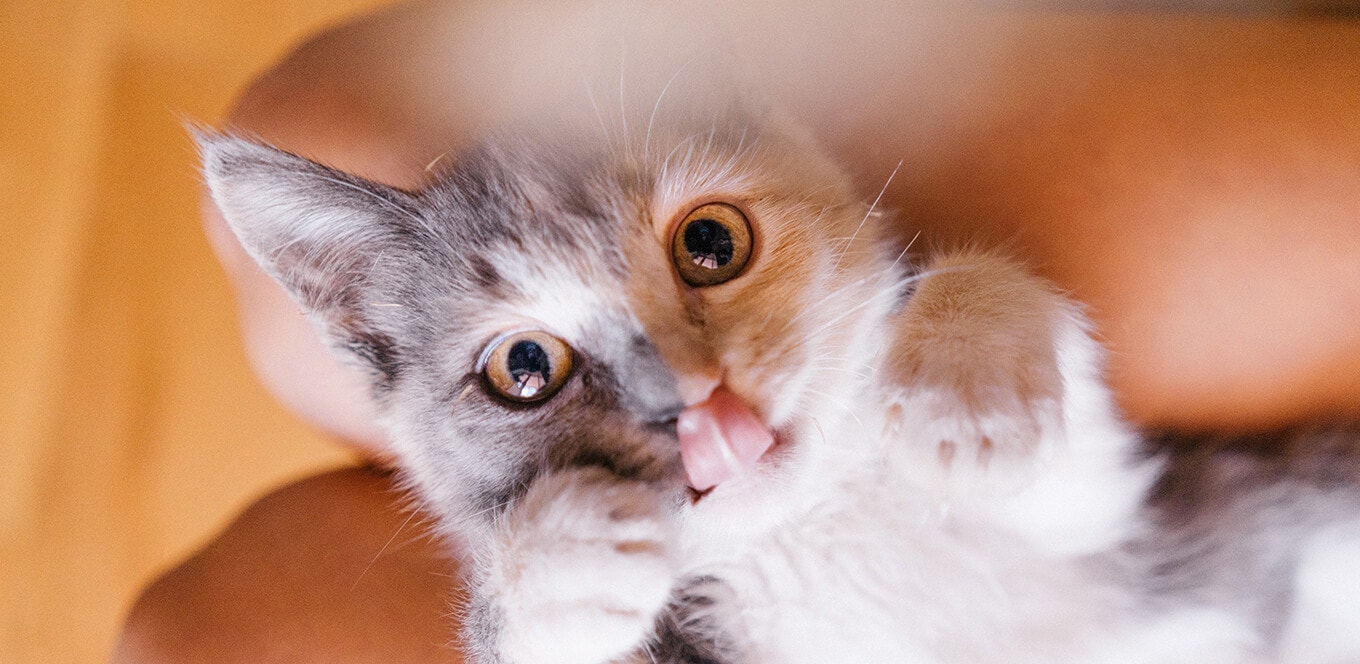
Your kitten is one of a kind, not to mention adorable. But training your li’l baby comes with some basic guidelines. Scroll on for a handful of our favorite kitten training tips.
Introduce your new kitten to their litter box as soon as they get home. Then always set your cat in their box right after meals and as soon as they wake up from naps.
And don’t forget to reward your kitten with a treat, toy or some extra love after they use it.
Kitty, meet litter.
Litter, meet kitty.
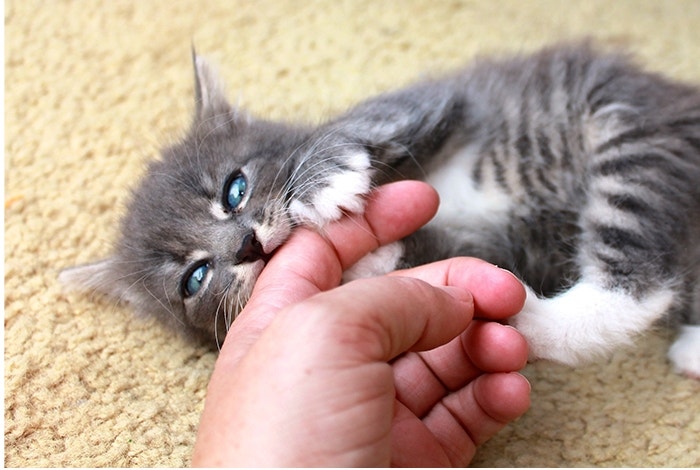
When Kitty forgets their manners and bites you or shows their aggressive side, say “ow” or “no” clearly and sternly.
Then slowly remove your hand — or other body part — from their razor-sharp clutches. Pick up your kitten, place them away from you, walk away and ignore them.
You can also redirect them to a feather wand or another toy or activity if you want. But that’s your call.
Ouch!
That’s my hand,
not a treat, tiny cat.
By giving your little feline lots of sturdy scratching posts throughout your house, especially where they like to hang out, you can save your favorite furniture from unwanted claw marks and damage.
Oh, and be sure to trim your kitten’s nails regularly.
Say it with me:
Sofas are NOT
scratching posts.
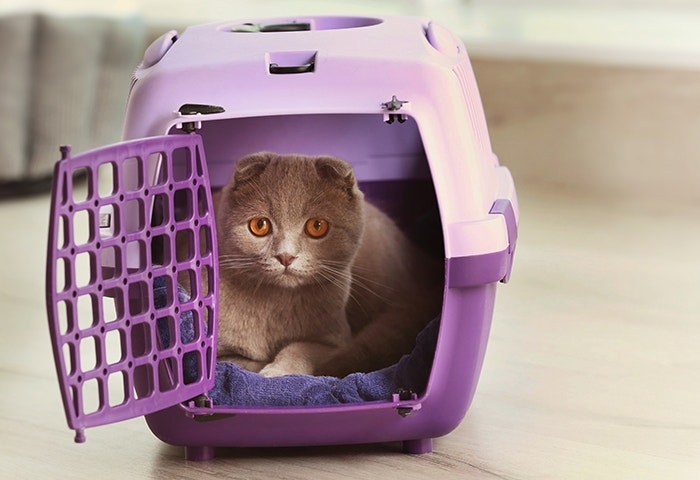
Teach your kitten that their cat carrier is a safe, comfortable place to chillax and feel protected.
Trust us, by making a carrier part of your fuzzball’s daily life, road trips and vet visits will be easier and safer for years to come.
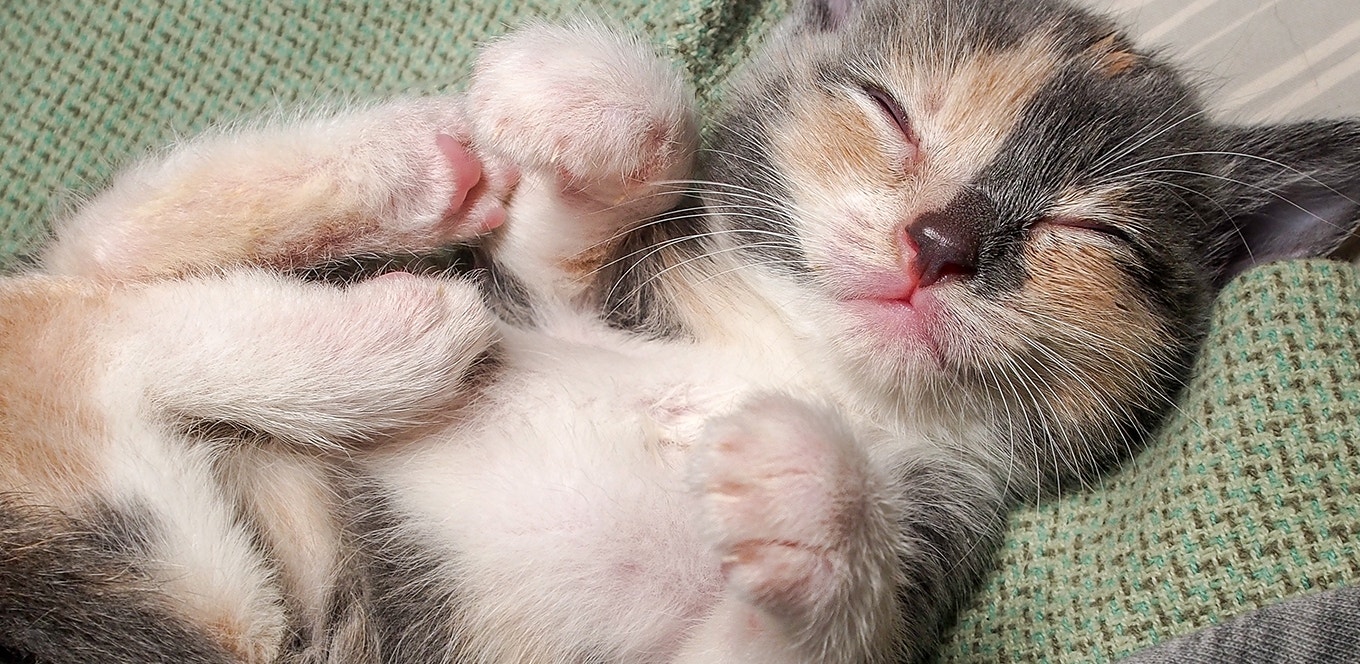
Cozy up,
Buttercup.
It's midnight. Bring on the zoomies, furry one.
(Actually, please don’t.)
Want to stop your kitten from bouncing off the walls while you’re supposed to be deep in slumber land? Try these tips.
Have a long play session later in the evening.
Feed your feline a big meal of delicious, nutritious Opens a new windowIAMS™ Healthy Kitten or PERFECT PORTIONS™
Spend 15 minutes of purr-worthy snuggle time before you hit the hay.
Yep, it’s true! One of our favorite Opens a new windowstudies from the University of South Australia proved it.
To help train your kitten, pick the word that best describes them:
These anxious felines tend to run away when the doorbell rings and are fearful of new situations.
The key to training a skittish kitty? Practice lots of patience and never force them to face their fears, like meeting your house guests after they’ve already runaway and hidden.
Some call them nosy, but we call them fearless. Outgoing kitties are curious and adventurous. They love to explore and get into everything — and they sometimes act naughty because they’re bored.
One of the tricks to training an outgoing kitten is to give them lots of toys and actively play with them. It stimulates their mind and helps burn off energy.
“Bossy” best describes these kitties. They bully other cats (and even other pets) and hog things like food bowls, toys and litter boxes.
If your kitten fits this category, be consistently firm and make sure you play with them regularly so they have less energy to be aggressive.
You might also want to make sure your little CEO (Cat Executive Officer) has their own food bowl, water bowl and litter box.
Two words describe these felines: impulsive and erratic. Their behavior and moods are unpredictable, even if they’ve encountered the same situation before.
When training, never raise your voice — it’ll just ramp up your kitty’s nerves and make them more erratic.
Also, be sure to stick to a consistent daily schedule for feeding and playtime so your little fuzzball knows what to expect and doesn’t get stressed out.
This personality is every cat lover’s dream.
These sweeties can usually be found curling up against your shins, meowing loudly and purring away.
The key to training these kittens is to never yell and to socialize them early and often. That way, they’ll continue to be everyone’s best friend for life.
You had me at
meow, li’l feline.