IAMS SG
Kitten and cat adoption basics

adp_description_block478
Basics Of Cat Adoption

  • Share

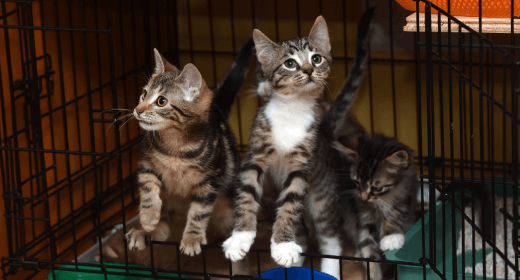
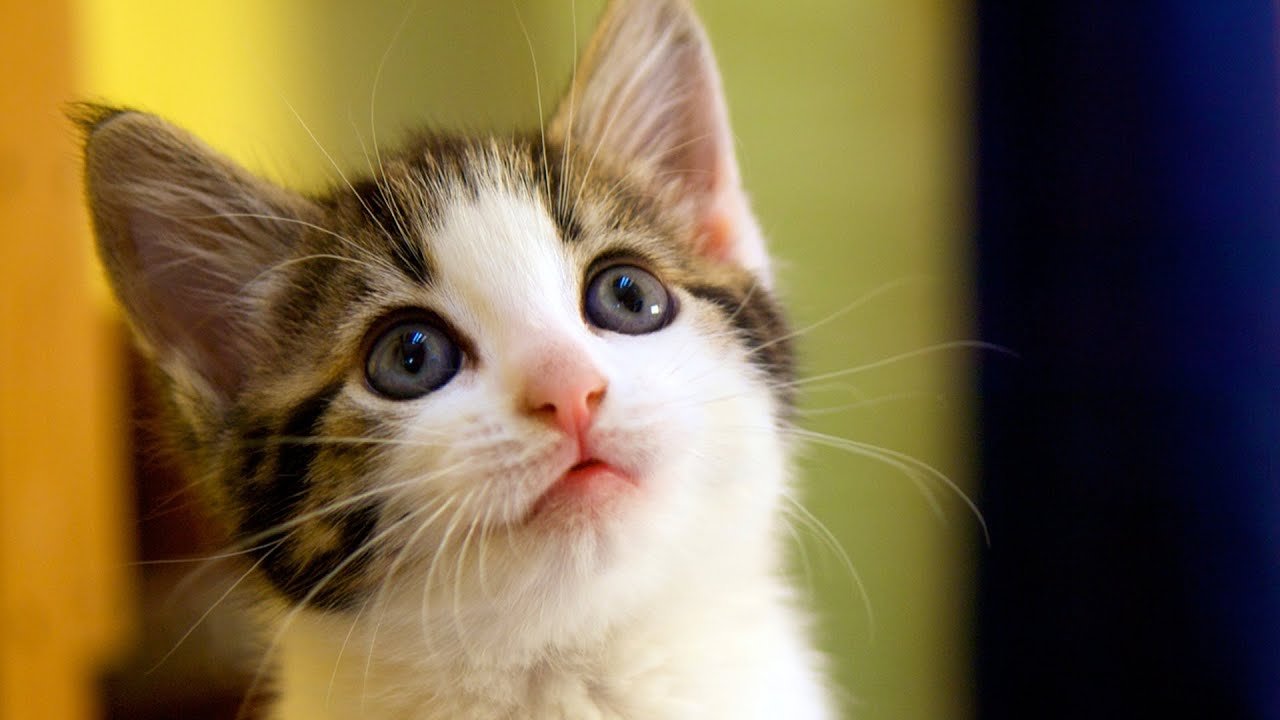
Adopting a cat can see you develop one of the most beautiful bonds of your life as you connect with your feline friend. Cats are playful creatures who can be very affectionate and form a strong relationship with you. Every time you play with your cat or simply spend time with them, you may notice a significant drop in stress levels and experience a boost of happiness. However, it is important to remember that cat adoption is a big decision which comes with a lot of responsibilities. Your home will become the cat’s home and you become their family. To ensure they get the best possible future with you, there are a few things that you need to understand before proceeding with cat adoption.
 

Things to consider before cat adoption

Whether you are opting to adopt a kitten or a grown cat, here are some things you need to consider before going through with the entire process.
 

  1. The cat will need to be spayed/neutered:

    If the cat has not been spayed or neutered already at the time of adoption, you will need to get this done. If you are adopting a kitten, you will need to get them spayed/neutered once they are of suitable age. Do talk to the shelter house and a vet for more information on the procedure.
     
  2. Proceed with cat adoption only after reviewing your routine:

    If you lead a busy lifestyle, you will need to consider how you will make time for your cat. This includes taking care of your pet and maintaining their feeding times. You will need to dedicate your time to planning the right food, serving meals at proper intervals, and ensuring that you can make time for play too.
     
  3. Adoption is a long-term commitment:

    Adoption is a permanent duty and a bond that lasts for a lifetime. When you bring home a rescued cat or adopt one from a shelter, you are providing the animal with new hope. The cat will be a member of your family and you will need to treat them as such. The lifespan of cats generally ranges from 12 to 20 years, and this is how long your commitment will be. Only once you have considered the enormity of your decision and are ready for it, should you go through with cat or kitten adoption.


Providing favourable conditions for the adopted cat

Before you bring home an adopted or a rescued cat, you will need to make a few changes in your house to create favourable conditions for them. You can begin by doing the following:

  1. Remove items that can be toxic to a cat, like certain plants or chemical agents.
  2. Cover up exposed electrical wires in a way that the cat can’t reach them (since they might try to chew up the wire, which can lead to a severe accident).

  3. Prepare your kids and teach them the basics of being responsible around a cat.

  4. Keep a special room or space for the cat, so they can feel safe and get a sense of belonging.

  5. Find a vet near your area where you can take the rescued cat for regular check-ups.


What are some benefits of cat adoption?

Adopting a cat also has many benefits such as:
 

  1. You help a cat in need:

    If you adopt a cat instead of buying one, you will be helping a cat in need. You will be giving a rescued cat much-needed shelter, their own space, and a family that loves them.
     

  2. The cat will most likely be trained:

    A cat that is adopted from a shelter will already be trained in basic activities like feeding from a bowl and using a scratching post.
     
  3. You can adopt a cat based on their personality:

    One of the biggest benefits of adopting a cat from a shelter is that they often have an already established personality. This makes it easier for people to adopt a cat that best suits their lifestyle.
     

Factors to keep in mind when adopting a cat

When adopting a cat, here are a few factors you should keep in mind:

  1. Presence of other pet cats:

    If you have other cats at home, you will need to adopt a cat that likes their company. You can talk to the shelter home about this, so they direct you to cats who bond well with other cats. 
     

  2. The inevitable costs:

    Adopting and taking care of cats means having to bear quite a few costs – costs of regular vet visits, medicines, foods, toys, and more. Moreover, if you are bringing home a rescued cat, they may require even more care and attention from a vet. So, do consider these costs before proceeding with the adoption.
     
  3. Your routine:

    When you adopt a cat, you should be able to make time for them and give them proper care and attention. You can also consider adopting a cat whose lifestyle matches yours. For instance, a cat who likes being independent can be a perfect choice for someone who is often busy.


Essentials to purchase for your cat

To give your cat the best life, ensure that you have all of the following essentials:

  1. Food and water bowls
  2. Litter box
  3. Scratching post
  4. Toys
  5. Cat nips
  6. Cat grooming equipment
  7. A durable carrier or crate
  8. Cat bed
  9. Collar with an ID tag

Frequently asked questions

  1. What is the best age cat to adopt?
  2. If you are looking to adopt a kitten, the age of the kitten should ideally be 12 weeks. At 12 weeks of age, kittens are ready to move into a new home. You can also adopt a middle-aged cat that is younger than 10 years. Middle-aged cats usually have developed a personality which makes it easy to adopt them. Cats are also at their healthiest during this time. Adopting an elderly cat, who is over 10 years of age, also has some benefits. For instance, senior cats will already have a developed personality, and will most likely be less active and prefer staying indoors.

  3. What basics do you need for a cat?
  4. A few basic things that you need for a cat are food and water bowls, a litter box, a scratching post, some toys, cat nips, some cat grooming equipment, a carrier or a crate, a cat bed, and a collar with an ID tag.

  5. What is the first thing you should do when you get a cat?
  6. The first thing you should do after you bring a cat home is to make them feel safe and secure. The cat may feel nervous at first and might take time to open up and get used to you. Give your new pet the time and space they require, and they will adapt to you. Meanwhile, you should also have good quality cat food, food bowls, and water bowls ready at hand.

  7. How long does it take for a cat to bond with you?
  8. There are a lot of factors which affect how quickly a cat bonds with you. Some of these factors include how old the cat is, what kind of shelter they have grown up in, whether they had a home before that, and what kind of life they had in that home. Bonding also majorly depends upon your behaviour towards the cat. So, there is no definite number of days to answer this question. All you can do is show the most care and affection possible to the cat while also giving them the required space and time to connect with you.

  9. How long does it take an adopted cat to adjust?
  10. A lot of factors affect how quickly an adopted cat can adjust to their new home and new owner. These factors include the cat’s age, whether they had a home before yours, and whether they had a good life there. The cat’s ability to adjust also depends upon the circumstances that brought them to the shelter home and your behaviour towards them. It is best to be patient and wait for your feline friend to get used to their new life.


  • Why Fiber Is Important for Your Cat’s Nutrition
    Why Fiber Is Important for Your Cat’s Nutrition

    adp_description_block248
    Fiber For Cats

    • Share

    Fiber is a type of carbohydrate that isn't digested by a cat's gastrointestinal tract. It is important for cat health, because it provides bulk to move food through. Some types of fiber can be fermented (broken down by bacteria) in the system. This process creates short-chain fatty acids (SCFA), which are an important energy source for the cells lining the intestinal tract.


    What's Good for You May Not Be Good for Your Cat

    Today, people are more aware of fiber and its role in their diet. Studies showing the beneficial effects of higher fiber levels in humans influence the way many people think about their own food and that of their pets. Some manufacturers now apply the recommendations of human nutritionists and make high-fiber diets for cats, but cats have a much shorter digestive tract than we do. And unlike humans, cats are carnivorous, so their nutritional needs are better satisfied with meat rather than plant matter. Therefore, cats have different dietary needs than humans. For more than 60 years, companion animal nutritionists at IAMS™ have been studying diets to meet the special nutritional needs of cats.


    Fiber Levels and Fermentability

    IAMS Company research shows the optimal crude fiber level for healthy cats ranges from 1.4% to 3.5%. At these levels, nutrient breakdown is maximized. In unique situations, such as hairballs, higher fiber levels may be beneficial.

    An important characteristic of fiber is its fermentability, or how well it can be broken down by bacteria in the intestine. This breakdown produces short-chain fatty acids, which provide energy to the intestines. Fiber varies in fermentability. Fiber sources used in pet foods include cellulose, which is poorly fermentable; beet pulp, which is moderately fermentable; and gums and pectin, which can be highly fermentable. Research has shown that moderate levels of moderately fermentable fiber, such as beet pulp, provide the benefits of energy for the intestinal lining and bulk, without the negative effects of excessive stool or gas and, therefore, are beneficial in cat diets.


    High Fiber and Weight Loss

    High levels of poorly fermentable fiber are used in some weight-reduction pet foods to dilute the calories in a serving. IAMS Company research shows that high fiber levels can make it harder to digest other nutrients in the food and, in turn, reduce the nutritional quality of a cat's diet. Your cat making more trips to the litter box can be a result.


    Fiber and IAMS Cat Foods

    When choosing a pet food, fiber is an important consideration, but remember that the needs of cats are not the same as those of humans. A moderate level of moderately fermentable fiber, such as beet pulp, provides proven nutritional benefits for cats. Cat diets containing high levels of poorly fermentable fiber dilute calories and deprive cats of the nutrients they need.
     

    All IAMS products are made with levels of moderately fermentable fiber needed to promote intestinal health. And all IAMS foods, such as IAMS ProActive Health™ Adult Original with Chicken, contain the moderately fermentable fiber system, which is the exclusive property of IAMS Company and is protected by U.S. Patent No. 5,616,569 for Pet Food Products Containing Fermentable Fibers and Process for Treating Gastrointestinal Disorders.

Close modal