IAMS SG
Kitten and cat adoption basics

adp_description_block60
Basics Of Cat Adoption

  • Share

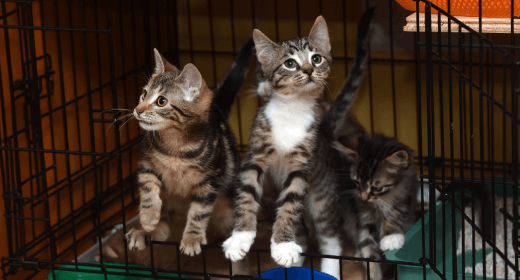
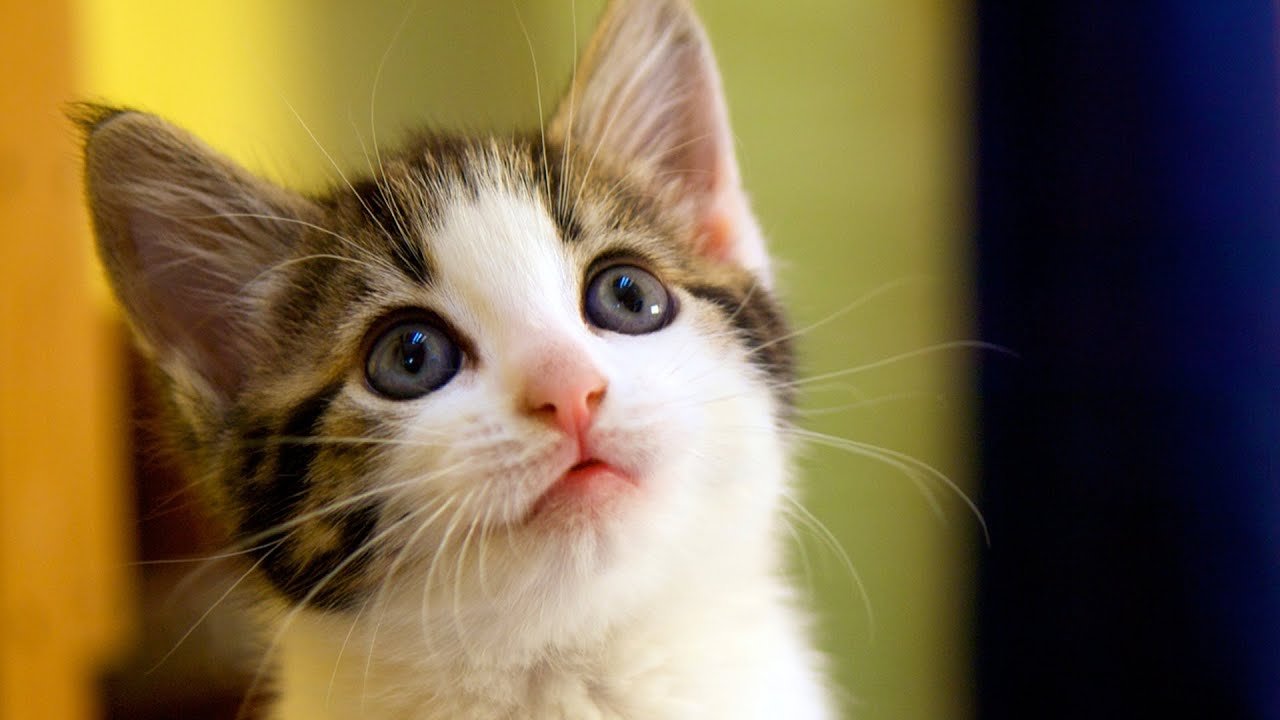
Adopting a cat can see you develop one of the most beautiful bonds of your life as you connect with your feline friend. Cats are playful creatures who can be very affectionate and form a strong relationship with you. Every time you play with your cat or simply spend time with them, you may notice a significant drop in stress levels and experience a boost of happiness. However, it is important to remember that cat adoption is a big decision which comes with a lot of responsibilities. Your home will become the cat’s home and you become their family. To ensure they get the best possible future with you, there are a few things that you need to understand before proceeding with cat adoption.
 

Things to consider before cat adoption

Whether you are opting to adopt a kitten or a grown cat, here are some things you need to consider before going through with the entire process.
 

  1. The cat will need to be spayed/neutered:

    If the cat has not been spayed or neutered already at the time of adoption, you will need to get this done. If you are adopting a kitten, you will need to get them spayed/neutered once they are of suitable age. Do talk to the shelter house and a vet for more information on the procedure.
     
  2. Proceed with cat adoption only after reviewing your routine:

    If you lead a busy lifestyle, you will need to consider how you will make time for your cat. This includes taking care of your pet and maintaining their feeding times. You will need to dedicate your time to planning the right food, serving meals at proper intervals, and ensuring that you can make time for play too.
     
  3. Adoption is a long-term commitment:

    Adoption is a permanent duty and a bond that lasts for a lifetime. When you bring home a rescued cat or adopt one from a shelter, you are providing the animal with new hope. The cat will be a member of your family and you will need to treat them as such. The lifespan of cats generally ranges from 12 to 20 years, and this is how long your commitment will be. Only once you have considered the enormity of your decision and are ready for it, should you go through with cat or kitten adoption.


Providing favourable conditions for the adopted cat

Before you bring home an adopted or a rescued cat, you will need to make a few changes in your house to create favourable conditions for them. You can begin by doing the following:

  1. Remove items that can be toxic to a cat, like certain plants or chemical agents.
  2. Cover up exposed electrical wires in a way that the cat can’t reach them (since they might try to chew up the wire, which can lead to a severe accident).

  3. Prepare your kids and teach them the basics of being responsible around a cat.

  4. Keep a special room or space for the cat, so they can feel safe and get a sense of belonging.

  5. Find a vet near your area where you can take the rescued cat for regular check-ups.


What are some benefits of cat adoption?

Adopting a cat also has many benefits such as:
 

  1. You help a cat in need:

    If you adopt a cat instead of buying one, you will be helping a cat in need. You will be giving a rescued cat much-needed shelter, their own space, and a family that loves them.
     

  2. The cat will most likely be trained:

    A cat that is adopted from a shelter will already be trained in basic activities like feeding from a bowl and using a scratching post.
     
  3. You can adopt a cat based on their personality:

    One of the biggest benefits of adopting a cat from a shelter is that they often have an already established personality. This makes it easier for people to adopt a cat that best suits their lifestyle.
     

Factors to keep in mind when adopting a cat

When adopting a cat, here are a few factors you should keep in mind:

  1. Presence of other pet cats:

    If you have other cats at home, you will need to adopt a cat that likes their company. You can talk to the shelter home about this, so they direct you to cats who bond well with other cats. 
     

  2. The inevitable costs:

    Adopting and taking care of cats means having to bear quite a few costs – costs of regular vet visits, medicines, foods, toys, and more. Moreover, if you are bringing home a rescued cat, they may require even more care and attention from a vet. So, do consider these costs before proceeding with the adoption.
     
  3. Your routine:

    When you adopt a cat, you should be able to make time for them and give them proper care and attention. You can also consider adopting a cat whose lifestyle matches yours. For instance, a cat who likes being independent can be a perfect choice for someone who is often busy.


Essentials to purchase for your cat

To give your cat the best life, ensure that you have all of the following essentials:

  1. Food and water bowls
  2. Litter box
  3. Scratching post
  4. Toys
  5. Cat nips
  6. Cat grooming equipment
  7. A durable carrier or crate
  8. Cat bed
  9. Collar with an ID tag

Frequently asked questions

  1. What is the best age cat to adopt?
  2. If you are looking to adopt a kitten, the age of the kitten should ideally be 12 weeks. At 12 weeks of age, kittens are ready to move into a new home. You can also adopt a middle-aged cat that is younger than 10 years. Middle-aged cats usually have developed a personality which makes it easy to adopt them. Cats are also at their healthiest during this time. Adopting an elderly cat, who is over 10 years of age, also has some benefits. For instance, senior cats will already have a developed personality, and will most likely be less active and prefer staying indoors.

  3. What basics do you need for a cat?
  4. A few basic things that you need for a cat are food and water bowls, a litter box, a scratching post, some toys, cat nips, some cat grooming equipment, a carrier or a crate, a cat bed, and a collar with an ID tag.

  5. What is the first thing you should do when you get a cat?
  6. The first thing you should do after you bring a cat home is to make them feel safe and secure. The cat may feel nervous at first and might take time to open up and get used to you. Give your new pet the time and space they require, and they will adapt to you. Meanwhile, you should also have good quality cat food, food bowls, and water bowls ready at hand.

  7. How long does it take for a cat to bond with you?
  8. There are a lot of factors which affect how quickly a cat bonds with you. Some of these factors include how old the cat is, what kind of shelter they have grown up in, whether they had a home before that, and what kind of life they had in that home. Bonding also majorly depends upon your behaviour towards the cat. So, there is no definite number of days to answer this question. All you can do is show the most care and affection possible to the cat while also giving them the required space and time to connect with you.

  9. How long does it take an adopted cat to adjust?
  10. A lot of factors affect how quickly an adopted cat can adjust to their new home and new owner. These factors include the cat’s age, whether they had a home before yours, and whether they had a good life there. The cat’s ability to adjust also depends upon the circumstances that brought them to the shelter home and your behaviour towards them. It is best to be patient and wait for your feline friend to get used to their new life.


  • Why Nutrition in Cat Food Is Key for Shiny Coats
    Why Nutrition in Cat Food Is Key for Shiny Coats

    adp_description_block297
    Why Nutrition in Cat Food Is Key for Shiny Coats

    • Share

    Why Is Nutrition Important to Skin and Coat Health?

    Nutrients such as protein, fat, vitamins, and minerals are important players in the skin and coat health of dogs and cats. To understand their role, it is necessary to first understand skin and hair.
     

    The purpose of skin and hair is to block things (such as water or heat) from leaving, or things (such as viruses and bacteria) from entering the body.
     

    The hair coat is composed almost entirely of protein. If an animal's diet doesn't contain adequate protein quantity and quality, hair may fall out, or become dry, weak, and brittle.
     

    Skin is made up of squamous cells, which are flat cells tightly packed together. These cells have tough membranes that are composed of proteins and fats. Without proper amounts of these nutrients, cell membranes weaken, allowing water to escape and bacteria and viruses to enter more easily.


    Essential Amino Acids and Fatty Acids in Cat Food

    Proteins are found in both animal-based and plant-based ingredients. Animal-based proteins contain all the essential amino acids cats need, whereas plant-based proteins may contain only some essential amino acids. Cats need animal-based proteins to achieve optimal health.
     

    Fats also can be found in both animal-based and plant-based ingredients, and they are incorporated into skin cells as fatty acids. There are two essential fatty acids for skin and coat health. Linoleic acid maintains skin and coat condition in dogs and cats. Without enough linoleic acid cats may experience dull, dry coat, hair loss, greasy skin and increased susceptibility to skin inflammation. Cats also require arachidonic acid for normal skin and coat health.
     

    Both of these essential fatty acids are omega-6 fatty acids and are found in animal tissues such as chicken fat. Linoleic acid is also found in some vegetable oils, such as corn and soybean oils. Most commercial cat diets contain more than adequate amounts of omega-6 fatty acids.
     

    Because these fatty acids can be converted to compounds that increase susceptibility to skin inflammation, it is important to balance the amount of omega-6 fatty acids in the diet with omega-3 fatty acids, which do not reduce susceptibility to inflammation.
     

    Omega-3 fatty acids are found in oils from fish and some plants (canola and flax).
     

    IAMS™ research has found that combining fat sources in the diet at a ratio of five to 10 omega-6 fatty acids to one omega-3 fatty acid results in excellent skin and coat health.


    Vitamins and Minerals

    Vitamins and minerals are essential for the development of healthy skin and hair coat. The best way to provide these nutrients is through a complete and balanced diet containing appropriate amounts of essential vitamins and minerals rather than through supplements.

    Vitamin or MineralImportant for Skin and Coat Health
    Vitamin ANecessary for growth and repair of skin
    Vitamin EProtects skin cells from oxidant damage
    BiotinAids in the utilization of protein
    Riboflavin (B2)Necessary for fat and protein metabolism
    ZincNecessary for fat and protein metabolism
    CopperInvolved in tissue, pigment, and protein synthesis


    Changes in Coat Condition

    Diet is often believed to be a factor when changes in skin and coat condition are noticed. The most common causes of these changes, however, are season and life stage.
     

    As cold weather approaches, most dogs and cats grow a thick coat to help keep heat in and cold air out. As the weather begins to warm up, they shed the thick, heavy coat.
     

    Most kittens are born with soft, fuzzy hair, but as they age, a coarser coat grows. Pregnant or lactating cats also may experience a change in coat condition or hair loss.

Close modal