Enter a keyword below to search for articles and products.
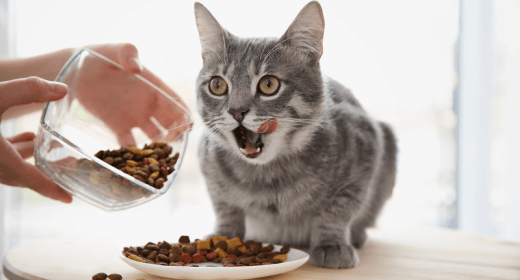
Taurine is an important component to all IAMS™ cat foods, such as IAMS ProActive Health™ Adult Original with Chicken.
Taurine is an essential amino acid that is critical for normal heart muscle function, vision, and reproduction in kittens. It is also needed to form the bile salts that aid in digestion. Unlike other amino acids, taurine is found as a free amino acid in body tissues such as the heart and eyes and is not incorporated into proteins.
Most mammals manufacture taurine from other amino acids. However, cats cannot manufacture enough and, therefore, must acquire enough additional taurine through diet to meet their needs. In pet food, taurine is naturally found in animal-based protein ingredients and can also be added separately.
Taurine helps in maintaining normal vision, heart muscle function, digestion, normal pregnancy and fetal development, and a healthy immune system. Taurine for cats can only be found in animal-derived proteins.
Taurine can be made by dogs from two other amino acids: cysteine and methionine. As a result, it isn't regarded necessary in their diet. But since taurine is an important ingredient, you can add it to your pet’s diet due to its numerous health benefits.
Taurine criteria for commercial dog food have yet to be established. If you are worried that your dog may have inadequate taurine or if you need guidance on how much taurine to include in your dog's diet, it is best to consult your veterinarian.
It is vital to include taurine in your cat’s food because cats cannot synthesize it. If your cat's food has too little taurine, it will become taurine deficient, which can lead to a range of major health concerns. For example, taurine could cause your cat’s retinas to degenerate and make your pet go blind. Further, this lack of taurine can stifle growth and make it difficult for you cat to reproduce.
Therefore, the minimum taurine requirement for adult cats in commercial pet food is 25mg/100 kcal for dry food and 50mg/100 kcal for canned foods, according to the Association of American Feed Control Officials Publication, 2018. However, because taurine requirements vary from one cat to the next, it's always a good idea to check with your vet if you're concerned that your pet isn't getting enough.
IAMS dry cat foods also include taurine as an ingredient to supplement the primary source of this amino acid, which is animal-based protein from sources such as chicken, egg, lamb, and fish. However, these sources can vary in their taurine content, and adding more taurine is a sound approach to ensure optimal taurine levels.Ü
Taurine is an amino acid found in muscles, the heart, the brain, and the retina, among other tissues and organs. Unlike most amino acids, taurine does not form cell proteins but has a variety of other functions. Here are some taurine benefits for cats:
Taurine deficiency can cause serious health problems for your cat over time because it is required for many regular metabolic functions. Some of the issues include:
IAMS cat foods are formulated with high-quality, animal-based proteins as their primary ingredient. In addition, they are supplemented with extra taurine to ensure balanced levels of essential amino acids.
IAMS Proactive Health Healthy Adult with Chicken and Salmon are one of the best foods to feed your cat. This nutrient-dense cat food is available in chicken and salmon flavors. These food ingredients act as the first ingredient to promote a healthy body for play. It also contains natural fiber and prebiotics, which help your cat's digestion. What’s more is that it helps your cat develop strong muscles with rich amounts of protein and provides a complete and balanced diet with no fillers.
Taurine has no significant side effects and is well-tolerated by cats when added correctly. The only side effect reported is minor vomiting which is lessened by providing a supplement with food.
In the late 1980s, taurine was discovered to be an essential component of a cat's diet. Since then, all cat foods have been enriched with plenty of taurine to suit their individual demands.
A high number of cats given unfortified commercial foods suffer from taurine insufficiency. Because cats can't absorb all of the taurine in processed foods and/or can't synthesis the difference between absorption and demand, taurine is considered an essential amino acid for cats.
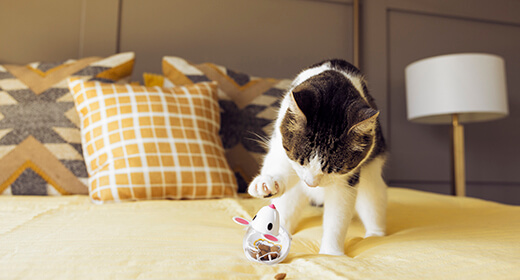
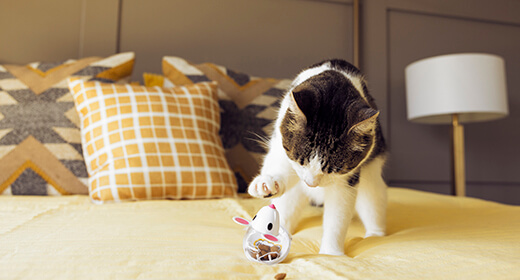
Caring for a feline friend goes beyond cuddles; it also entails paying close attention to its dietary needs. One crucial aspect of cat nutrition is the role of high-protein diets. It offers numerous benefits, including promoting overall health, energy, and a strong immune system. A protein-rich diet has many benefits for cats, like:
Prevents obesity
Cats being carnivores thrive on diets predominantly rich in animal-based protein. The magical twist here is that such a diet significantly reduces the risk of obesity in your feline companion.
Wards off diabetes
Obesity in cats often opens doors to diabetes. However, a high protein diet acts as a preventive measure, keeping those blood sugar levels in check and reducing the risk of diabetes.
Aids weight loss
If your cat needs help shedding a few pounds – high-protein cat food is your ally. Not only does it keep its weight in check, but also supports weight loss by helping your cat feel satisfied and full.
Builds immunity
Protein-rich cat food goes beyond weight management. It furnishes the essential amino acids necessary for tissue repair, growth, and a robust immune system. Without ample protein, your feline friend might face muscle loss and a compromised ability to fend off illnesses.
This is a premium cat food designed to cater to the unique needs of indoor cats. This high-protein formula boasts quality ingredients like chicken by-product meal, L-carnitine, beet pulp, and natural fibre, making it an excellent choice for cat parents seeking to provide weight control and hairball care.
Quality protein:
With chicken by-product meal as its main protein source, this premium cat food ensures muscle maintenance and overall health in indoor cats.
Weight control:
The addition of L-carnitine supports the metabolising of fats, crucial for maintaining a healthy weight and preventing obesity.
Hairball care:
Natural fibre and beet pulp promote healthy digestion, reducing hairball issues, a common concern for indoor cats.
Grain sensitivity: This super premium cat food contains corn, wheat, and maize gluten, which may not be suitable for cats with grain sensitivities or allergies.
Individual dietary needs: As every cat is unique, consult with your vet to ensure this product aligns with your cat's specific health concerns or dietary preferences.
IAMS Proactive Health cat food for Mother and Kitten is a premium kitten food designed to nurture your young feline's growth and development. Packed with high-quality ingredients, including chicken by-product meal, Omega-3, and chicken, IAMS kitten food formula offers essential nutrients for your kitten's well-being. Notably, it contains Colostrum and DHA, supporting eye and brain development during those crucial early stages of life.
Quality protein:
With chicken by-product meal as a primary protein source, IAMS cat food provides essential amino acids for muscle development and overall health.
Omega-3:
The inclusion of Omega-3 fatty acids in fish oil in IAMS kitten food ensures healthy skin and a shiny coat, enhancing your kitten's appearance.
Colostrum and DHA:
Colostrum supports a strong immune system, and DHA aids in cognitive development, making IAMS kitten food ideal for nurturing young kittens.
Grain content:
IAMS cat food contains ingredients like corn and wheat, which may not be suitable for kittens with grain sensitivities or allergies. Consider your kitten's dietary needs.
Transition:
When switching to this food, it is essential to gradually introduce it to your kitten's diet to prevent digestive issues.
Consultation:
For personalised recommendations and to ensure this high-protein kitten food aligns with your kitten's specific health requirements, consult with your veterinarian.
When it comes to your cat's nutrition, protein is the name of the game for keeping your furry friend in the best shape. But navigating pet food labels can sometimes feel like cracking a secret code. What is the trick to figuring out how much protein your cat needs?
Well, it all boils down to moisture. Pet food labels come in two flavours: 'dry matter basis' and 'as-fed basis.' Most labels use the 'as-fed' basis, including water content, which can be a tad confusing.
Locate the Moisture and Crude Protein values in the Guaranteed Analysis section. Subtract the Moisture percentage from 100 to find the per cent dry matter. Divide Crude Protein by the per cent dry matter, then multiply by 100.
When wondering how to choose cat food with high protein content, you will want to consider a few key factors:
Crude protein percentage: High-protein cat food typically contains 25-30% or more protein on a dry matter basis, excluding moisture content, for accurate comparisons.
Animal-based protein sources: Look for cat foods that primarily source protein from animals like chicken, turkey, beef, or fish, ensuring they get essential amino acids.
Limited fillers: Avoid cat foods with excessive grains and starches, as they can dilute the overall protein concentration in the food.
Avoid plant-based proteins: Check the ingredient list for plant-based proteins like soy or pea protein concentrate, which should not be the primary protein source in high-protein cat food.
Premium cat food: Choose well-known, reputable cat food brands with a history of producing high-quality, high-protein premium cat food options.
NOTE: Consult your vet to determine the ideal protein content based on your cat's age, activity level, and health, as individual needs may vary.
Muscle health: High-protein cat food supports the development and maintenance of strong, lean muscles in your furry companion.
Energy: Protein provides the energy needed for your cat's playful and active lifestyle.
Healthy coat and skin: Protein-packed diets contribute to a glossy, healthy coat and skin.
Weight management: High-protein cat food helps your cat maintain a healthy weight by keeping it feeling full on fewer calories.
Cost: Quality ingredients come at a price, but investing in your cat's health is worth it.
Kidney health: Some discussions suggest high-protein diets might strain the kidneys, but it is a topic of debate and does not apply to all cats.
Allergies and sensitivities: Keep an eye on your cat's reactions to different protein sources as they can develop allergies or sensitivities.
When transitioning your cat to a high-protein diet or introducing new foods, do it gradually to prevent digestive issues. For guidance on the right protein level for your cat's specific needs, especially if they have underlying health concerns, consult with your veterinarian. IAMS cat food provides your feline friend with the perfect balance of protein and nutrients, ensuring they lead a happy, healthy life.