Enter a keyword below to search for articles and products.
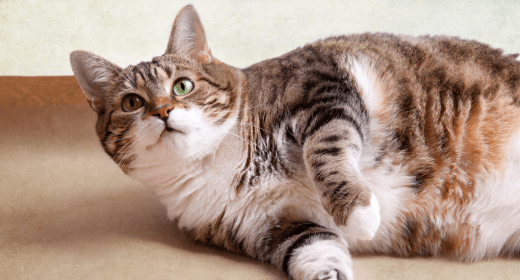
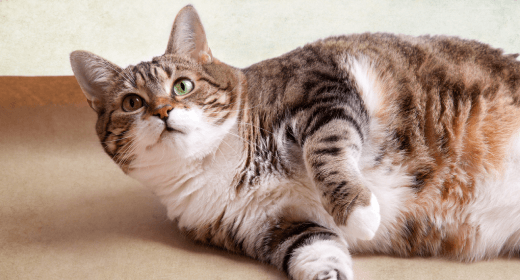
Let’s start by asking – would you realize if your cat needed to cut down?
You know your cat is purr-fect. It’s fluffy and has a paunchy belly. But so what? It could also imply that it is perfectly healthy. Naturally, you may not understand if your fluffball is on the portly side. In fact, overweight cats now appear to outnumber those who have a healthy weight.
Overfeeding your cat is a big no-no. Even a few additional pounds can increase your cat’s risk of developing certain health conditions, such as type 2 diabetes. It may even prevent your cat from grooming itself properly. This is why keeping your cat in shape is crucial to maintain its health, and help it live longer and happier. Well, the good news is that by making some simple dietary and exercise changes, you can assist your overweight cat in losing weight.
Obesity is becoming more prevalent in cats, just as it is in humans. It can have long-term consequences on a cat's health, quality of life, and body functioning. Therefore, obesity in cats must be addressed immediately, as it is linked to serious health problems. Here are the risks of cat obesity:
When your cat is obese, its immune system is weakened, leaving it more susceptible to infection. This includes urinary infection as well as 'stones,' which are caused in overweight cats because they’re less active, drink less water, and urinate lesser than healthy cats.
Around 80% to 90% of obese cats require daily insulin shots as they are more likely to develop diabetes. But, when their excess weight is eliminated, diabetes can often be reversed.
When your cat’s body senses that it is undernourished, for instance, if a regular food supply is interrupted, the fat is moved from reserves into the liver to be used as energy. But a cat’s body is unable to efficiently control this process, resulting in poor liver function and liver failure.
Cats with excess weight have a harder time grooming themselves, which can contribute to skin problems.
Here is a chart for you to understand better –
After you get your overweight cat in shape, your goal must be to maintain it for its good health and longevity. Here are some things you should avoid doing to keep your cat from becoming overweight:
You should avoid free -feeding your cat to prevent it from becoming obese. Set up definite feeding times and keep treats to a minimum.
Your cat is at even more risk of becoming overweight if it does not engage in any outdoor activity. To avoid boredom and prevent weight gain, find some interesting toys, set aside playtime, and make it a priority for your indoor cat. Another approach is to go for a walk outside with your cat on a leash.
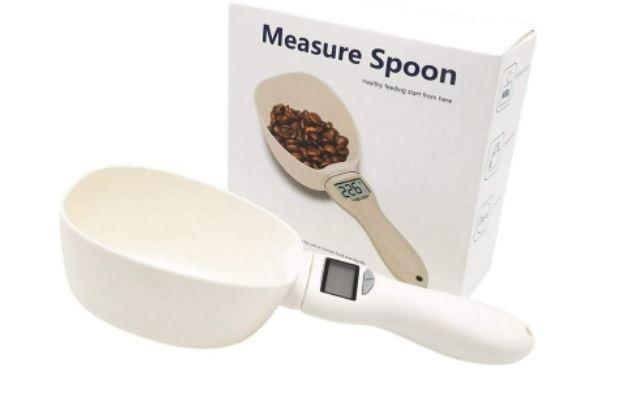
Assess how much food your cat truly needs with the advice of your vet, based on your cat's activity level and desired weight. Once you've calculated how much food your cat requires, measure the food for each meal. Remember that cats are little, and while the portion may appear small to you, some extra kibbles can make the difference between maintaining weight and gaining weight.
Loosing weight is difficult for cats. Therefore, the best way is to control their weight before they get obese.
Another way to help your cat lose weight is to increase her activity. Provide cat 'trees' for climbing or teach your cat to play fetch. Buy or create your own toys that encourage exercise. Many cats enjoy chasing lights from pointers or flashlights. One ingenious owner throws her cat's dry food ration a piece at a time! Many cats enjoy learning to walk on a leash. You also can use your cat's natural hunting instinct to help her lose weight. Hide several small portions of her daily food ration around the house. If you have a multi-level home, make your cat use the stairs. Use your imagination but be cautious. Don't let a fat cat get exhausted, overheated, or out of breath. Also, keep in mind that an old cat may not be able to exercise vigorously.
Use playtime, grooming, stroking, or conversation as rewards instead of food treats. If you cannot resist the fat cat who begs for food at the dinner table, remove the cat during dinnertime. If you have a multi-cat household, the consistent winner of the food competition sweepstakes is often obese. If this is the case, separate the cats at mealtimes if possible.
Obesity is easier to prevent than to cure, but it is never too late to reverse it—though it requires long-term patience and commitment. Helping cats lose weight is a slow process. If the amount they eat is severely restricted, the cat risks other health problems.
Increased activity, behavior modification (for both you and your cat), and calorie restriction are your weapons against feline obesity. However, with all these things, it is important to expect a few setbacks and plateaus. It will take at least four months for an obese cat to lose 15% of her starting weight. At that point, have another look at your cat's body condition and go on from there.
Always check with your veterinarian first.
Eliminate all food treats.
Divide the daily food portion into several smaller meals.
Feed a diet formulated specifically for weight loss.
Weigh your cat every two weeks.
Cats should not lose more than 1% to 1.5% of initial weight per week.
Be patient and consistent!
The symptoms are:
You can treat an obese cat by helping it consume fewer calories. But before that, please consult your vet and understand the amount of weight your cat needs to shed. Also, pair some exercises along with the weight loss diet.
Obesity in cats is often linked to physical inactivity, overfeeding, long sleeping times, and indoor confinement.
You should provide canned food to your cat to help it lose weight. Cats prefer wet food to dry food, which is one of the reasons canned diet foods perform better.
If your cat is overweight, it is more likely to develop heart disease, cancer, diabetes, and high blood pressure. Excess fat has a negative effect on a cat's health and lifespan. Extra weight also puts strain on your cat's joints, which can lead to arthritis.
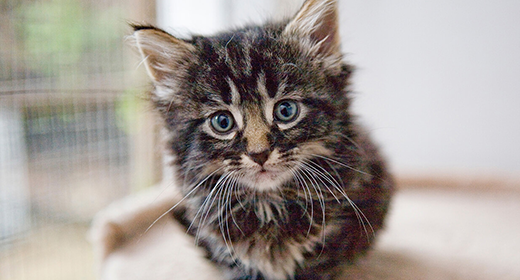
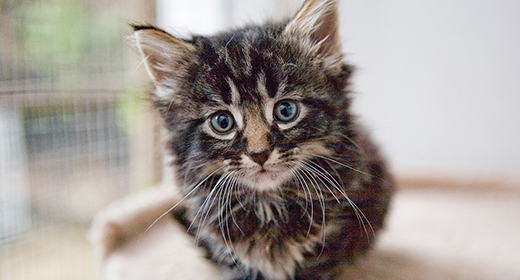
So you have a new kitten — congratulations! You’re about to embark on a pet ownership journey that could span several decades. But if you’ve never owned a cat or kitten before, you may have questions about how to keep your kitten healthy and thriving. Use our guide to get started, and welcome to pet parenthood.
When you choose a veterinarian, you’re choosing a partner in your kitten’s health care. Scheduled vaccinations and yearly examinations mean that you’ll see your veterinarian on a regular basis, so choose wisely. When researching veterinary clinics for your cat, make sure to do the following:
Owners should have their cats spayed or neutered unless they plan to show or breed them. Veterinarians advise spaying or neutering by at least 6 months of age. Consider the following:
Each year, millions of cats are euthanized because the new cat population far exceeds the number of homes that can be found for them. Here’s why you should consider spaying or neutering your kitten:
While we hope your kitten experiences few, if any, health issues over the course of her life, it’s smart to familiarize yourself with common cat ailments. Use our guide to some of the most common medical issues that can affect kitten health. The more you know, the better you’ll be able to notice when your kitten isn’t feeling well.
Most common in warm spring and summer months, these pinhead-size insects can be active all year long. Fleas can jump onto your cat, lay their eggs, breed, and spread to your furniture and to you, looking for blood. In addition to causing discomfort and scratching in many cats, fleas can transmit parasitic or infectious diseases, including tapeworms. A severe flea infestation may, in turn, cause anemia (low red blood cell count) and/or allergic dermatitis, a skin allergy characterized by itching and irritation. Though some cats become irritable and scratch, others have no visible signs of discomfort.
Luckily, flea prevention treatments are numerous and easy to give:
Hairballs are tube-shaped, brown masses of hair fibers. When cats clean themselves, they swallow fur. Because hair isn’t digestible, it either passes through and ends up in the litter box or it is vomited.
Cats that pass hairballs more than once a week or that pass foul-smelling hairballs may have a serious underlying health problem. See your veterinarian if your cat experiences frequent hairballs.
Here’s how to help prevent hairballs in your kitten or cat:
Feline lower urinary tract disease is a potentially fatal, painful inflammation of the lower urinary tract that can be caused by viruses, bacteria, diet, decreased water consumption or urine retention.
Symptoms include blood in the urine, difficult and frequent urination (often in small quantities), inappropriate urination, lack of energy and loss of appetite.
You can help your cat maintain proper urinary acidity and magnesium levels through a properly balanced diet that helps promote urinary tract health.