Enter a keyword below to search for articles and products.
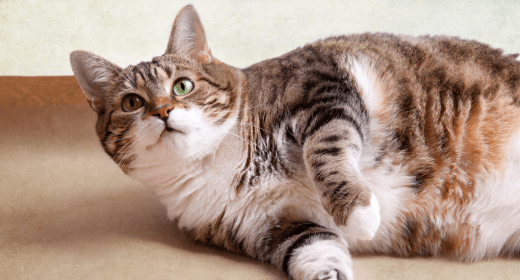
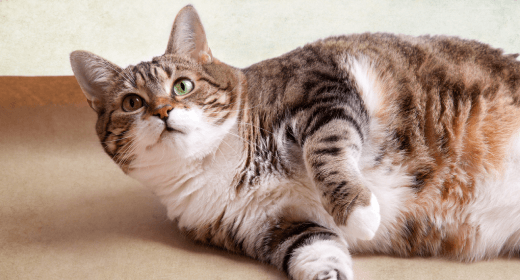
Let’s start by asking – would you realize if your cat needed to cut down?
You know your cat is purr-fect. It’s fluffy and has a paunchy belly. But so what? It could also imply that it is perfectly healthy. Naturally, you may not understand if your fluffball is on the portly side. In fact, overweight cats now appear to outnumber those who have a healthy weight.
Overfeeding your cat is a big no-no. Even a few additional pounds can increase your cat’s risk of developing certain health conditions, such as type 2 diabetes. It may even prevent your cat from grooming itself properly. This is why keeping your cat in shape is crucial to maintain its health, and help it live longer and happier. Well, the good news is that by making some simple dietary and exercise changes, you can assist your overweight cat in losing weight.
Obesity is becoming more prevalent in cats, just as it is in humans. It can have long-term consequences on a cat's health, quality of life, and body functioning. Therefore, obesity in cats must be addressed immediately, as it is linked to serious health problems. Here are the risks of cat obesity:
When your cat is obese, its immune system is weakened, leaving it more susceptible to infection. This includes urinary infection as well as 'stones,' which are caused in overweight cats because they’re less active, drink less water, and urinate lesser than healthy cats.
Around 80% to 90% of obese cats require daily insulin shots as they are more likely to develop diabetes. But, when their excess weight is eliminated, diabetes can often be reversed.
When your cat’s body senses that it is undernourished, for instance, if a regular food supply is interrupted, the fat is moved from reserves into the liver to be used as energy. But a cat’s body is unable to efficiently control this process, resulting in poor liver function and liver failure.
Cats with excess weight have a harder time grooming themselves, which can contribute to skin problems.
Here is a chart for you to understand better –
After you get your overweight cat in shape, your goal must be to maintain it for its good health and longevity. Here are some things you should avoid doing to keep your cat from becoming overweight:
You should avoid free -feeding your cat to prevent it from becoming obese. Set up definite feeding times and keep treats to a minimum.
Your cat is at even more risk of becoming overweight if it does not engage in any outdoor activity. To avoid boredom and prevent weight gain, find some interesting toys, set aside playtime, and make it a priority for your indoor cat. Another approach is to go for a walk outside with your cat on a leash.
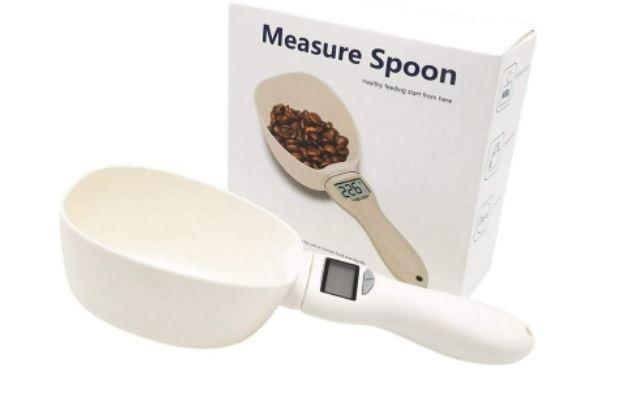
Assess how much food your cat truly needs with the advice of your vet, based on your cat's activity level and desired weight. Once you've calculated how much food your cat requires, measure the food for each meal. Remember that cats are little, and while the portion may appear small to you, some extra kibbles can make the difference between maintaining weight and gaining weight.
Loosing weight is difficult for cats. Therefore, the best way is to control their weight before they get obese.
Another way to help your cat lose weight is to increase her activity. Provide cat 'trees' for climbing or teach your cat to play fetch. Buy or create your own toys that encourage exercise. Many cats enjoy chasing lights from pointers or flashlights. One ingenious owner throws her cat's dry food ration a piece at a time! Many cats enjoy learning to walk on a leash. You also can use your cat's natural hunting instinct to help her lose weight. Hide several small portions of her daily food ration around the house. If you have a multi-level home, make your cat use the stairs. Use your imagination but be cautious. Don't let a fat cat get exhausted, overheated, or out of breath. Also, keep in mind that an old cat may not be able to exercise vigorously.
Use playtime, grooming, stroking, or conversation as rewards instead of food treats. If you cannot resist the fat cat who begs for food at the dinner table, remove the cat during dinnertime. If you have a multi-cat household, the consistent winner of the food competition sweepstakes is often obese. If this is the case, separate the cats at mealtimes if possible.
Obesity is easier to prevent than to cure, but it is never too late to reverse it—though it requires long-term patience and commitment. Helping cats lose weight is a slow process. If the amount they eat is severely restricted, the cat risks other health problems.
Increased activity, behavior modification (for both you and your cat), and calorie restriction are your weapons against feline obesity. However, with all these things, it is important to expect a few setbacks and plateaus. It will take at least four months for an obese cat to lose 15% of her starting weight. At that point, have another look at your cat's body condition and go on from there.
Always check with your veterinarian first.
Eliminate all food treats.
Divide the daily food portion into several smaller meals.
Feed a diet formulated specifically for weight loss.
Weigh your cat every two weeks.
Cats should not lose more than 1% to 1.5% of initial weight per week.
Be patient and consistent!
The symptoms are:
You can treat an obese cat by helping it consume fewer calories. But before that, please consult your vet and understand the amount of weight your cat needs to shed. Also, pair some exercises along with the weight loss diet.
Obesity in cats is often linked to physical inactivity, overfeeding, long sleeping times, and indoor confinement.
You should provide canned food to your cat to help it lose weight. Cats prefer wet food to dry food, which is one of the reasons canned diet foods perform better.
If your cat is overweight, it is more likely to develop heart disease, cancer, diabetes, and high blood pressure. Excess fat has a negative effect on a cat's health and lifespan. Extra weight also puts strain on your cat's joints, which can lead to arthritis.
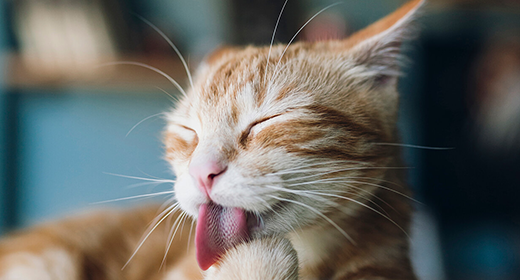
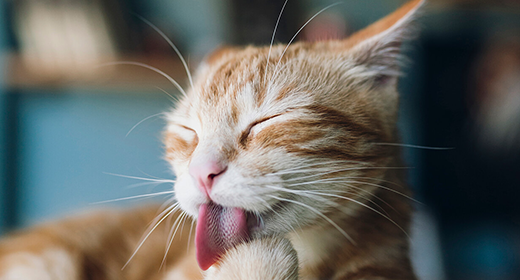

Every cat owner recognizes the warning signs of an upset feline stomach: the mournful meow, gagging and the heaving retch. But just as suddenly as it began, your cat returns to good health while you’re left scrubbing the carpet.
The scenario is a familiar one for Cynthia Bowen of Cleveland, Ohio. As the owner of four Maine Coons, Bowen has cleaned her share of messes. “It would happen every couple of months or so,' she says. 'Otherwise, they were perfectly healthy.'
Although it's not a pleasant subject, vomiting is something cats seem to do on cue. Many cat owners accept this as a natural part of owning a pet, but it doesn’t have to be that way. Knowing what triggers an upset stomach and what you can do about it will make for a better relationship with your cat.
Many owners attribute their cat’s vomiting to hairballs, but that’s not the only culprit. “It’s careless to assume that most cases of vomiting in cats are due to hairballs,” says Dr. William Folger, a DVM from Houston. Two other frequent causes of an upset stomach are eating too fast and curiosity.
Cats sometimes eat too much too fast. When the stomach wall expands too quickly, a signal is sent to the brain to cause regurgitation. In these cases, the mess on your floor is from regurgitation, not actual vomiting. When a cat regurgitates, she brings up fluid and food from her esophagus by opening her mouth — unlike vomiting, which involves gagging and retching.
Regurgitated food is still formed and may smell fermented. “Cats that eat too quickly because they are gluttonous or stressed by food-bowl competition can regurgitate right after eating,” says Dr. Sara Stephens, a DVM from Montana. But don’t assume regurgitation is always a case of eating too quickly. It could be caused by esophageal problems, obstruction of the digestive tract, hairballs or dehydration. If you’ve forced your cat to eat slowly and she still has problems, contact a veterinarian.

Grass, carpet and toilet paper are just a few things cats may digest and later vomit. The vomiting is a protective mechanism — nature’s way of cleansing your cat’s system. Sometimes, though, curiosity can lead to more serious problems. String, toy parts and feathers are favorites of playful felines and can lodge in the stomach or intestine, causing repeated vomiting and severe distress. If your cat exhibits these symptoms, take her to a veterinarian immediately. Surgery is often necessary to remove the object.
Repeated cat vomiting should never be ignored because it can lead to dehydration. But because vomiting is common in cats, how do you know what’s normal? “A general guideline is that if the cat is vomiting one to three times a month, we consider this normal,” says Dr. Folger.
He considers it serious if the vomiting occurs twice daily for two or three days. If your cat stops eating, seems to have stomach pain or retches continuously, or if the vomit is mixed with blood, take her to a veterinarian. And as always, if you’re suspicious that a lingering problem could be harmful to your pet, call your veterinarian. A visit to the office can help relieve your cat’s discomfort and your worries as well.
Often, owners accept their pet’s vomiting as a natural part of their behavior, but just because cats seem to have more than their fair share of stomach issues doesn’t mean you don’t have options.
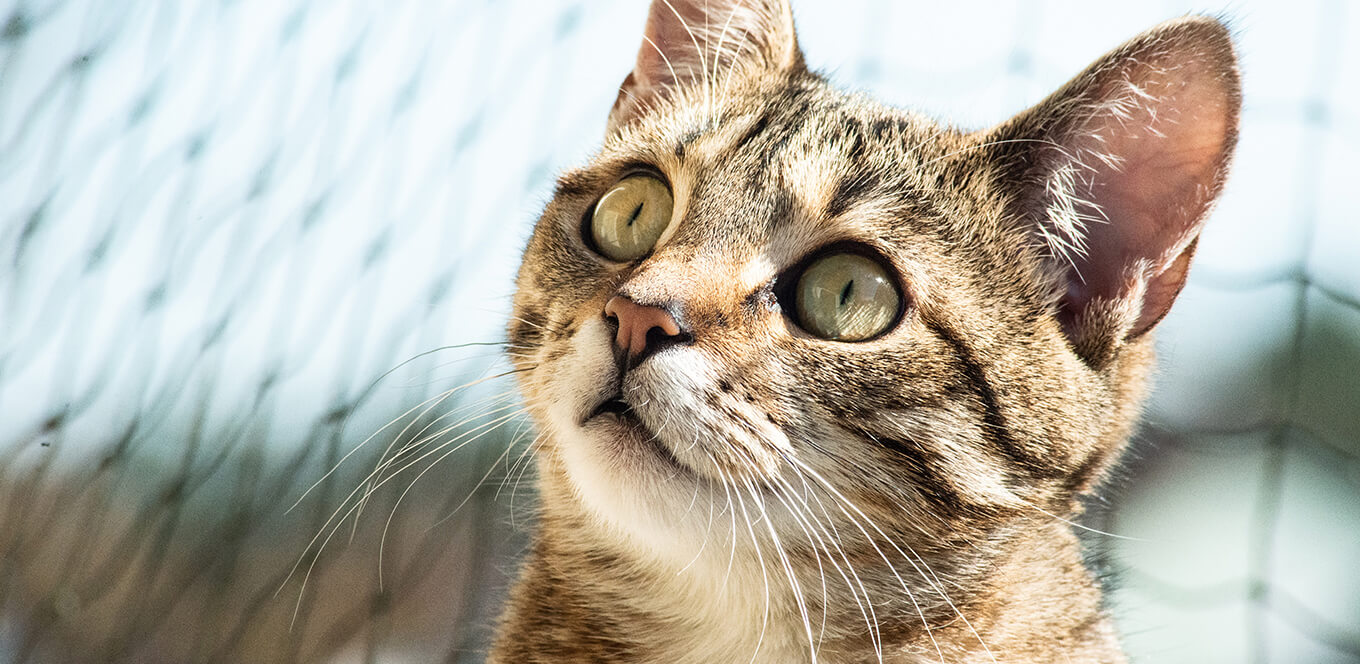
One simple preventative measure is to get your fast-eating cat to slow down or to simply eat less. Dr. Stephens recommends feeding smaller portions, elevating your cat’s food dish slightly or putting an object, such as a ball, into the dish. The cat will be forced to eat around the ball, thus slowing her intake. If you do this, make sure the ball isn’t small enough to swallow. And you may need to feed cats in a multiple-cat household at different times and places to reduce competitive eating.
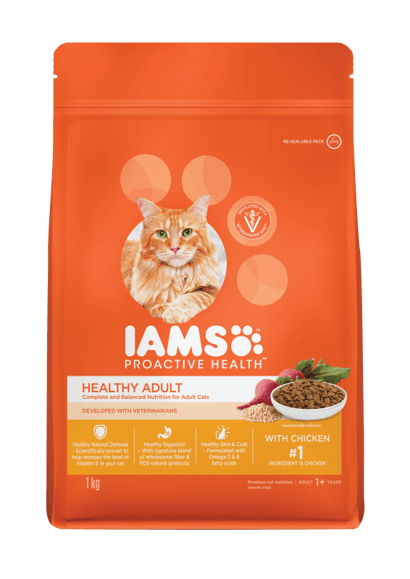
If simple solutions don’t work, watch your cat’s eating behavior and reactions. Bowen, for example, tried changing her cats’ diets. “Since switching to IAMS™, they rarely throw up,” Bowen says.
“Usually, when you change to a higher-quality diet, there is no problem,” Stephens says. Here are some tips for helping make sure your cat’s food transition is as successful and comfortable as possible:
If your cat vomits more than three times a month or has chronic stomach issues, you can take several steps to help resolve her discomfort. With your veterinarian’s help and a little effort on your part, your cat’s stomach issues can be a thing of the past.