Enter a keyword below to search for articles and products.
Sodium is an essential mineral for life. Found in the blood and in the fluid that surrounds cells, sodium maintains the cellular environment and prevents cells from swelling or dehydrating. Sodium is also important for maintaining proper nerve and muscle cell function.
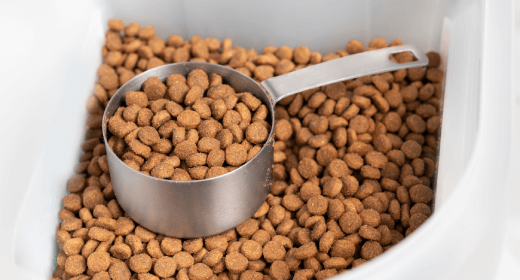
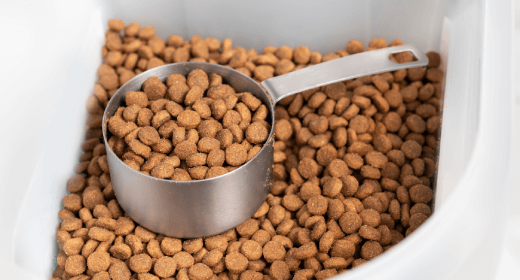
Meat, poultry, fish, and eggs are good sources of sodium. It also may be included in commercial cat foods in the form of table salt (sometimes listed on the ingredient panel as salt). Salt is an important palatant for animals, as well as for people.
The Association of American Feed Control Officials recommends that dry cat foods contain at least 0.2% sodium for maintenance and to support normal growth and development. These are the minimum recommended levels.
While high sodium intake may cause increased thirst and water consumption, the extra sodium is excreted in cat urine.
Therefore, the sodium level in commercial pet foods is not a cause for concern in healthy animals.
A veterinarian may recommend decreasing a cat's sodium intake if the animal has some types of kidney, liver, or heart disease, in order to help decrease high blood pressure or the accumulation of excessive body fluid. Although older cats may be more likely to develop these diseases, healthy older cats do not require a low- or reduced-sodium diet.
The sodium level in our cat foods is appropriate for healthy cats. The sodium content in these foods is balanced in proper proportions with energy, other minerals, vitamins, fats, proteins, and carbohydrates.
Potty training your cat at an early age can help inculcate essential hygiene habits. Starting kitten litter training as soon as your newborn pet hits the four-week mark ensures that it is well aware of its surroundings. Moreover, it ascertains that your kitty does not dirty the home. For all new cat parents wondering how to potty train a kitten, here are a few tips to get you started. Read on to learn more about the right age to start training your kitten, how to pick the right size of a litter box and more.
Adult cats naturally seek out sandy places to defecate but kittens need some guidance. Fortunately, you do not have to worry much about how to teach your kitten to use a litter box because it comes naturally to kittens. If you are a first-time cat parent, here’s a fact that will put you at ease: unlike puppies, potty-training kittens can be fairly easy. Moreover, it is one of the first exercises you will do as a caregiver.
Things learnt at an early age, generally, stick with you for time immemorial. And that holds true in cats as well. Hence, you can start potty training kittens once they turn 4 weeks old. If you are adopting a kitten that’s older than 4 weeks or an adult cat, start potty training it immediately.
Potty training is an important part of adopting a cat, especially if you do not want to clean the house zillion times a day. However, it is not like you buy a litter box and your kitty will get the hint. You need to teach your pet to do its business in the box. And as a first-time cat parent, you might be clueless about how to potty train a kitten. Fret not, we have got you covered. Here are a few tips to help you get started with kitten litter training:
The first step to kitten litter training is choosing a litter box. Since you are picking out a litter box for your kitten, it can be small and compact in size. Make sure there is enough room for your kitty to go in that box. It should be easy to enter and not too compact for your kitten’s size.
Moreover, your cat might feel uncomfortable defecating in certain types of boxes. Some cats might like keeping their business private, while some could prefer being aware of their surroundings. Hence, finding the right litter for your kitten may involve some testing.
Choosing the right spot for the litter box is imperative. Place it somewhere that is not too loud, but also ensure that the box is within human interaction. For example, if you place the litter box in your basement, your kitten may not feel comfortable and eliminate somewhere in the house. You can also place the litter box in the bathroom. If you have multiple floors in your house, place at least one easily accessible litter box on every floor. Moreover, make sure you do not place the litter box next to your cat’s food and water bowls.
Once you have placed all your litter boxes at desired locations, it is time to start potty training your kitten. Assuming that you have placed multiple litters in your house, take your kitty to each box and let it sniff them. Next, place your kitten in the litter box. It may start pawing the litter or even use it right away. If it doesn’t, run your fingers through the litter to demonstrate pawing actions.
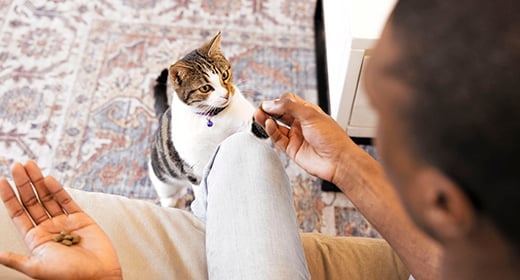
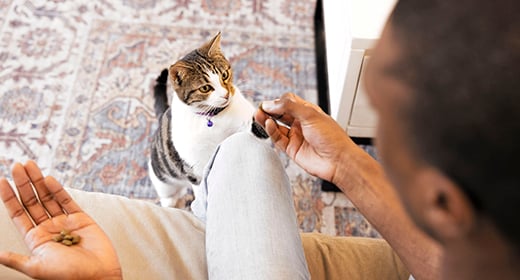
Here’s a tip on how to train a kitten to use a litter box: reward it. Shower your purrfect pal with its favourite treat whenever it uses the litter box successfully. For this to work, you need to give your cat a treat right after it uses the litter box so that it starts associating the usage of the litter box with good behaviour.
Keeping the litter box clean is crucial to ensure that your kitten does not develop an aversion to the box. You can scoop out your cat’s waste after each use. Keep adding some litter every time you are scooping out waste to make sure that the litter depth is maintained and your kitten can easily dig. Once your cat is a little older and used to the box, you can start cleaning it once a day.