Enter a keyword below to search for articles and products.
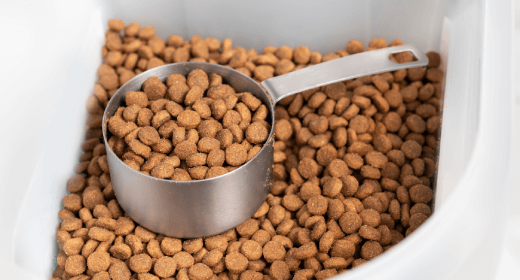
Sodium is an essential mineral for life. Found in the blood and in the fluid that surrounds cells, sodium maintains the cellular environment and prevents cells from swelling or dehydrating. Sodium is also important for maintaining proper nerve and muscle cell function.
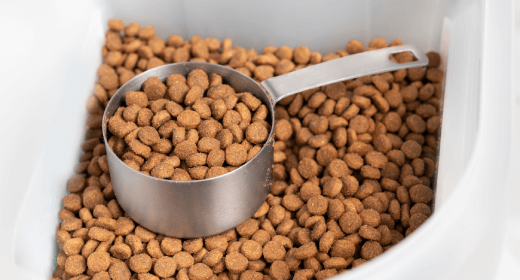
Meat, poultry, fish, and eggs are good sources of sodium. It also may be included in commercial cat foods in the form of table salt (sometimes listed on the ingredient panel as salt). Salt is an important palatant for animals, as well as for people.
The Association of American Feed Control Officials recommends that dry cat foods contain at least 0.2% sodium for maintenance and to support normal growth and development. These are the minimum recommended levels.
While high sodium intake may cause increased thirst and water consumption, the extra sodium is excreted in cat urine.
Therefore, the sodium level in commercial pet foods is not a cause for concern in healthy animals.
A veterinarian may recommend decreasing a cat's sodium intake if the animal has some types of kidney, liver, or heart disease, in order to help decrease high blood pressure or the accumulation of excessive body fluid. Although older cats may be more likely to develop these diseases, healthy older cats do not require a low- or reduced-sodium diet.
The sodium level in our cat foods is appropriate for healthy cats. The sodium content in these foods is balanced in proper proportions with energy, other minerals, vitamins, fats, proteins, and carbohydrates.
Linoleic acid, a naturally occurring omega-6 fatty acid found in common pet-food ingredients such as corn and chicken fat, is a required nutritional component of the canine and feline diet.
Fatty acids are the building blocks of dietary fat and are formed by specific combinations of carbon, hydrogen, and oxygen.
Certain groups of fatty acids, called omega-3 (fatty acids in which the first double bond is located at the third carbon atom) and omega-6 (fatty acids in which the first double bond is at the sixth carbon atom), are particularly important to various functions in the cat's body.
The first double bond is located at the sixth carbon atom and, therefore, is an omega-6 fatty acid.
Omega-6 fatty acids are essential for maintenance of skin and coat condition, normal growth, proper membrane structure, and absorption of fat-soluble vitamins.
Linoleic acid is the most important omega-6 fatty acid because it cannot be synthesized by cats, and it is used to make other omega-6 fatty acids.
Cats also require arachidonic acid, because they cannot synthesize it from linoleic acid.
Most pet foods contain more than the required amount of linoleic acid. However, IAMS research shows that it is not just the amount, but the ratio of omega-6 to omega-3 fatty acids, that is most beneficial to cats.
The optimal omega-6:omega-3 fatty acid ratio to maintain a healthy skin and coat in dogs and cats is between 5:1 and 10:1, so five to 10 omega-6 fatty acids should be present for every one omega-3 fatty acid.