Enter a keyword below to search for articles and products.


Sodium is an essential mineral for life. Found in the blood and in the fluid that surrounds cells, sodium maintains the cellular environment and prevents cells from swelling or dehydrating. Sodium is also important for maintaining proper nerve and muscle cell function.
Meat, poultry, fish, and eggs are good sources of sodium. It also may be included in commercial cat foods in the form of table salt (sometimes listed on the ingredient panel as salt). Salt is an important palatant for animals, as well as for people.
The Association of American Feed Control Officials recommends that dry cat foods contain at least 0.2% sodium for maintenance and to support normal growth and development. These are the minimum recommended levels.
While high sodium intake may cause increased thirst and water consumption, the extra sodium is excreted in cat urine.
Therefore, the sodium level in commercial pet foods is not a cause for concern in healthy animals.
A veterinarian may recommend decreasing a cat's sodium intake if the animal has some types of kidney, liver, or heart disease, in order to help decrease high blood pressure or the accumulation of excessive body fluid. Although older cats may be more likely to develop these diseases, healthy older cats do not require a low- or reduced-sodium diet.
The sodium level in our cat foods is appropriate for healthy cats. The sodium content in these foods is balanced in proper proportions with energy, other minerals, vitamins, fats, proteins, and carbohydrates.
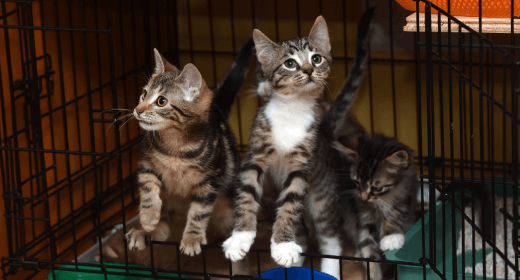
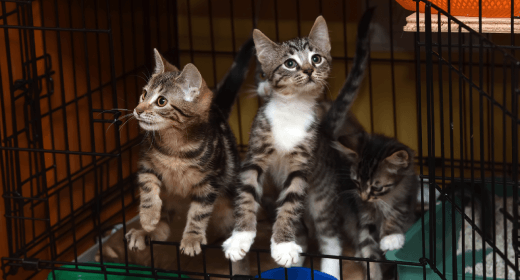
Adopting a cat can see you develop one of the most beautiful bonds of your life as you connect with your feline friend. Cats are playful creatures who can be very affectionate and form a strong relationship with you. Every time you play with your cat or simply spend time with them, you may notice a significant drop in stress levels and experience a boost of happiness. However, it is important to remember that cat adoption is a big decision which comes with a lot of responsibilities. Your home will become the cat’s home and you become their family. To ensure they get the best possible future with you, there are a few things that you need to understand before proceeding with cat adoption.
Whether you are opting to adopt a kitten or a grown cat, here are some things you need to consider before going through with the entire process.
Adoption is a permanent duty and a bond that lasts for a lifetime. When you bring home a rescued cat or adopt one from a shelter, you are providing the animal with new hope. The cat will be a member of your family and you will need to treat them as such. The lifespan of cats generally ranges from 12 to 20 years, and this is how long your commitment will be. Only once you have considered the enormity of your decision and are ready for it, should you go through with cat or kitten adoption.
Before you bring home an adopted or a rescued cat, you will need to make a few changes in your house to create favourable conditions for them. You can begin by doing the following:
Cover up exposed electrical wires in a way that the cat can’t reach them (since they might try to chew up the wire, which can lead to a severe accident).
Prepare your kids and teach them the basics of being responsible around a cat.
Keep a special room or space for the cat, so they can feel safe and get a sense of belonging.
Find a vet near your area where you can take the rescued cat for regular check-ups.
Adopting a cat also has many benefits such as:
If you adopt a cat instead of buying one, you will be helping a cat in need. You will be giving a rescued cat much-needed shelter, their own space, and a family that loves them.
One of the biggest benefits of adopting a cat from a shelter is that they often have an already established personality. This makes it easier for people to adopt a cat that best suits their lifestyle.
When adopting a cat, here are a few factors you should keep in mind:
If you have other cats at home, you will need to adopt a cat that likes their company. You can talk to the shelter home about this, so they direct you to cats who bond well with other cats.
When you adopt a cat, you should be able to make time for them and give them proper care and attention. You can also consider adopting a cat whose lifestyle matches yours. For instance, a cat who likes being independent can be a perfect choice for someone who is often busy.
To give your cat the best life, ensure that you have all of the following essentials: