Enter a keyword below to search for articles and products.


Most of us check ingredients and nutritional information on packaging when buying food for our pets. However, reading the nutritional data on a cat food label can get confusing. So, how do you know whether your pet is getting the right food for a healthy body? In this blog, we look at what you can expect to find on a cat food nutrition label and help you improve your understanding of this information.
Cat food labels provide limited information regarding the nutritional value of the package contents. It is important for customers to know what can and cannot be determined from the label, and what information is particularly important. Major components of a pet food label include:
Guaranteed Analysis
Company/Customer Service Information/Satisfaction
Ingredient Panel
Manufacturing Code, Expiration, or 'Best Used By' Information
Feeding Instructions
AAFCO Statement of Nutritional Adequacy
Values in the guaranteed analysis are expressed as either minimum or maximum. A maximum guarantee (% max) means at most this specific amount of the nutrient is included in the formula. A minimum guarantee (% min) means at least this specific amount of the nutrient is included in the formula. The following four nutrients must be included on all pet food labels:
For example, a cat food with a 25% minimum crude protein guarantee should contain at least 25% protein but could contain much more. The only way to determine the actual amount is by laboratory analysis.
Other information may be guaranteed on cat food products, such as magnesium (% max), taurine (% min), ash (% max), and linoleic acid (% min).
Animal-feed laws, particularly those pertaining to pet food, are dealt with by AAFCO. AAFCO is a coalition of governmental organisations in North America that aids in regulating animal food. Cat food with AAFCO label has an assurance that certain standards have been followed while manufacturing the food. Therefore, the food is said to meet the nutritional levels required by your pet. MARS pet food too complies with the standards of AAFCO and is nutritionally sound for your pet.
Ingredients must be listed in order of abundance (largest quantity listed first).
Because ingredient definitions and designations are standardized, it is difficult to determine the quality of ingredients. Ingredient quality can only be determined from laboratory analysis and animal feeding tests.
Here is the information that is required on a cat food label:
Distributor Name and Address: This gives you information about the manufacturer of the food, so that you can get in touch with them if you have any issues about the product.
Net Weight: This tells you how much food is contained in the package.
Ingredient List: The ingredients are listed in decreasing order, depending on the weight of the contents.
Product Traceability: Using the information on cat food label, you can identify when the food was prepared and even the precise factory that made the package.
Statement of Nutritional Adequacy: A ‘complete and balanced’ cat food should either meet or exceed the defined standards of nutrient profile. It explains which exact cat age and lifestyle the food is meant for.
Assurance of Analysis: This indicates the product’s nutritional content. It must contain the highest amounts of crude fiber and moisture and the minimum amounts of crude protein and crude fat. Although optional, percentages for other nutrients are frequently included. However, the key elements mentioned in the assured analysis of the cat food nutrition label must meet AAFCO’s nutrient profile guidelines.
Calorie Declaration: Calories are stated on a kilocalorie per kilogram basis and other commonly used units of measurement such as kilocalories per cup. You can compare several cat food products using this information.
Direction for Feeding: You can use these recommendations to figure out how much food to give your cat each day. Additionally, you might need to change the amount of food your pet consumes to assist them in maintaining an ideal body condition.
AAFCO nutritional adequacy statements are required on all pet foods. Products may either be formulated or tested according to AAFCO procedures and recommendations.
A 'tested' statement indicates the product has been formulated, then fed to cats prior to sale to ensure it meets important criteria related to growth, maintenance, and/or reproduction.
Veterinary-exclusive products include statements such as, 'This product is intended for intermittent feeding only' and 'Use only as directed by your veterinarian.'
Manufacturing codes allow the company to track products for quality and inventory issues. In order to quickly and efficiently handle a customer inquiry, the company's customer service department will usually ask the customer for this code.
Expiration or 'Best Used By' dates are optional but are helpful in determining product freshness and shelf life.
Here are a few tips to help you read a cat food nutrition label.
Know the intent or purpose: The food must state that it is for cats on the container. Cats have highly specific nutritional requirements that necessitate a certain type of diet.
Choose the right product for your cat: The information on the back of the cat food container is extremely important. You can determine whether the food will offer a complete and balanced diet for your cat’s life stage by reading the nutritional adequacy statement. The term 'life stage' describes a cat's particular stage of growth. The information can also state that the food is suitable for cats at all life stages, for breeding cats (growth and reproduction), and, possibly, for indoor or outdoor cats.
The manufacturer's information should include the company name, address, and phone number so customers can quickly and easily obtain product information.
A toll-free telephone number should be provided as a convenience to the customer and to ensure that a charge is not incurred when calling for information.
The satisfaction guarantee should be an 'active' statement. This means that in addition to stating that the product is guaranteed, the company should indicate what action will be taken to meet customer expectations (replace product, money returned, etc.).
According to AAFCO guidelines, cat food should have a minimum of 26% protein content on a dry matter basis. This portion is typically regarded as complete and nutritionally balanced.
The difference between +1 and +7 cat food is the high fiber content in +7 cat diets. Despite having the same proportions of protein, fat, and minerals as adult cat diets (+1), senior cat foods (+7) have fewer calories than food for cats aged 1+ years.
Details about the quality of food ingredients are not required on a cat feed tag.
Yes. The production of cat and dog food as well as other dog treats or snacks are all regulated by the FDA.
If you have a cat at home, you have probably seen it vomit every now and then. Cats throwing up is something common but healthy cats should not be throwing up too often. If you notice that your cat is puking frequently, it could be because of several reasons. It is best to take your cat to the vet and schedule regular checkups to make sure that any underlying causes are treated in time.
That being said, you do not have to rush your cat to the doctor when and if it vomits. Occasional vomiting is not a cause of concern, steps for treatment should be taken only when your cat starts to vomit after every meal or every day. Keep reading to know more about why your cat’s throwing up and what you should do to look after it.
Just like us humans, cats can vomit because of various reasons. A cat can vomit if it is exposed to a toxic ingredient. For example, being exposed to a toxic plant that makes your cat vomit can be a reason for chronic vomiting. Cats have a habit of playing with strings and if they ingest any of these toxic bodies, they can stay in its system and cause chronic vomiting.
Vomiting is such a common occurrence in cats that it cannot point out a particular illness or infection. Almost all feline diseases result in vomiting and to find out the actual cause, you will have to take your cat to a vet. It can be for reasons ranging from intestinal issues, organ dysfunction, gastric issues, diet, infections, cancer, and more.
Here are a few reasons why your cat’s throwing up:
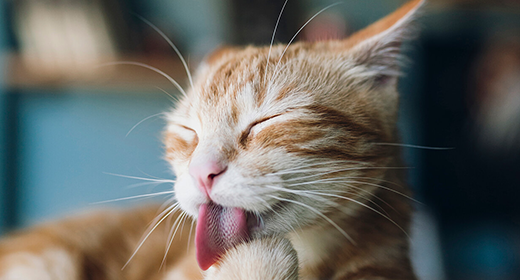
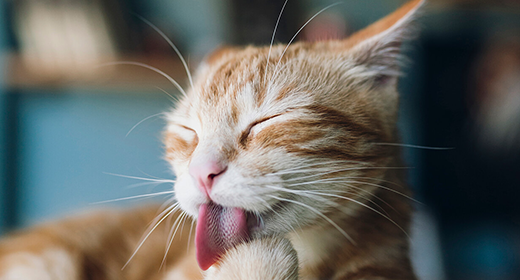
Cats love self-grooming and you will always find them licking themselves. This causes their rough tongue to pull out loose hair out of their coat and swallow it. When a large amount of coat hair accumulates in the stomach and is not easily digested, it leads to your cat throwing up a hairball. Cat hairball vomit is extremely normal and there is nothing to worry about. However, if you notice that your cat is throwing up hairballs too often, it could be a sign of gastrointestinal problems. Get it checked by your vet to be on the safer side.
Gastroenteritis is just a fancy term for an upset tummy. This can be caused due to medication side effects, dietary problems, toxins, and more. Most of the time, symptoms of gastroenteritis are mild and resolve on their own while others can be chronic and will need a professional’s attention.
Foreign bodies or obstructions: If your cat has a habit of eating or chewing on the toys it plays with, its GI tract can get blocked and can result in bouts of vomit. When vomiting is induced by a foreign material in your cat’s body, urgent help is required. It’s best to take your cat to the vet immediately and get it looked at.
Food allergies and Inflammatory Bowel Disease: Food cat allergies are not common, but some can cause your cat to vomit. If your cat eats a trigger food, it will immediately start throwing up because of the inflammation in their digestive tract. Sometimes, food allergies can also cause chronic diarrhoea.
Systemic Illnesses: Many chronic illnesses such as pancreatitis, hyperthyroidism, kidney diseases, and more can cause your cat to feel nauseous and throw up. If you notice that your cat is throwing up too much, it is best to get it looked at, so the diagnosis of the above-mentioned diseases is not delayed.
Parasites: Parasites usually cause vomiting in kittens, but it can happen to cats of all ages. Check your cat's vomit for live worms. The only good news about parasite-induced vomiting is that it is 100% curable.
Cancer: Digestive tract cancer is very common in cats. Cancer in other parts of the body can also lead to vomiting.
Cats vomit because of many reasons and the appearance of their vomit can help us get an idea about what’s bothering them. It is best to observe or take a look at your cat’s vomit so you can tell your vet about it. This will help them find out the underlying cause and treat your cat accordingly. Here are some common types of cat vomit:
Yellow vomit | If your cat is throwing up yellow vomit, it could be because of partially digested food or bile in its stomach. |
Clear vomit | Clear vomit can occur due to an empty stomach or due to the regurgitation of saliva from the oesophagus. |
White, foamy vomit | Hairball-induced vomit on an empty stomach can cause your cat’s vomit to appear white and foamy. |
Bloody vomit | Bloody vomit can be caused due to inflammation in the stomach, oesophagus, or in the upper intestines. |
Brown and smelly vomit | Brown and smelly vomit can be a sign of bleeding in your cat’s digestive tract. It could also indicate an issue with your cat’s kidney or liver. |
There are a lot of things that you can do to prevent your cat from vomiting. The best way to rule out any common causes of cats throwing up is to take care of their diet. If your feline suffers from cat allergies, ask your vet for a special diet. This can help your kitty keep chronic vomiting at bay.
Make sure that you are feeding your cat a balanced and nutritious meal and not giving it too many table scraps. Keep an eye on your cat when it is playing and do not let it eat any of its toys. Rubber, strings, and more can cause your cat to vomit. Lastly, consider over-the-counter cat hairball vomit remedies. If your cat’s coat has long hair, ask your veterinarian to prescribe some products that can help reduce or prevent hairball vomiting.
Many cat parents try to find products that they can give their cats to prevent or stop vomiting. Since there are so many reasons that can cause your cat to throw up, picking a product based on a single issue is extremely difficult. If your cat is throwing up because of organ diseases or cancer, treating the disease should be a priority. If your cat has a mild case of vomiting, your vet may prescribe antiemetic medications or antacids. For gastrointestinal issues, your cat may need to switch to a more gut-friendly diet.
Your veterinarian will decide what tests and treatments are necessary for your cat based on these aspects:
Whether it has fever, is lethargic, or is depressed?
Whether it has a good appetite or lost any weight?
Is it throwing up blood?
Is your cat in pain or is experiencing abdominal discomfort?
Are your cat’s bowels affected?
Is it vomiting too many times in a day or just right after a meal?
Does the vomit stink or have a particular colour?
Did you recently change your cat’s diet or put it on supplements?
Is your cat chewing on any toys or is it eating any other foods?
Are other cats in your house also affected?
If your cat is vomiting too much and some serious symptoms of underlying diseases are suspected, your veterinarian may suggest more tests and suggest more aggressive treatments. If your cat has lost a lot of blood or electrolytes by vomiting frequently, you may need to get it hospitalised.
Before you go on to treating your furry friend, you must know the different cat vomiting reasons:
Ingestion of a toxin from the fur is the most common cause of cat vomiting.
Cats have a proclivity for chewing on attractive house plants, which can lead to plant poisoning.
If the cat is present when its parent cleans its living space with a high-fume chemical agent, the inhalation of toxic chemicals - such as cleaning agents - can cause poisoning in cats.
If your cat skips a meal or eats later than usual, it may regurgitate the undigested food.
Another reason why cats vomit frequently is their rapid change of food. It is recommended that you transition your cat to a new diet slowly over a one to two-week period, gradually reducing the amount of current cat food while gradually increasing the quantity of new cat food.
Dietary indiscretion, pollutants, or medication side effects might cause gastric problems such as an upset stomach.
Some cases are minor and can go away on their own, but others can be serious and require medical attention from a veterinarian.
Ingestion of a foreign object, such as a string or a small toy that becomes lodged in the stomach or intestines, is a common cause of intestinal blockages in cats.
An intestinal blockage is a highly serious ailment that requires immediate attention. It can be caused by underlying health concerns such as a tumour or difficulty with intestinal movements.
Some of the common signs include your cat puking frequently or its inability to keep down water or food.
Prolonged disorders such as pancreatitis, kidney disease, and hyperthyroidism can all cause nausea and chronic vomiting in cats for numerous reasons.
Identification of the underlying ailment is required to address many causes of cat vomiting with many of these conditions requiring lifelong therapy.
One of the most prevalent feline endocrine illnesses is hyperthyroidism (sometimes known as an overworked thyroid).
Thyroid overactivity is caused by a tumour (usually benign) in the thyroid gland that pumps too much thyroid hormone into the bloodstream.
This increase in your cat's metabolism can result in your cat throwing up.
Repeated cat vomiting should never be ignored because it can lead to dehydration. But because vomiting is common in cats, how do you know what’s normal? “A general guideline is that if the cat is vomiting one to three times a month, we consider this normal,” says Dr Folger.
He considers it serious if the vomiting occurs twice daily for two or three days. If your cat stops eating, seems to have stomach pain, or retches continuously, or if the vomit is mixed with blood, take it to a veterinarian. And as always, if you’re suspicious that a lingering problem could be harmful to your pet, call your veterinarian. A visit to the office can help relieve your cat’s discomfort and your worries as well.