Enter a keyword below to search for articles and products.
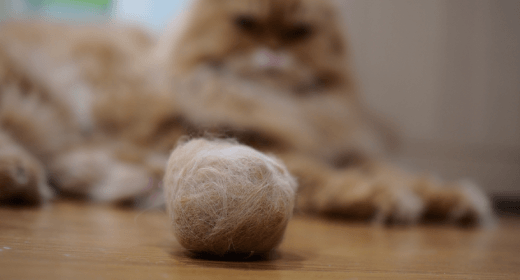
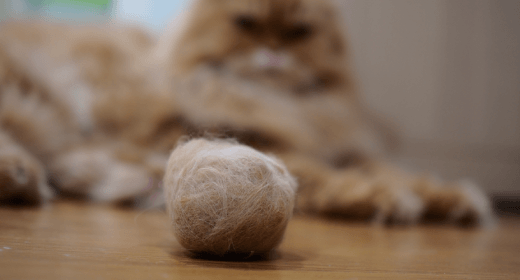
You love your cat. But the sight of watching your cat gag and cough up a hairball is anything but pleasant. Moreover, cat hairball can also cause intestinal blockages, which can lead to serious health issues for your cat.
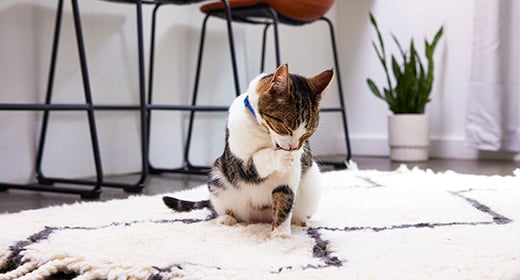
Cat furball is common, but its seriousness varies from cat to cat. Long-haired breeds, such as Maine Coons and Persians, are more susceptible to developing hairballs. Besides, hairballs are more common in cats who shed excessively or groom themselves obsessively because they swallow a lot of fur.
In fact, you may have noticed that your cat didn't have hairballs when it was younger but developed the habit as it grew older. Cats become better groomers and even better at getting rid of fur from their coats with their tongues, resulting in more hairballs for you to clean up. It is this grooming behavior that is linked with the intake of fur.
Diet can be important in hairball relief for several reasons. The fiber combination of powdered cellulose and beet pulp in IAMS™ hairball formulas help move hair through the digestive tract. IAMS research has shown that cats fed IAMS ProActive Health™ Adult Hairball Care pass 80% more hair in their feces than cats fed a leading premium dry cat food. By helping ingested hair to be passed from the digestive tract, IAMS hairball formulas help reduce the opportunities for hairballs to form. This fiber blend also includes a moderately fermentable component to promote intestinal health. High-quality, animal-based protein and fat, found in IAMS hairball formulas, provide important nutrients for skin and coat health. Maintaining skin and coat health may reduce the risk of excessive shedding, ingestion of hair from grooming, and, consequently, hairball formation.
It's important to treat your cat's lack of appetite, as even a short period of time without food can have a significant influence on your cat's health. A decrease in appetite could suggest that your cat's hairballs have caused an intestinal blockage. It can also be an indication of a range of other issues. But a loss of appetite, regardless of the underlying cause, it is a problem that must be addressed as soon as possible.
Fatigue and lethargy are also common signs of a range of health problems in cats. They can, however, arise in conjunction with intestinal clogs. If your cat appears lethargic or weak, it may have a hairball blockage and require medical attention.
Keep a watch on your cat's litter box if they are vomiting hairballs frequently. Hairballs and constipation are both signs of a hazardous blockage that should be treated by an emergency veterinarian. Constipation in cats can be fatal on its own., thereforeTherefore, this is an issue that needs to be addressed correctlyonce to ensure your cat is healthy.
This could indicate that something is extremely wrong with your cat's digestive system, especially if it happens frequently. Cats with frequent diarrhea can quickly get dehydrated, so make sure they're getting enough water. Try boosting their liquid intake with wet food until you can get them to the vet.
If your cat is getting hairballs, then you should take your cat for regular grooming. The best way to overcome cat hairball issues is by brushing or combing their fur regularly. This way, less fur will wind up in their stomach as hairballs. It will also be a fun way for you to bond with your cat.
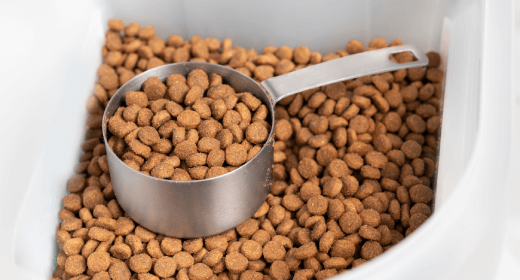
Hairball formula or cat food is another remedy to prevent cat hairball. Hairball-reduction cat diets are now available from any pet food company. These high-fiber compositions are meant to promote the health of your cat's coat, reduce shedding, and help hairballs move through the digestive tract in cats.
There are several cat hairball treatment products available on the market today. The best thing about them is that most of those laxatives are mild that aid in the easy passage of hairballs through the digestive tract.
It is natural for a cat to throw up occasional hairballs. But you should only start to be concerned if your cat is coughing out a hairball every few weeks or for more than 48 hours at a stretch. This is a symptom of too much hair ending up in the gut.
No matter how long their coat is, cats should only produce one hairball every week. Schedule an appointment with the veterinarian if your cat is vomiting hairballs more regularly or not eating.
You should feed your cat lots of prebiotics and natural fibers in its food to help it pass hairballs and maintain a healthy digestive tract. As a result, ensure that your cat is on a hairball-control diet and is getting enough fiber.
Generally, the fur travels through the gastrointestinal tract undisturbed and emerges in a stool. The digestion process takes 7 to 12 hours. Sometimes the fur can also accumulate in the stomach and create a hairball. This takes a little longer, but healthy hairballs should be gone in 24 to 48 hours.
Cat hairballs can be dangerous as they can cause severe blockages in their intestines and pose health issues later. In extreme cases, the choking can also lead to death.
Overweight cats have special nutritional needs in order to promote weight loss or weight management. Likewise, senior cats have special nutritional needs that are better met through a diet designed specifically for them. If an overweight or senior cat has problems with hairballs, feeding an IAMS hairball formula for indoor or senior (age 7+) cats is a great choice.
Yes. Mixing other foods with IAMS hairball formulas may compromise the effectiveness of this diet by diluting the nutrients that help reduce the risk of hairball formation. Switching between IAMS hairball formulas and another cat food may also decrease the benefit of feeding this diet.
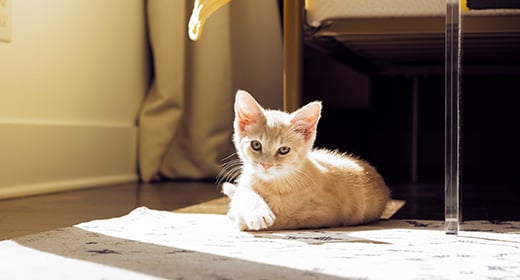
Rabies is a dangerous virus that affects the warm-blooded animal kingdom. It spreads through the bite or starch of an infected animal, making the infection easily transmissible amongst animals and humans alike. Since there is no effective rabies treatment yet, the only solution to combat this fatal virus is through vaccination. Veterinarians recommend anti-rabies vaccine for pets to protect them and their humans from this deadly virus.
Anti-rabies vaccine is one of the core vaccines for cats, in addition to the 4-in-1 cat vaccine. It helps prevent the cases of rabies in cats and kittens, contributing to the overall health of your feline friend. However, before getting your cat vaccinated with rabies injections, it is essential to know a few details about this disease and how to prevent it. So, let’s dive right into it.
The rabies virus depends on the host body for survival. As the virus cannot survive outside of the host body, it spreads through open wounds and mucous membranes in the eye, mouth, and nose. The virus transmits through the saliva of the infected animal. If a rabies carrier bites or starches your pet, then it too becomes infected with the virus. Typically, the incubation for rabies in cats ranges from a few days to a few years.
Since rabies is a deadly infection, it is imperative that you, as a cat parent, watch out for its symptoms. So, let’s take a look at a few signs of rabies in cats:
Fever
Lethargy
Low appetite
Difficulty breathing
Hypersalivation
Difficulty swallowing
Abnormal behaviour
Curing rabies is not an option post-incubation as there is no proper medication available in the market yet. Hence, keeping this fatal infection at bay is of paramount importance. And how can you do that? By ensuring that your cat is vaccinated with an anti-rabies injection.
Anti-rabies vaccine for cats is a must. Veterinarians monitor rabies shots for both indoor and outdoor cats. While there is a misconception that rabies vastly affects dogs, it can find its way to cats and other warm-blooded animals as well. Cat’s rabies vaccination prepares your indoor kitty to fight the deadly virus. Hence, do not skip on annual booster shots for both indoor and outdoor cats.
While you may think, your indoor cat is safe from the fatal disease, it is best to ensure complete healthcare for its overall well-being. Cats often socialise with outside cats by licking, sniffing, or starching each other. Indoor cats can get the rabies virus if they socialise in this manner with an infected outdoor or stray cat. Anti-rabies vaccination is the best way to avoid any remote possibility of your kitty getting infected. It builds antigens in the cat’s body, so your fur baby can tackle the rabies virus.
Various brands offer anti-rabies vaccines for cats in the market. Hence, it is best to seek a veterinarian’s advice regarding vaccination. They will take multiple factors, such as your kitty’s age, breed, and lifestyle, into consideration before recommending a brand. Similarly, when it comes to the frequency of taking the anti-rabies vaccination, it all depends on the type of vaccine recommended for your pet. If your vet recommends an adjuvant vaccine, your cat might have to be inoculated once every year. On the other hand, if they suggest a non-adjuvant vaccine, you must note that these vaccines are generally administered once in three years.
Anti-rabies vaccine is one of the core vaccinations for cats. It prepares your cat to fight the virus by boosting immunity. The first dose of the anti-rabies vaccine is administered once the kitty turns 12 weeks old. After the initial dose, depending on the type of vaccine, you will need to get your feline friend vaccinated either annually or once in three years.
As a cat parent, you must know the potential side effects of this vaccine. So, let’s take a look at them:
Low-grade fever
Lethargy
Low appetite
Swelling and redness at the injected site
Cat parents should monitor not only the anti-rabies vaccine but also other core vaccines like 4 in 1 cat vaccine, FeVac 5, and 3-in-1 cat vaccine. Regular vaccination and annual health check-ups ensure your kitty leads a healthy life. So, ascertain that you provide your fur baby with all the care it requires.