Enter a keyword below to search for articles and products.
Cats are creatures of habit and can resist diet change. It's important to completely stop feeding your cat from the table. This is best accomplished by removing the cat from the kitchen during mealtimes. Be persistent when offering dry food. Your cat may refuse to eat for several meals before deciding to give the food a try. Heating food in the microwave increases the aroma of the food and will often entice a cat to eat. Another alternative is to try mixing some wet food with the dry food, or topping it with a sauce or gravy specifically formulated for pets. Be assured that your cat eats to meet an energy need and will eventually begin to eat unless there is an underlying medical issue.
Keep in mind that your cat's stool should be small and firm. Most cases of constipation are temporary and due to dietary interruptions. Loose stools also are often temporary and can be due to dietary interruptions, as well as many other things, including an abrupt change in diet, overeating, parasites, medication, eating table scraps, viral or bacterial infections, and stress. If constipation or diarrhea persists, however, it is important to consult a veterinarian.
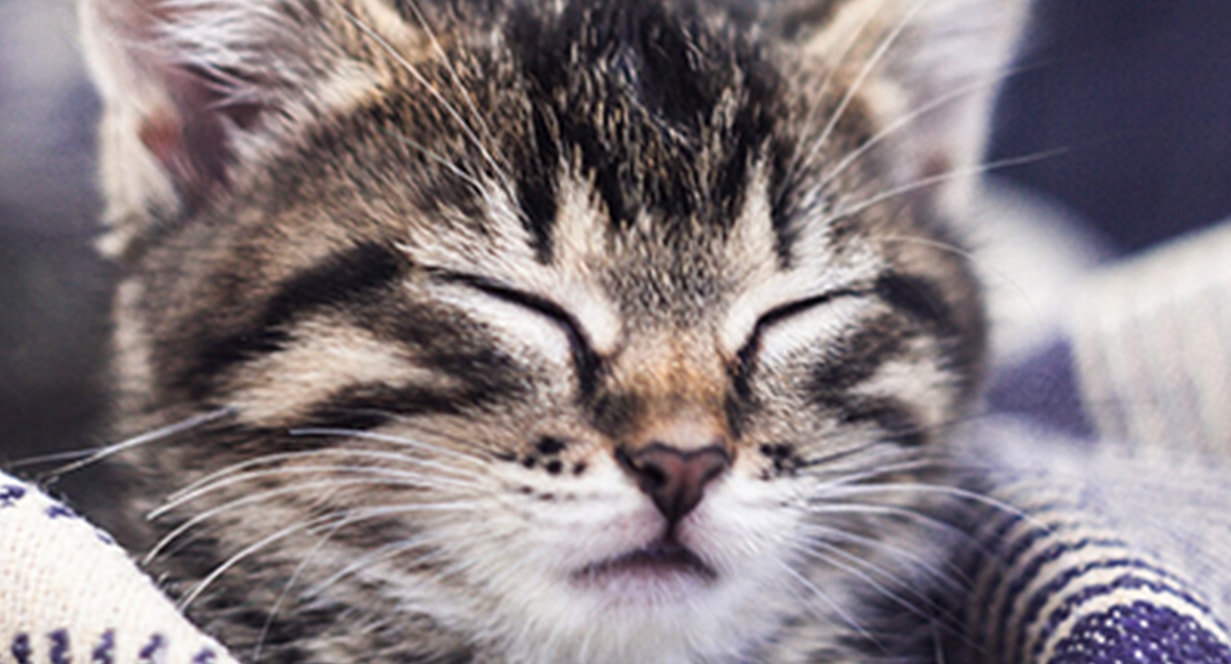
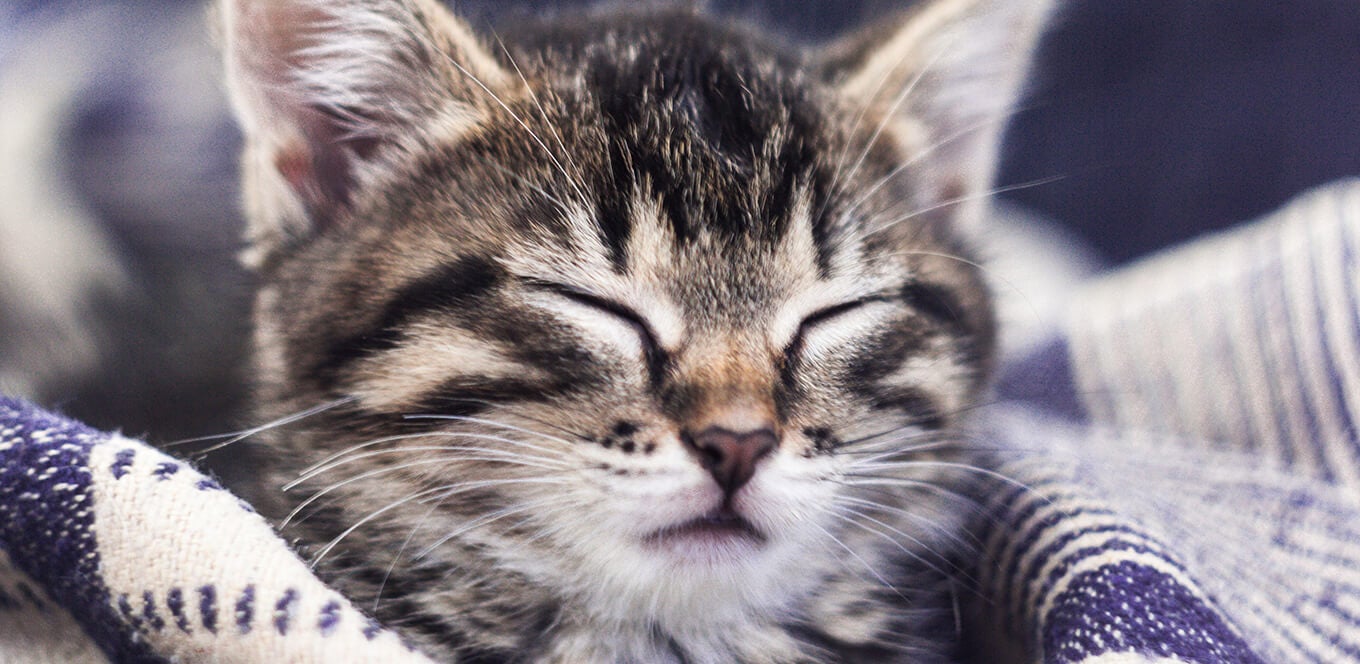
Kittens can get hairballs, although it’s not as common as in adult cats. Kittens are adept learners, and as they grow up, their grooming habits will mature as well. This could lead to hairballs, especially if your kitten has longer hair.
Most cats spend a considerable amount of time grooming their coats. As they groom, they can swallow hair, which may build up over time in their stomach. If the hairball doesn’t pass from the stomach, the cat will attempt to eliminate it by coughing or gagging.
Many cats will get a hairball at some point in life, but some kittens, such as long-haired breeds and cats that groom excessively, are especially prone to hairballs.
You can help reduce the number of hairballs your kitten or cat experiences in a few ways:
The right diet can help provide hairball relief to both kittens and cats. For instance, the beet pulp in IAMS™ dry kitten formulas helps move hair through the digestive tract.
For adult cats, IAMS research has shown that cats fed IAMS™ ProActive Health™ Hairball Care pass 80% more hair in their feces than cats fed a leading premium dry cat food. By helping ingested hair to be passed from the digestive tract, IAMS hairball formulas help reduce the opportunities for hairballs to form. This fiber blend also includes a moderately fermentable component to promote intestinal health.
Maintaining skin and coat health may reduce the risks of excessive shedding, ingestion of hair from grooming, and, consequently, hairball formation as your kitten grows into an adult cat. High-quality, animal-based protein and fat, found in IAMS kitten formulas, provide important nutrients for skin and coat health.
In cats and kittens that are prone to hairballs, frequent brushing can help reduce the amount of hair they ingest, thereby reducing the risk of hairball formation.