Enter a keyword below to search for articles and products.


How can you make sure you’re feeding your cat the right food at the right time and in the right quantities? If you’re choosing new cat food, deciding on a feeding schedule, concerned about a food-related health condition, or wondering about supplements or treats, check out our feeding guidelines for cats.
Cats are obligate carnivores, and this means that they cannot survive solely on a plant-based diet as they won’t get all the required nutrients from it. To stay healthy and survive, cats require at least 70% of the nutrients found in animal meat. So, your cat’s diet and choice of food should be prepared accordingly. To start off, you can begin by making a feeding plan for your cats to ensure they get the nutrition they require.
You can divide your cat’s daily diet into two main meals which are spaced no more than 12 hours apart. Alternatively, you can divide the food into multiple meals such as breakfast, lunch, and dinner. However, do ensure that these meals provide the cat with enough calories and other nutrients - not more or less than recommended.
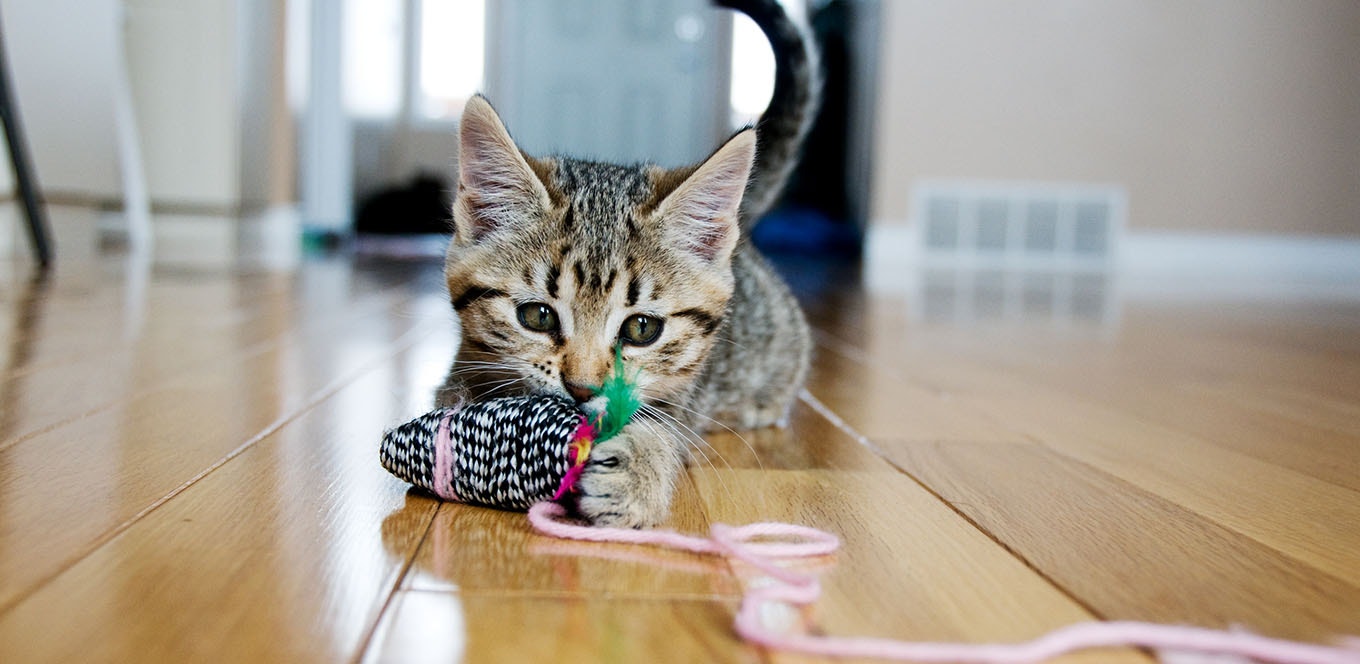
Once your cats are set on a regular feeding schedule, you will slowly begin noticing their usual feeding habits. Habits such as playing with their food, eating alone, and hoarding food are quite normal for cats. So, if you notice any of these, you don’t have to be worried. A few habits that you may have to be mindful of are:
If you notice your cat showing either of these habits, book an appointment with your vet as soon as possible.
Before making a meal plan for your cat, it is important to understand which pet food is right for them. This is because there are a few factors upon which your cat’s basic calorie and nutrient intake depend. While a vet can help you with a detailed cat feeding guide, here is a quick look at factors that you need to keep in mind.
Life stage refers to the cat’s age - is your pet a kitten, an adult or a senior cat? Cats need the most amount of calorie intake when they are young kittens for proper growth. After 10 months of age, cats can be switched to a diet consisting of adult cat food. This diet can be continued even after your feline friend crosses 11 years of age, which is when cats begin to be considered seniors.
Lifestyle refers to how active your cat normally is. Cats who stay active and agile need more calories than cats who prefer to be idle.
Life stage refers to the cat’s age - is your pet a kitten, an adult or a senior cat? Cats need the most amount of calorie intake when they are young kittens for proper growth. After 10 months of age, cats can be switched to a diet consisting of adult cat food. This diet can be continued even after your feline friend crosses 11 years of age, which is when cats begin to be considered seniors.
Body condition concerns the animal’s overall health and body weight. For a cat who is overweight, you need to prepare a diet that is low on calories. With regards to the overall health condition, if your cat is facing any kind of ailments, their food intake may change or need to be changed. Your vet will advise you on what foods your pet may need to consume or avoid. They may also suggest changes in the cat’s feeding guidelines per the animal’s unique health requirements.
Cats that are naturally larger in size need more calories than their smaller counterparts.
Spayed and neutered cats usually have reduced metabolic rates and, hence, require fewer calories. Pregnant cats will naturally need more food than other cats.
A practical guideline to follow is that kittens should be fed three times a day from weaning (three to six weeks) right up to four months of age. After four months, they should be fed twice a day. Most cats should continue to be fed twice a day throughout their life, although some pets do well with one feeding.
The amount to feed your cat depends on your pet’s age, size and activity level. Feeding guidelines, which list the daily-recommended portion, are included on all IAMS™ packages. Start feeding with this amount and adjust according to your pet’s needs. Remember to divide the portion accordingly if you feed more than once a day.
When changing your cat’s diet, it’s important to introduce the new food slowly. Start by offering your cat’s daily portion in a ratio of 25% new food to 75% old food. During the next three days, gradually increase the amount of new food and decrease the amount of old.
Once you have understood your own cats’ feeding guide based on age and other factors, it is important to figure out what kind of food to pick - wet or dry. Both these types of foods have their unique benefits, and each one can prove necessary for different stages of a cat’s life to fulfil nutritional requirements. Since each of these types of food finds its place in a cat’s feeding guidelines, let’s take a closer look.
Wet food is an excellent treat that can be fed alone or mixed with dry food. Wet food is good for cats for the following reasons:
Dry food comprises kibbles made with ingredients that are generally preferred by cats. Dry food is easier to use to feed cats and can be given with a food dispenser. This type of food also has a longer shelf life. Here are some more benefits of dry food for your feline friend.
Although our wet cat foods are nutritionally complete and balanced for a cat’s diet, it is not necessary to offer wet food at every feeding. Our dry foods are formulated with high-quality protein sources such as chicken, lamb or fish and contain all the essential nutrients pets need.
You can also consult your vet regarding your cat’s feeding guidelines, and they will make changes if necessary. Also, it is best to consult your vet before making any major changes in your cat’s meals, like adding or switching to raw food diet for cats. Your vet may conduct a nutritional evaluation of your cat to determine what food they require.
No — boredom with food is a human trait. Cats are creatures of habit and usually are content with just one food. Cats generally eat to meet their energy or nutritional needs. They have very short digestive systems, and if their diet is abruptly or constantly changed, digestive disturbances can occur. Also, constant changes can make your pet a finicky eater.
Adding water will not change the nutritional value of dry cat food. However, once moisture is added the food should be eaten relatively soon, and any uneaten portion should be discarded to avoid spoilage. Feeding your cat dry food is usually encouraged because of the benefit to your cat’s dental health.
Cats and dogs have different nutritional requirements and should not eat each other’s food. For example, cats require a much higher level of taurine in their diet. An occasional venture into each other’s bowls will not be harmful but is not recommended on a regular basis.
Our foods are nutritionally complete and balanced. Adding vitamins, minerals or oils can offset the balance the food provides. One of the benefits of feeding a high-quality product is that it has been carefully balanced in proper ratios to provide optimal nutrition, so nothing needs to be added.
Contact the IAMS Pet Care and Nutrition Specialists toll-free at 1-800-675-3849.
A cat should be fed at least two meals a day. However, do ensure that you don’t wait for more than 12 hours to feed your cat, or they might suffer from acid reflux and hunger.
A cat’s daily food requirement depends upon these factors - their age, size, activity level, body condition, health status, reproductive status, and if they prefer being indoors or outdoors. Based on these factors, you can prepare a feeding chart for your cats. You can also consult your vet for your cat’s nutritional evaluation and feeding chart.
The amount of wet food your cats should eat also depends upon their age, size, reproductive state, and activity level. An adult average-sized cat can be fed one 3-ounce can of wet food for every 3 - 3.5 pounds of their body weight, on a daily basis.
Yes, cats need to be fed daily. They can eat one large meal or a few smaller meals per day, depending upon their activity level, age, and their body type. If your cat suffers from an ailment, your vet may suggest changes in their daily feeding schedule.
A hungry cat may start meowing at a high pitch, try to lead you towards their food bowl, or sit by their food bowl and claw at it.


Providing your kitten with the proper nutrition goes way beyond just putting fresh food in a clean bowl. Your kitten’s nutritional needs will change as her body develops through adolescence. Proper nutrition during these critical growth periods will help your kitten mature into a strong, healthy adult cat. Discover four essential kitten-feeding tips you need to know in your kitten’s first year.
Learning what development milestones your kitten will experience in her first year will help you decide what and when to feed her.
After kittens are weaned, they enter a stage of rapid growth, which lasts through the sixth month of life. They need a balanced diet to deliver the nutrients and energy to sustain such rapid development.
Kittens have twice the energy needs of adult cats on a pound-per-pound basis. But their smaller mouths, teeth and stomachs limit the amount of food they can digest during a single meal. Therefore, it may be best to divide their total daily food amount into three or four smaller meals.
Because every bite must be packed with nutrition, kittens require a diet specifically formulated for growth. The best choice is a food with animal-based proteins that is highly digestible, nutrient dense and designed to meet kittens’ unique nutritional needs.
As kittens approach adult size, their nutritional requirements begin to change again. Their rate of growth begins to slow, activity levels may decline and they can start eating fewer, larger meals each day. During this stage, kittens begin to look like adults, but they are still growing and need the special nutrition found in kitten food.
The adolescent growth stage is a time when many cat owners are tempted to change a kitten’s food for variety. But cats do not get bored with a consistent diet of high-quality dry food. You can supplement your kitten’s dry food with a nutrient-dense canned food for a nutritious change of pace.
When your cat is about 12 months old, it’s time to switch to a maintenance formula adult cat food, such as IAMS™ ProActive Health™ Healthy Adult with Chicken. At this age, cats no longer need the extra calories and nutrients for growth supplied by kitten food. As with any change in a cat’s diet, remember to gradually transition from kitten food to adult food over a period of several days.
Monitor your cat’s weight and body condition during the transition, and adjust feeding portions if necessary. Because cats generally eat only what they need, free-choice feeding is fine for most cats. However, some indoor cats that don’t exercise much may overeat if fed free choice. In this situation, portion-controlled feeding twice a day is a good alternative.
Giving a kitten “human food” and table scraps can lead to undesirable behaviors, such as begging or stealing food. Feeding homemade diets or food formulated for adult cats (especially those designed for weight loss), or supplementing a complete and balanced diet with vitamins could cause nutritional disorders.
Kittens and cats are strict carnivores and need the nutrients found in meat. For example, sufficient amounts of taurine, an essential amino acid provided naturally through meat, help cats maintain healthy eyes, heart and reproduction. All IAMS kitten and cat food formulas have optimal levels of taurine for every life stage.